Q-Switch Laser technology has become a trusted solution for pigmentation and skin lesions. The EO Q-Switch ND YAG Laser HS-290A utilizes advanced Q-Switch Laser nanosecond pulse technology and multi-wavelength systems, offering precise treatment for a wide range of skin concerns. This Q-Switch Laser device effectively addresses pigmentation, tattoos, and rejuvenation needs. Recent innovations in Q-Switch Laser technology include AI integration and next-generation use cases for improved results.
| Innovation Type | Description |
|---|---|
| Nanosecond Pulse Technology | Advancements in the precision and effectiveness of Q-Switch Laser treatments. |
| Multi-Wavelength Systems | Introduction of Q-Switch Laser systems that can operate at multiple wavelengths. |
| AI Integration | Artificial intelligence for enhanced outcomes and customization in Q-Switch Laser treatments. |
| Next-Gen Use Cases | Q-Switch Laser treatments for melasma, skin tightening, and scar revision. |
Asia-Pacific now leads in growth for Q-Switch Laser devices, driven by greater awareness and rising incomes.
EO stands at the forefront of Q-Switch Laser technology, delivering reliable and effective solutions for various skin needs.
How Q-Switch Laser Technology Works
Q-Switched Laser Mechanism
Q-switched laser technology relies on a scientific principle called Q-switching. This process modulates the quality factor of the laser’s optical resonator. Energy builds up inside the laser medium and releases all at once when the Q-switch activates. The result is a high-intensity burst of laser light. These bursts are ultra-short, often lasting only nanoseconds. The short pulse delivers energy quickly, creating a powerful effect that is much stronger than continuous wave lasers.
·The pulse duration of q-switched laser devices matches the thermal relaxation time of the target. This means the heat stays confined to the pigment or lesion, reducing the risk of damage to surrounding tissue.
·The high energy in a short pulse creates a photoacoustic effect. This effect causes rapid thermal expansion and shock waves, which break up pigment particles or tattoo ink.
·Q-switched laser systems, including pico lasers, generate short, high-energy pulses in the nanosecond range. These pulses fragment pigment particles into tiny pieces, making them easier for the body to remove.
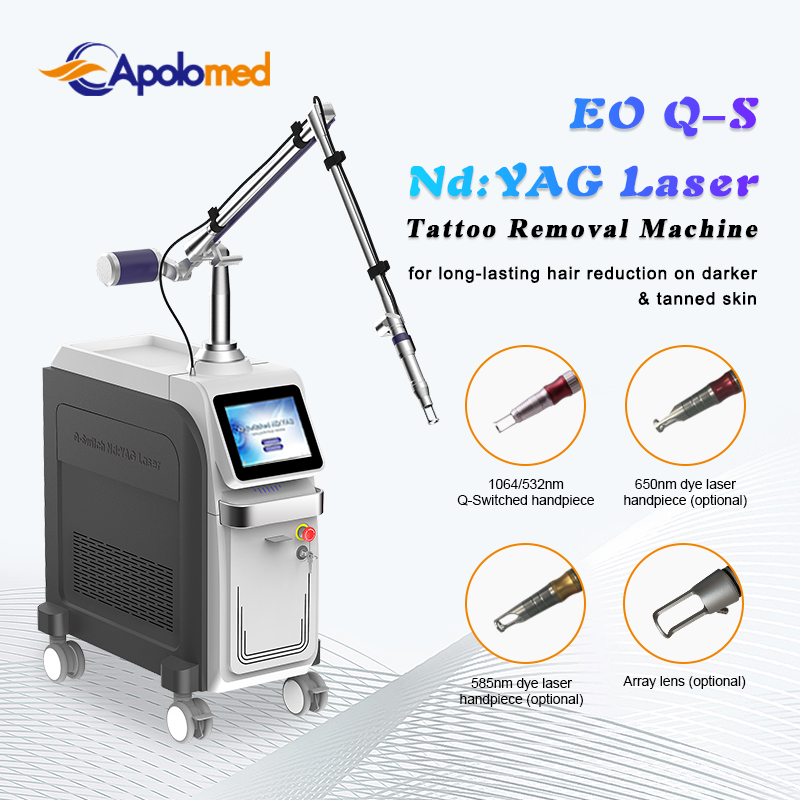
The EO Q-Switch ND YAG Laser HS-290A uses advanced technology to deliver these ultra-short pulses. It offers multiple operating modes, including Q-switched, SPT, and long pulse hair removal. The flat-top beam profile ensures even energy distribution, which improves treatment results and safety. The device’s articulated arm and touch screen interface allow for precise control and easy operation.
Selective Pigment Targeting
Q-switched laser treatments use the theory of selective photothermolysis. This theory states that laser light must be absorbed by the target pigment while avoiding surrounding structures. The short pulse duration is equal to or less than the thermal relaxation time of the pigment. This prevents collateral damage and ensures effective treatment.
·Advances in q-switched laser technology enable selective targeting of melanin. This improves the safety and effectiveness of treating pigmented lesions.
·The principle of selective photothermolysis is applied in q-switched laser treatments, achieving desired results with minimal damage to adjacent areas.
·Studies show that specific wavelengths of q-switched Nd:YAG laser can target pigmentation without causing hypopigmentation at subthreshold doses.
Pico lasers and q-switched laser systems can treat a variety of pigmentation issues, including sun spots, freckles, melasma, and birthmarks. The EO HS-290A uses specific wavelengths to target pigment in the skin, breaking it down for natural removal. The device’s multiple modes and spot sizes allow for customized treatments for different skin types and concerns.
Safety and Precision
Safety and precision are key features of q-switched laser technology. The EO Q-Switch ND YAG Laser HS-290A includes advanced cooling systems that protect the skin and enhance patient comfort. These systems use air, water, and optional TEC cooling to maintain optimal temperature during treatment.
| Mechanism | Contribution to Patient Safety and Comfort |
|---|---|
| Continuous Heat Dissipation | Provides a dynamic thermal buffer that absorbs excess heat, preventing burns and reducing pain during treatment. |
| Protecting High-Melanin Epidermis | Lowers surface temperature to prevent melanin from absorbing harmful heat, reducing the risk of thermal injury. |
| Preventing Post-Treatment Side Effects | Maintains controlled temperature to lower incidence of redness, swelling, and hyperpigmentation after treatment. |
| Elevating Patient Comfort | Acts as a localized anesthetic, numbing nerve endings and improving comfort, especially for sensitive patients. |
| Enabling Higher Energy Densities | Allows for effective hair removal at higher energy settings without compromising safety or increasing pain. |
Clinical studies show that q-switched laser devices, especially the 1064 nm Nd:YAG laser, have an excellent safety profile. Most patients experience only temporary redness, with no permanent pigment changes. Up to 90% of patients see significant improvement in pigmented lesions, especially those with darker or tanned skin. The 1064 nm wavelength minimizes the risk of epidermal injury and pigmentary alteration, making it suitable for Fitzpatrick skin types 3 to 6.
Tip: Q-switched laser treatments are safe for all skin types when performed by qualified professionals. The EO HS-290A’s advanced cooling and precision controls help ensure a comfortable and effective experience.
Pico lasers and q-switched laser systems continue to set the standard for safety, precision, and results in dermatology. The EO Q-Switch ND YAG Laser HS-290A combines these features with user-friendly design and reliable performance, making it a top choice for clinics and patients in 2026.
Pigmentation Treatment with Q-Switch Laser
Types of Pigmentation Treated
Q-switch laser technology offers a powerful solution for many pigmentation concerns. The laser uses short, high-energy pulses to break down melanin in the skin. This process helps treat a wide range of pigmentation issues. Dermatologists often use q-switch lasers for:
·Lentigines
·coffee-with-milk colored spots
·Freckles
·Dermal pigmented lesions such as Nevus of Ota and Nevus of Ito
·Hyperpigmentation from sun exposure
·Melasma
·Sun spots and age spots
·Post-inflammatory hyperpigmentation
·Tattoos
The EO Q-Switch ND YAG Laser HS-290A targets pigment clusters in the skin. It works well for freckles, sun spots, melasma, and birthmarks. The laser energy fragments the pigment, allowing the body to clear the discoloration naturally. Clinics use this device to treat freckles and sun spots, which are common in both younger and older patients. Melasma, a stubborn pigmentation disorder, responds well to the precise energy of the HS-290A. The device also helps reduce hyperpigmentation caused by inflammation or sun exposure.
Note: Q-switch lasers can treat both superficial and deep pigmentation. This versatility makes them ideal for many skin types and conditions.
Results and Expectations
Patients often ask about the results they can expect from q-switch laser treatments. The EO HS-290A delivers impressive outcomes for pigmentation removal. Most patients see visible improvement after just one session. Freckles and sun spots fade quickly, while melasma may require several treatments for optimal results. The laser’s advanced technology ensures even energy distribution, which leads to consistent results across the treatment area.
Results depend on the type and depth of pigmentation. Freckles usually lighten after one or two sessions. Sun spots and age spots respond well, with most patients noticing clearer skin within weeks. Melasma, which affects deeper layers, may need multiple sessions. The HS-290A’s cooling system keeps the skin comfortable during treatment, reducing redness and swelling. Patients with hyperpigmentation from inflammation or sun exposure also benefit from this device.·
·Results are long-lasting when patients follow aftercare instructions.
·The risk of side effects is low, especially with proper parameter selection.
·Most patients experience only mild redness, which fades quickly.
Tip: Always consult a qualified provider for the best results. The EO HS-290A’s user-friendly interface helps practitioners deliver safe and effective treatments.
Advantages Over Other Methods
Q-switch lasers offer several advantages compared to other pigmentation treatments. The 1064 nm Nd:YAG wavelength penetrates deeper into the skin, making it suitable for stubborn pigmentation disorders. Unlike IPL, which uses a broad spectrum and longer pulse duration, q-switch lasers provide targeted energy. This selectivity improves treatment efficacy and reduces the risk of unwanted side effects.
·Q-switch lasers minimize damage to surrounding skin, especially in patients with darker skin tones.
·IPL is less effective for pigmented lesions and may cause post-inflammatory hyperpigmentation.
·The EO HS-290A allows for careful parameter selection, which is important for Asian and darker skin types.
·Low-fluence settings make the laser safe for treating hyperpigmentation in sensitive areas.
Clinics prefer q-switch lasers for freckles, sun spots, melasma, and other pigmentation issues. The device’s flat-top beam profile ensures even energy delivery, which enhances results and safety. Patients with deeper discoloration, such as Nevus of Ota, benefit from the laser’s ability to reach lower layers of the skin.
| Treatment Method | Effectiveness for Pigmentation | Suitability for Darker Skin | Risk of PIH | Comfort |
|---|---|---|---|---|
| Q-Switch ND:YAG | High | Excellent | Low | High |
| IPL | Moderate | Limited | Higher | Moderate |
Callout: Q-switch laser treatments are the gold standard for pigmentation removal. The EO HS-290A combines advanced technology with patient comfort, making it a top choice for clinics in 2026.
Patients seeking clear, even skin often choose q-switch laser treatments for their proven results and safety. The EO HS-290A stands out for its versatility and reliability, helping patients achieve their desired results with minimal downtime.
Q-Switched Lasers for Skin Lesions and More
Treating Vascular and Benign Lesions
Q-switched lasers have become a trusted tool for treating a variety of skin concerns. These devices can target both vascular and benign lesions with high precision. Many dermatologists use q-switched lasers to treat conditions like telangiectasias and pigmented lesions. The laser energy focuses on melanin and blood vessels, breaking them down without harming the surrounding skin.
·Vascular malformations with smaller, superficial blood vessels respond well to q-switched lasers.
·Most patients see an average fading of 80% after eight to ten treatments.
·Q-switched lasers confine energy to melanosomes, making them effective for pigmented lesions.
·These lasers can also cause fractional photothermal destruction of dermal vasculature, which helps improve the appearance of certain vascular conditions.
This versatility makes q-switched lasers a popular choice for clinics that treat a wide range of skin issues.
Tattoo Removal and Skin Rejuvenation
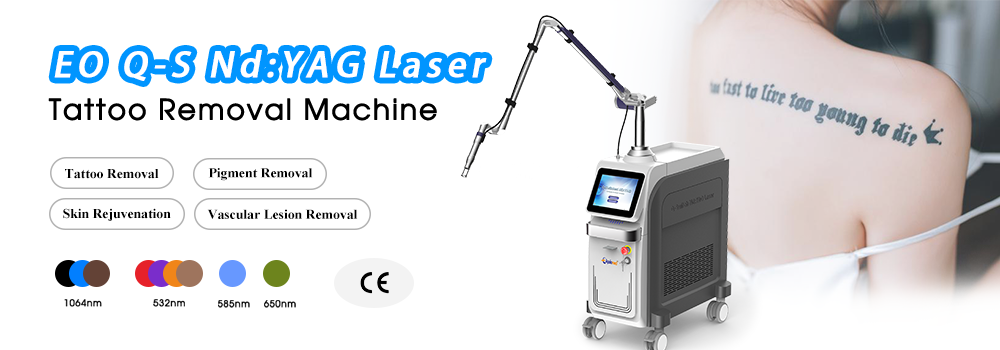
Q-switched lasers are well known for their ability to remove tattoos. The laser breaks down tattoo pigments into tiny particles, which the body then clears away. Complete removal of tattoos can be challenging, but most patients see a significant reduction in pigment. Professional tattoos may require eight or more sessions, while amateur tattoos often need fewer treatments. On average, about 75% of the pigment in professional tattoos can be diminished.
Q-switched lasers also play a role in skin rejuvenation. The laser energy stimulates collagen production and helps reduce wrinkles and acne scars. Patients notice smoother, clearer skin after a series of treatments.
Note: Q-switched lasers can treat both tattoos and skin rejuvenation needs, making them a valuable tool for modern dermatology.
Why Choose EO HS-290A
The EO Q-Switch ND YAG Laser HS-290A stands out for its multiple operating modes and user-friendly features. The device offers Q-switched, SPT, and long pulse hair removal modes, allowing clinics to address a variety of skin concerns. The flat-top beam profile ensures even energy delivery, which improves safety and results. The advanced cooling system keeps patients comfortable during procedures.
Clinics trust the EO HS-290A for its reliability and consistent performance. The touch screen interface and articulated arm make treatments easy to perform. Patients benefit from safe, effective care and minimal downtime.
Safety, Suitability, and Patient Experience
Latest Protocols and Advancements
Regulatory bodies have updated safety standards for q-switched laser treatments. These standards now require enhanced protective eyewear and advanced beam enclosures. Technology developers and industry stakeholders work together with agencies to create flexible regulations. This collaboration helps clinics adopt new safety features quickly. Global standardization ensures uniform safety practices for clinics in different countries.
Ongoing education and training are essential. Many clinics use virtual reality and augmented reality for immersive training. These tools simulate hazardous scenarios, allowing staff to practice responses in a safe environment. This approach improves patient safety and supports personalized treatment plans.
Suitability for All Skin Types
Q-switched lasers are suitable for all skin types, including darker skin tones. The 1064 nm Nd:YAG wavelength treats deeper lesions and severe photo-damaged skin. Clinics use low-fluence settings to minimize the risk of post-inflammatory hyperpigmentation. Traditional lasers often cause pigment changes in darker skin, but q-switched lasers reduce this risk.
·Q-switched lasers remove benign pigmented lesions in fewer sessions.
·The 1064 nm wavelength is effective for Fitzpatrick skin types IV-VI.
·Low-fluence treatments help maintain natural skin tone and improve skin appearance.
Patients with different treatment goals benefit from the versatility of q-switched lasers. Clinics can tailor personalized treatment plans for each patient, ensuring optimal results and minimal downtime.
Treatment Process and Recovery
The treatment process begins with a consultation. Patients discuss their skin concerns and treatment goals. Preparation includes avoiding sun exposure for two weeks and stopping certain skincare products. Sessions last 15 to 45 minutes. Protective eyewear is provided, and a topical anesthetic may be used. Patients feel a mild snapping sensation during treatment.
Aftercare is important for recovery. Patients may experience temporary redness and mild swelling. Sunscreen application and gentle skincare routines are recommended. Patients should avoid harsh products and activities for several days. Most see an immediate glow and smoother skin texture. Pigment may darken and flake before fading. Results improve over weeks, with best outcomes after 4-6 sessions spaced 3-4 weeks apart.
| Condition | Recommended Sessions | Interval Between Sessions |
|---|---|---|
| Melasma | 5 | 4–6 weeks |
| Laser Toning | 8–10 | Weekly |
Aftercare tips include avoiding touching or scratching the treated area, applying a cold compress, and using prescribed ointments. Patients should keep the area clean, avoid hot tubs and strenuous activities, and apply high-SPF sunscreen daily. Sun exposure should be avoided for at least four weeks. Monitoring for excessive redness or swelling is important.
Clinics using the EO Q-Switch ND YAG Laser HS-290A prioritize patient comfort and satisfaction. Personalized treatment plans, advanced safety protocols, and minimal downtime help patients achieve their treatment goals with confidence.
The EO Q-Switch ND YAG Laser HS-290A stands out as a leading solution for pigmentation and skin lesions in 2026. Dermatologists value its versatility for treating tattoos, pigmented lesions, and skin rejuvenation. The device delivers precise results with minimal downtime.
·Adverse reaction rates remain low, with no hypopigmentation reported.
·Most side effects, such as mild redness or itching, resolve within a week.
Consult a qualified professional to discover how EO solutions can help you achieve healthier, clearer skin.
FAQ
What skin concerns can the EO Q-Switch ND YAG Laser HS-290A treat?
The EO HS-290A treats pigmentation, tattoos, vascular lesions, and helps with skin rejuvenation. It works on freckles, sun spots, melasma, birthmarks, and acne scars. The device is also effective for hair removal on darker skin.
Is Q-switch laser treatment safe for all skin types?
Yes, Q-switch lasers are safe for all skin types, including darker and tanned skin. The EO HS-290A uses advanced cooling and precise energy control to protect the skin and reduce side effects.
How many sessions are needed for visible results?
Most patients see improvement after one to three sessions. Deep pigmentation or tattoos may need more treatments. Your provider will recommend a plan based on your skin concern.
Tip: Following aftercare instructions helps you achieve the best results.
Does Q-switch laser treatment hurt?
Patients usually feel a mild snapping or tingling sensation. The EO HS-290A’s cooling system increases comfort during the procedure. Most people tolerate the treatment well.
What should I do after a Q-switch laser session?
Keep the treated area clean and protected from the sun. Use gentle skincare and apply sunscreen daily. Avoid picking or scratching the skin. Redness or swelling usually fades within a few days.
Post time: Jun-04-2026


