The best vertical ipl shr machine is not the most expensive one. It balances high fluence, a uniform spot size, and dual cooling with verified safety certifications. This guide filters technical jargon and marketing hype. Buyers often compare dozens of models with confusing specs. That frustration ends here. A professional ipl machine must deliver visible results and strong ROI. This article presents a 5-step framework covering technology, safety, ergonomics, costs, and manufacturer support. Each step evaluates performance and applications. A well-chosen laser hair removal machine becomes an indispensable asset. It boosts client satisfaction and clinic revenue. Professional laser hair removal requires reliable equipment. This laser, with diode technology, offers effective results. Safety features protect diverse skin tones. High-quality treatments depend on proper training and energy control. The right platform ensures consistent results.
Why Choose a Vertical IPL SHR for Your Clinic
Ergonomics and Workflow Efficiency
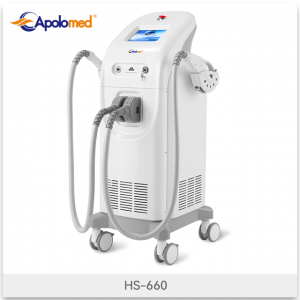
A vertical ipl shr device transforms the clinic layout. Its upright design saves floor space. Practitioners move around the unit with ease. The ergonomic shape reduces back fatigue during long sessions. This design improves focus and precision for each laser application. The platform supports high-quality treatments through consistent energy delivery.
Treatment speed receives a major boost from this equipment. The HR handpiece features a large spot size of 15*50mm. This ipl handpiece covers more skin surface per pulse. A full-leg treatment takes under thirty minutes. The professional ipl machine uses an in-motion sliding technique. Multiple low-power pulses heat the hair gradually. This shr approach eliminates the need for stationary shots. Clinics serve more clients each day through professional hair removal. The removal process becomes streamlined and repeatable. The diode laser targets the hair follicle with precision. Advanced diode technology ensures consistent output. Reliable performance creates predictable outcomes across every session. Safety remains a priority with dual cooling systems that protect diverse skin tones.
Client Comfort and Accessibility
Client comfort starts with the treatment experience. The sliding technique feels gentle on the skin. Large spot sizes minimize session duration. Clients appreciate shorter appointments for legs and arms. The upright design reaches all body angles for superior accessibility. This approach improves treatment quality and client satisfaction.
Safety features include dual cooling systems. The sapphire tip maintains a low skin temperature. Contact cooling adds another layer of protection. Clients report minimal discomfort during sessions. This comfort builds trust and repeat bookings. Visible results appear after several sessions for any clinic using this laser hair removal machine. Among professional hair removal devices, this laser hair removal machine excels. The diode module ensures precision during each pulse.
The laser technology adapts to various applications. Skin rejuvenation shares this platform. Training covers both procedures thoroughly. Energy levels adjust for different areas. Costs stay manageable with long lamp life. Professional laser hair removal becomes a profitable service. Practitioners gain confidence with each successful session. Effective results from this laser attract new clients. The laser diode delivers consistent output. This machine becomes a clinic favorite for its balanced design and practical performance.
SHR vs. Traditional IPL: What's the Difference?
How SHR Technology Works
Traditional IPL systems deliver one high-energy pulse to the skin surface. This single burst attempts to destroy hair follicles instantly. The approach creates sharp thermal spikes that can cause discomfort and complications. SHR technology takes a fundamentally different path. Super Hair Removal uses rapid, low-energy pulses that penetrate the dermal layer. Each pulse gently elevates tissue temperature by a small increment. The handpiece slides continuously across the treatment area during the session. This in-motion sweeping technique distributes energy evenly across the skin.
The cumulative effect distinguishes this laser approach from conventional methods. Repeated exposure progressively heats hair follicles to a destructive threshold. The total thermal energy required for follicle damage spreads across multiple pulses emitted in rapid succession. This gradual heating prevents localized overheating while maintaining consistent pulse energy. Surrounding skin remains protected from thermal damage throughout the process. The diode laser within this professional ipl machine delivers precise, controlled output. Dynamic Pulsed Light (DPL) exists as another variant in the market. However, SHR remains the preferred choice for professional hair removal due to its comfort and efficacy. This platform delivers visible results without the sharp pain associated with traditional systems.
Why SHR is Safer for Diverse Skin Tones
Skin pigmentation determines how much light energy absorbs into the epidermis. Darker skin contains more melanin, which competes with hair follicles for light absorption. Traditional IPL's single high-energy pulse poses significant risks for these clients. The intense burst can cause burns, hyperpigmentation, or scarring. SHR's low-energy approach offers superior safety features for diverse skin tones. The gradual temperature rise never reaches dangerous peaks. This laser hair removal machine protects the epidermis while still targeting follicles effectively.
Clinical evidence supports this safety profile. The continuous motion ensures even energy distribution across varied skin surfaces. Practitioners can treat clients with Fitzpatrick skin types IV through VI with confidence. This professional laser hair removal platform reduces complications while maintaining treatment efficacy. The machine's design prioritizes safety without sacrificing performance. Clients experience minimal discomfort during sessions. This comfort encourages treatment completion and repeat visits. High-quality treatments become possible for a broader demographic. The laser technology adapts to individual skin characteristics through adjustable energy settings. Training covers proper parameter selection for different skin types. This knowledge empowers practitioners to deliver safe, effective care. The removal process becomes accessible to more clients seeking smooth skin. Costs remain reasonable given the expanded client base this capability attracts. Applications extend beyond hair removal to include skin rejuvenation treatments. This versatility makes the platform a valuable clinic investment. The diode technology ensures reliable, consistent output session after session. Practitioners trust this machine for predictable results across diverse populations.
Key Technical Specs for Effective Treatment
Wavelength and Filtering for Safety
The wavelength range determines which skin structures absorb the light energy. A professional ipl machine for hair removal operates within a specific spectrum. The SHR mode on this platform uses a wavelength range of 650-950nm. This narrow band targets melanin inside the hair follicle while bypassing competing chromophores in the epidermis. Shorter wavelengths scatter more readily and absorb into superficial skin layers. That absorption increases burn risk without adding treatment benefit.
Narrowband filtering reduces the risk of superficial skin injury by excluding shorter wavelengths that epidermal melanin absorbs readily. This filtering approach protects diverse skin tones during each session. The broader IPL spectrum spans 420-1200nm. That wider range allows versatility for skin rejuvenation treatments. Practitioners can switch between modes depending on the application.
The fused silica IPL filter blocks UV wavelengths and transmits only the useful range of 400-1200nm for removal procedures. This filter achieves an average transmission greater than 90 percent in the pass band. In the rejection band, which covers 300-400nm UV and wavelengths beyond 1200nm infrared, transmission stays at or below 0.5 percent. These safety features ensure harmful radiation never reaches the client's skin. The diode laser within this system delivers consistent output across the treatment window. Deep UV blocking capability prevents harmful ultraviolet transmission during every pulse. For hair removal specifically, filters in the 600-900nm range block infrared wavelengths beyond 900nm while still targeting follicle melanin effectively.
Fluence, Spot Size, and Pulse Width
Fluence measures energy density delivered per square centimeter. Spot size determines how much skin surface each pulse covers. Pulse width controls how long that energy remains active. Together, these three parameters define treatment effectiveness and patient comfort.
The table below outlines minimum specifications for effective SHR treatments:
| Parameter | Minimum Specification for SHR |
|---|---|
| Fluence | 8 J/cm² (low-fluence range: 8–16 J/cm²) |
| Spot size | 15×15 mm (advanced systems up to 22×35 mm) |
These values connect directly to the glide and sweep technique. Continuous movement with a large spot size and low fluence delivers cumulative heating for deep penetration while protecting the epidermis. A minimum fluence of 17 J/cm² becomes necessary to destroy follicles during the anagen phase. The recommended range extends from 17 to 40 J/cm² for optimal destruction. Spot size also matters for energy delivery. A minimum diameter of 10mm reduces lateral photon scattering significantly. The recommended range spans 10-20mm for deeper, more uniform energy distribution.
This laser hair removal machine features a spot size of 15×50mm on its handpiece. That elongated shape covers large surface areas rapidly. Practitioners complete full-leg treatments in under thirty minutes. The larger spot size also improves energy penetration depth. Photons scatter less laterally when the treatment window expands. More energy reaches the follicle bulb where destruction occurs.
Adjustable fluence settings give practitioners control over treatment intensity. Delicate areas like the upper lip require lower energy levels. Thick, coarse hair on legs or back responds better to higher settings. The machine allows adjustments from 5 to 25 J/cm² across its operating range. Pulse width settings complement fluence adjustments. Shorter pulse widths confine energy to the follicle target. Longer pulse widths allow gradual heating for sensitive skin types.
Professional laser hair removal demands precision across all three parameters. The diode module delivers consistent output regardless of the selected settings. This stability ensures predictable results session after session. Practitioners gain confidence knowing the platform responds accurately to their adjustments. Training covers proper parameter selection for different body areas and hair types. This knowledge translates directly into better outcomes for clients. The removal process becomes repeatable and reliable. Costs remain controlled through efficient energy usage and long lamp life. Visible results appear after several sessions, confirming the machine's performance. This professional hair removal equipment earns its place as a clinic workhorse through technical excellence.
Cooling Systems: Ensuring Painless Sessions
Sapphire Tip vs. Contact Cooling
The cooling system determines how comfortable a session feels. Sapphire tip cooling uses a chilled crystal window that contacts the skin directly. This tip maintains a consistently low temperature at the treatment surface. The sapphire material conducts cold efficiently. It keeps the epidermis cool even as the laser delivers pulses beneath it. Contact cooling, by contrast, uses a cooled plate or roller that presses against the skin. This method lowers surface temperature but does not maintain the same precision as a sapphire tip. The difference matters during extended treatments. A sapphire tip holds its temperature steadily. Contact cooling may warm up over time, reducing its protective effect.
The choice between these systems affects the overall treatment experience. A professional ipl machine with sapphire cooling delivers more consistent comfort. The chilled tip soothes the skin with each pass. Clients feel less heat and less sting during the removal process. This comfort encourages them to complete full sessions without breaks. The laser hair removal machine operates more efficiently when clients remain relaxed and still. Practitioners can maintain a steady rhythm across the treatment area. This steady pace improves the results of each session. The diode technology works best when the skin stays cool and the client stays comfortable.
Protecting the Epidermis During Treatment
The epidermis needs protection during every pulse. Laser energy targets hair follicles deep in the dermis. However, the light must pass through the upper skin layers first. Without proper cooling, this energy can damage the epidermis. Burns, redness, and hyperpigmentation become real risks. A robust cooling system prevents these complications. It draws heat away from the skin surface continuously. The epidermis stays below the threshold for thermal damage. This protection allows practitioners to use effective energy levels without compromising safety.
A dual-cooling system represents the gold standard for professional hair removal. This approach combines sapphire tip cooling with contact cooling. The sapphire tip provides intense, localized chilling at the exact point of treatment. The contact cooling element maintains a lower baseline temperature across the broader treatment area. Together, these safety features create a comprehensive thermal management platform. The skin remains protected from the first pulse to the last. This dual approach also enhances the safety features for diverse skin tones. Darker skin absorbs more light energy. The extra cooling compensates for this increased absorption. The shr mode delivers its rapid pulses while the cooling system manages surface temperature. This balance between energy delivery and thermal protection defines high-quality treatment. The machine's performance improves because practitioners can focus on technique rather than worrying about burns. Training covers proper cooling settings for different body areas. These applications of cooling technology make the platform versatile and reliable. Costs remain controlled because the cooling system reduces the risk of complications that require corrective treatments. The laser operates at optimal efficiency when thermal management works correctly. This professional laser hair removal equipment protects clients while delivering visible results. The diode module and cooling system work together as one integrated unit. Every session becomes safer, more comfortable, and more effective. This combination builds client trust and encourages repeat visits. The removal process becomes a pleasant experience rather than an ordeal. Clients leave with smooth skin and positive memories of their treatment. That positive experience drives referrals and grows the clinic's reputation. The investment in a quality cooling system pays dividends through client satisfaction and consistent bookings.
Regulatory Compliance and Clinical Evidence
Verifying FDA Clearance and Certifications
Every professional laser hair removal device sold in the United States must receive FDA clearance. This process differs from FDA approval. Clearance means the manufacturer proves the device is substantially equivalent to a legally marketed device. Laser hair removal machines fall under Class II medical devices. They require a valid 510(k) number for commercial distribution. Clinics should never accept marketing claims alone.
Demand specific documentation from the supplier. Request the official FDA 510(k) clearance letter. Ask for the device name, manufacturer name, and product code. Verify the K number against the FDA's 510(k) Premarket Notification database. For European devices, check the Notified Body number against the NANDO database. These verification steps protect the clinic from counterfeit or non-compliant equipment.
Red flags indicate potential problems. Suppliers marketing devices as FDA Approved instead of FDA Cleared raise suspicion. Inconsistent technical specifications or missing serial numbers suggest trouble. Do not rely solely on certificate images or marketplace claims.
FDA 510(k) clearance does not mean that every model, accessory, treatment setting, marketing claim, or distributor listing is independently FDA approved. For professional buyers, the key is to verify the exact device model, manufacturer, 510(k) number, intended use, labeling, and configuration before purchasing. Before placing an order, request documents that correspond to the exact machine configuration you intend to purchase. Do not rely solely on certificate images, marketplace claims, or general marketing statements. Request the 510(k) number, clearance letter or official record, device name, manufacturer name, product code, and cleared intended use.
Consequences of non-compliance carry serious weight. Using a non-cleared device can lead to customs seizures. Malpractice insurance claims face denial. State operating licenses risk revocation. These outcomes make verification a non-negotiable step for any clinic.
Reviewing Published Safety Data
Safety data supports the claims manufacturers make about their equipment. Ask for clinical study results that demonstrate efficacy and a low side-effect profile. Published studies provide evidence that the platform performs as intended. They also confirm the safety features protect diverse skin tones during treatment.
Examine the study parameters carefully. Look for data on hair reduction rates across multiple sessions. Check the reported side-effect incidence. Studies should include participants with various Fitzpatrick skin types. This information confirms the ipl or shr technology works safely on the clinic's target population.
The removal process relies on controlled energy delivery. Published data validates that the diode systems achieve consistent performance. Training programs incorporate these findings into their protocols. Costs benefit from predictable outcomes with fewer complication-related expenses.
A reputable manufacturer provides this information willingly. They understand that informed buyers make confident decisions. Clinical evidence transforms marketing promises into verifiable facts. Practitioners gain trust in the equipment and its applications. This trust translates into better results and higher client satisfaction.
Evaluating a Laser Hair Removal Machine's Build Quality
Lamp Life and Maintenance Costs
The lamp represents the heart of any ipl system. Its lifespan directly determines long-term operating expenses. A professional laser hair removal machine with a lamp life of 500,000 or more shots suits high-volume hair removal clinics perfectly. Each pulse gradually degrades the flash lamp. Eventually, the operator must replace the entire handpiece or cartridge. Understanding this replacement cycle helps clinics budget accurately.
Practitioners should ask suppliers for exact lamp specifications before purchasing. They need the expected shot count under normal operating conditions. They also need the replacement part price. Some manufacturers bundle lamp replacement with routine maintenance packages. Others charge separately for each component. This difference affects the total cost of ownership significantly. A slightly more expensive machine with a longer lamp life often proves cheaper over five years than a budget model requiring annual replacements.
Ease of Use and Portability
Daily operation demands a user-friendly interface. An 8-inch LCD touchscreen allows real-time adjustments during treatment sessions. Practitioners change energy settings without interrupting their workflow. Smart interfaces simplify operation for new staff members. Multi-language support accommodates diverse teams. These features reduce training time and minimize operator errors.
Portability matters for clinics with multiple treatment rooms. Compact designs fit into limited spaces. Mobile units move easily between rooms on casters. This flexibility allows practitioners to offer treatments wherever space permits. A stable frame prevents wobbling during intense sessions. Quiet operation keeps the environment calm for clients. Ergonomic handpieces reduce operator fatigue during long procedures.
The shr mode requires smooth, continuous motion across the skin. A lightweight handpiece enables this technique without wrist strain. The laser hair removal machine should balance power with maneuverability. Heavy units tire operators quickly. Lightweight designs sacrifice stability. The best platforms find a middle ground. They offer enough mass for steady operation while remaining easy to position.
Safety features also affect usability. Clear indicators show when the system is ready to fire. Emergency stop buttons provide immediate shutdown capability. Visual and audible signals confirm each pulse. These elements protect both operator and client during every session. The ipl handpiece connects securely to the main unit. Cables remain out of the way during treatments. This thoughtful design reduces clutter and prevents accidents.
A quality machine delivers consistent results across hundreds of sessions. Its performance does not degrade noticeably over time. The laser maintains its specified output throughout the lamp's lifespan. This reliability builds client trust and encourages repeat bookings. Practitioners focus on technique rather than troubleshooting equipment problems. The removal process becomes routine and predictable. Applications extend beyond hair removal to skin rejuvenation. This versatility increases the platform's value. Training covers all these functions thoroughly. Operators gain confidence quickly with an intuitive interface. The machine becomes a dependable partner in daily practice. Its build quality determines how long it serves the clinic effectively.
Calculating ROI for Professional Hair Removal Services
Upfront Cost vs. Per-Treatment Cost
The purchase price of a laser hair removal machine represents only the first financial consideration. Smart clinic owners calculate the true cost per treatment session. This figure includes the machine's depreciation, lamp replacement expenses, consumables, and operator time. A budget model with a short lamp life often costs more per session than a premium platform with extended durability.
The monthly profit formula guides this evaluation: (Revenue per treatment - Cost per treatment) x Number of treatments per week - Monthly maintenance cost = Monthly profit. For example, a clinic charging \$150 per session with a \$15 per-treatment cost earns \$135 per session. Twenty treatments weekly generate \$2,700 before maintenance expenses. A reliable ipl system with a 500,000-shot lamp life spreads its replacement cost across thousands of sessions. This approach lowers the per-treatment cost dramatically compared to machines requiring frequent cartridge changes.
Practitioners should compare the total cost of ownership over five years. This analysis reveals which professional hair removal equipment delivers the best long-term value. The diode module's longevity directly impacts this calculation. A stable laser platform reduces unexpected downtime and keeps revenue flowing consistently. Training costs also factor into the equation. A user-friendly interface shortens the learning curve for new staff members. This efficiency translates into faster service and higher client throughput.
Maximizing Throughput with High-Speed Modes
Treatment speed directly influences how many clients a clinic serves daily. A vertical ipl shr unit with a 3-4 Hz repetition rate completes sessions in half the time of slower systems. This shr mode delivers rapid pulses while the handpiece glides across the skin. Full-leg treatments finish in under thirty minutes. This speed allows practitioners to book more appointments within the same working hours.
The removal process benefits from this efficiency in multiple ways. Faster sessions reduce chair occupancy time. Clients appreciate shorter visits that fit into busy schedules. The laser hair removal machine operates at peak utilization throughout the day. This consistent workflow maximizes the return on the initial investment. The diode technology maintains its performance even at high repetition rates. Energy output remains stable pulse after pulse. This reliability ensures consistent results across every client session.
High-speed modes also improve the client experience. Less time under the handpiece means less opportunity for discomfort. The dual cooling system manages skin temperature effectively even during rapid pulsing. Safety features remain fully active at maximum speed. This combination of speed and protection makes the platform ideal for busy clinics. The ipl applications extend beyond hair removal to skin rejuvenation treatments. Each service line adds another revenue stream. The machine's versatility amplifies its contribution to monthly profits. Practitioners who master the high-speed settings deliver more treatments with the same effort. This productivity boost transforms the laser into a true profit center.
Brand Support and After-Sales Service
The relationship with the manufacturer does not end at the purchase. A vertical IPL SHR machine requires ongoing support. Clinics need access to service, parts, and expertise. A responsive manufacturer protects the investment. Apolomed exemplifies this commitment. The company provides comprehensive training, software updates, and responsive technical support. This level of service keeps the laser hair removal machine operating at peak performance. The diode laser delivers consistent output. Practitioners trust a platform that receives regular updates and prompt assistance. The removal process depends on consistent energy delivery. Reliable support ensures that consistency never wavers.
The Importance of Local Service Centers
Downtime directly impacts clinic revenue. A machine that sits idle loses money. Every day without operation represents lost treatment opportunities. A local service center minimizes this risk. Technicians arrive quickly to diagnose and repair issues. They hold spare parts in stock nearby. This proximity reduces repair time from weeks to days. Apolomed maintains local service centers for this reason. Clinics receive prompt attention when problems arise. The hair removal device returns to service quickly. Practitioners maintain their schedules without disruption. This support builds confidence in the platform. Owners know help stands ready when needed. The investment in professional hair removal equipment becomes more secure. A manufacturer with local presence demonstrates commitment to long-term partnerships. The ipl system requires periodic maintenance. Local technicians perform this work efficiently. They understand the diode laser technology intimately. This expertise keeps the equipment running smoothly. Treatment safety improves with regular professional care. The ipl handpiece delivers controlled energy.
Training, Warranty, and Software Updates
Comprehensive training transforms a machine into a reliable tool. Apolomed's program covers safe operation and understanding skin typing. Practitioners learn to select treatment parameters like fluence and pulse duration. They perform test spots and handle the handpiece correctly. Maintenance of the water cooling system extends the ipl life. Troubleshooting common operational errors prevents unnecessary service calls. This technical training empowers staff to deliver consistent results. The removal process becomes efficient and repeatable. Practitioners gain confidence with each session. They achieve visible results that satisfy clients. The diode module in the handpiece requires proper care.
Warranty terms deserve careful review. Most professional hair removal devices carry a standard warranty of 12 to 24 months. The system includes coverage for the main console, laser source, power supply, and control board. Consumables like the handpiece or flashlamps do not fall under this protection. A minimum of 12 months for parts and labor represents industry standard. Clinics should verify these terms before purchase. They should also confirm spare part availability. A device that requires hard-to-find components creates operational risk. The diode module warranty often covers longer periods.
Software updates keep the platform current. Manufacturers release updates that improve performance and add new applications. Apolomed provides these updates as part of its service package. The diode system benefits from continuous improvement. Energy delivery becomes more precise over time. Safety features receive enhancements. The laser hair removal machine stays relevant in a changing market. Regular updates extend the useful life of the equipment. This long-term support reduces total ownership costs. The equipment remains a valuable clinic asset for years. The laser technology adapts to evolving needs.
The ideal vertical ipl shr combines a 650-950nm filter, a 15x50mm spot size, dual cooling, and FDA clearance. A cheaper laser hair removal machine often costs more through downtime and poor results. This platform protects the clinic's reputation for safe, effective outcomes. The diode laser delivers consistent energy with each pulse. Practitioners should shortlist three hair removal devices that meet these technical standards. They should request live demos to test ergonomics and noise levels. The right laser produces visible results across diverse skin tones. This removal equipment maximizes performance and client satisfaction. A quality machine works as hard as the team operating it. Choose a machine that works as hard as you do, and it will become your clinic's best friend for years to come.
FAQ
How Many Sessions Does a Client Need for Visible Results?
Most clients see noticeable hair reduction after three to five sessions. The exact number depends on hair thickness, skin tone, and treatment area. The laser hair removal machine delivers cumulative effects. Each session weakens the follicle further. Full results typically appear after six to eight treatments. The diode laser targets follicles during their active growth phase.
Does the Treatment Work on All Skin Types?
Yes, the vertical ipl shr platform handles diverse skin tones safely. The 650-950nm wavelength range bypasses epidermal melanin. The dual cooling system protects the surface during every pulse. This laser technology suits Fitzpatrick skin types I through VI. Practitioners adjust fluence settings based on individual client characteristics. The removal process remains comfortable and effective across populations.
What Maintenance Does the Machine Require?
The laser hair removal machine needs minimal daily upkeep. Operators clean the sapphire tip after each client. They check the water cooling system weekly. The diode module operates reliably for hundreds of thousands of shots. Replacement handpieces cost between \$500 and \$2,500 depending on the model. Regular professional servicing extends the platform's lifespan significantly.
How Quickly Can a New Operator Learn the System?
Most practitioners master the vertical ipl shr within one training session. The 8-inch LCD touchscreen simplifies parameter selection. Manufacturers like Apolomed provide comprehensive onboarding programs. New staff members typically perform supervised treatments after two days. The intuitive interface reduces errors and builds confidence quickly. This laser equipment supports consistent treatment effectiveness from the first week.
What Safety Certifications Should Buyers Verify?
Buyers must confirm FDA 510(k) clearance before purchasing any professional device. European clinics should check CE certification through the NANDO database. The laser hair removal machine should include documented clinical study results. These safety features protect both clients and practitioners during every session. A reputable manufacturer provides all documentation willingly. This verification process ensures the platform meets regulatory standards.
Post time: Sep-11-2026


