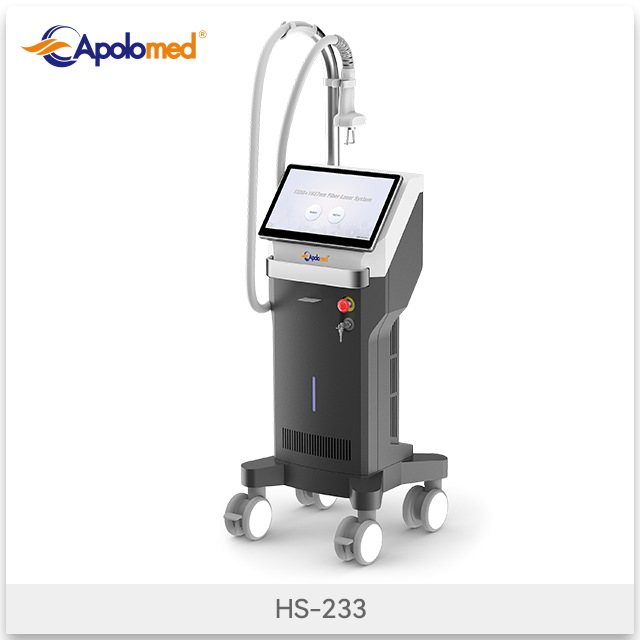
The 1550nm erbium fiber laser has redefined standards in medical and aesthetic care. This advanced fiber laser delivers precise energy for skin rejuvenation and scar treatment, achieving remarkable improvements in both skin texture and overall appearance. Quantitative studies reveal a 50% reduction in skin roughness area and volume, as well as a 25% decrease in depth depression, with equal efficacy in both genders. Devices such as the Apolomed HS-233 combine erbium and thulium wavelengths to address deep and superficial skin concerns. Modern erbium fiber laser systems enable clinicians to offer minimally invasive solutions with consistent, measurable results.
1550nm Erbium Fiber Laser Applications
Dermatology and Skin Rejuvenation
The 1550nm erbium fiber laser has become a cornerstone in modern dermatology. Its ability to deliver controlled energy to the skin makes it highly effective for skin rejuvenation. Dermatologists use this fiber laser for fractional photothermolysis, which targets both superficial and deeper layers of the skin. This process stimulates collagen production and improves skin texture. The dual-wavelength technology in devices like the Apolomed HS-233 allows practitioners to address a wide range of concerns, from fine lines to uneven tone.
·The 1550nm erbium fiber laser is widely used for:
Treating rhytides (fine wrinkles)
Smoothing atrophic acne scars
Enhancing overall skin tone and radiance
Patients often choose this non-ablative fractional laser because it offers minimal thermal injury. This leads to faster healing and fewer side effects compared to traditional ablative lasers. Most patients report high satisfaction, with average scores above 6 out of 10. Temporary redness and swelling are the most common side effects, but these resolve quickly. The combination of safety, effectiveness, and minimal downtime has made this fiber laser a preferred choice for skin rejuvenation.
Scar and Pigmentation Treatment
The 1550nm erbium fiber laser is also highly effective for scar and pigmentation treatment. It penetrates deep into the skin, remodeling damaged tissue and reducing the appearance of both acne and surgical scars. The Apolomed HS-233 enhances these results by combining the 1550nm wavelength with the 1927nm thulium fiber laser, which targets surface pigmentation such as melasma and sunspots.
Note: The dual-wavelength approach allows for comprehensive treatment of both deep and superficial skin concerns, improving outcomes for patients with complex skin issues.
Clinical studies show that the 1550nm erbium fiber laser achieves significant improvement rates for atrophic scars. The following table compares its effectiveness with other laser types:
| Laser Type | Improvement Rate | Patient Group | Statistical Significance |
|---|---|---|---|
| 10600 nm fx CO2 vs 1550 nm Er | 37.5% recovery | 50% | N/A |
| 2940 nm Er: YAG vs fx CO2 | 65% improvement | 50% | N/A |
| 1064 nm Nd: YAG vs 1550 nm Er | 42% improvement | Atrophic scars | N/A |
| 1550 nm Er vs 755 nm Picosecond | 73.91% improvement | Atrophic scars | P < 0.05 |
| NAFL for all atrophic scars | N/A | All skin types | FDA cleared |
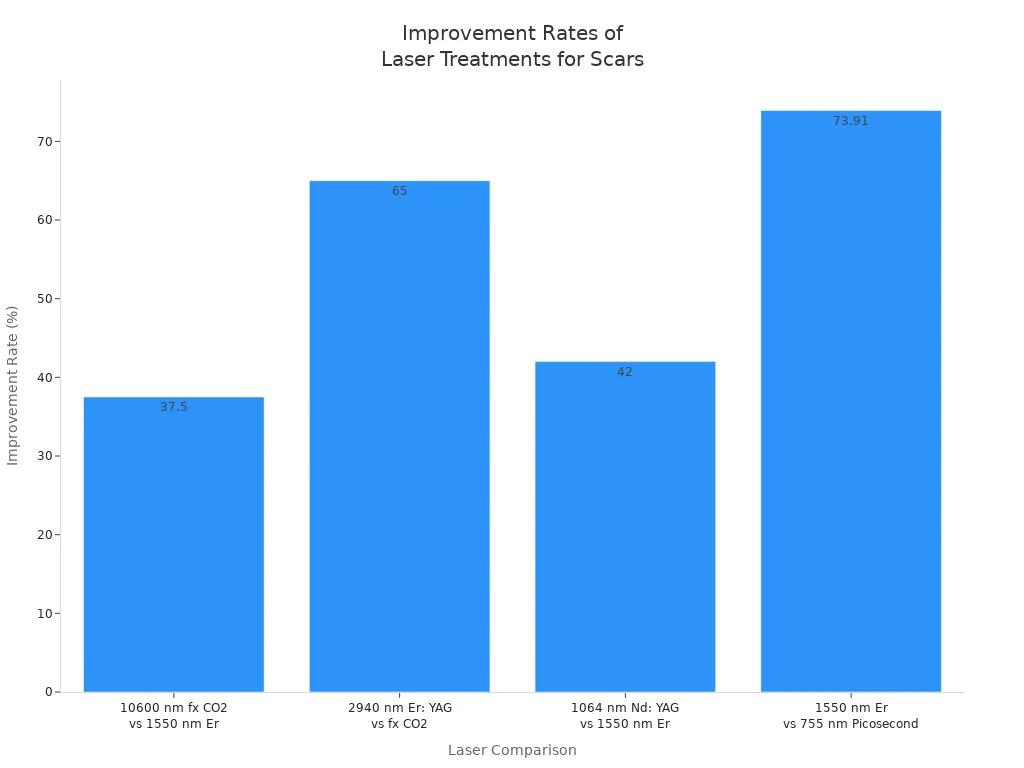
Fractional laser resurfacing with the 1550nm erbium fiber laser provides visible improvement in acne scars, surgical scars, and pigmentation disorders. The fiber laser is suitable for all skin types, and its precision reduces the risk of complications. Patients experience enhanced dermal thickness and a reduction in wrinkle severity, making this treatment a reliable option for those seeking smoother, clearer skin.
Other Medical Uses
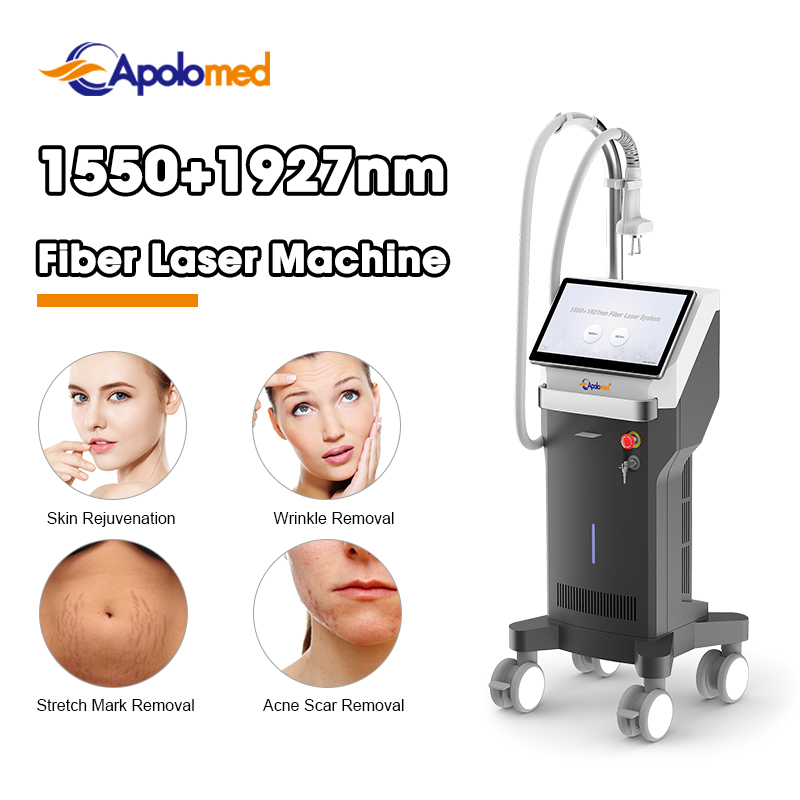
Beyond cosmetic dermatology, the 1550nm erbium fiber laser has expanded its role in medical applications. Physicians use this fiber laser for treating actinic keratoses, stretch marks, and photodamaged skin. The non-ablative nature of the erbium fiber laser allows for safe use on delicate areas, including the neck and hands, where traditional lasers may pose higher risks.
·Additional medical uses include:
Laser treatment of melasma and sun-induced pigmentation
Improving skin texture and pore size
Addressing mild to moderate skin laxity
The versatility of the erbium fiber laser, especially when combined with the 1927nm thulium wavelength, enables practitioners to tailor treatments for individual patient needs. This comprehensive approach supports both aesthetic and medical goals, ensuring optimal outcomes with minimal downtime.
Advantages of 1550nm Erbium Fiber Laser
Precision and Safety
The 1550nm erbium fiber laser stands out for its precision and safety in medical and aesthetic applications. This fiber laser delivers energy in a controlled manner, targeting specific layers of the skin without harming surrounding tissue. The Apolomed HS-233, with its adjustable density and stable energy output, allows practitioners to tailor each laser treatment to the patient’s needs. Clinical studies have shown that the dual 1550-nm erbium glass fiber and 1927-nm thulium fiber non-ablative fractional laser system provides consistent improvement in scarring and melasma, especially in patients with skin of color. Lower energy and density settings further reduce adverse effects.
| Aspect | Details |
|---|---|
| Objectives | Review the efficacy and safety of the dual 1550-nm erbium glass fiber and 1927-nm thulium fiber non-ablative fractional laser system in patients with skin of color. |
| Materials and Methods | Reviewed efficacy, safety, and histologic outcomes from 15 clinical studies on 1550-nm and 1927-nm treatments. |
| Results | Consistent improvement in scarring and melasma with 1550-nm; reduced post-inflammatory hyperpigmentation (PIH) with lower energy settings. |
| Conclusion | The dual-laser system is safe and effective, with fewer adverse effects noted at reduced energy and density settings. |
Complication rates remain low with this technology. The overall complication rate is 3.3%, with postinflammatory hyperpigmentation at 2.2%. Other adverse effects, such as acneiform eruptions and desquamation, occur in less than 1% of cases. No herpes outbreaks have been reported.
Minimal Downtime
Patients value minimal downtime after laser resurfacing. The 1550nm erbium fiber laser offers moderate recovery, usually between three and seven days. This is shorter than many traditional ablative procedures. The 1927nm thulium laser, often paired with the erbium system, can reduce downtime to just one or two days. Most patients experience only mild redness and swelling, allowing them to return to daily activities quickly. The non-ablative and micro-ablative nature of the treatment preserves the skin surface, which supports faster healing and less discomfort.
| Laser Type | Downtime |
|---|---|
| 1550nm Erbium Laser | Moderate (3-7 days) |
| 1927nm Thulium Laser | Minimal (1-2 days) |
Versatility in Practice
The erbium fiber laser demonstrates versatility across a wide range of clinical scenarios. It is suitable for various skin types and tones, including those prone to pigmentation changes. The 1550nm wavelength penetrates deeply into the dermis, promoting collagen regeneration and improving elasticity. As a non-ablative fractional laser, it treats conditions like acne scarring, wrinkles, and skin laxity without damaging the surface. The Apolomed HS-233’s user-friendly interface and advanced cooling system enhance patient comfort and allow for precise targeting, even in irregular areas. This flexibility makes the device a valuable tool for both skin rejuvenation and other medical procedures.
The fiber laser supports:
Collagen stimulation for improved texture
Gentle, effective treatment for all skin types
Safe, reliable outcomes with minimal risk
Trends and Innovations for 2026
New Protocols and Dual-Wavelength Approaches
Dermatologists are adopting new protocols that leverage the synergy of dual-wavelength systems. The combination of 1550nm and 1927nm wavelengths in a single fiber laser device allows for comprehensive skin care. The 1550nm erbium fiber laser penetrates deep to reconstruct tissue, while the 1927nm wavelength addresses superficial pigmentation. This dual approach triggers collagen coagulation without vaporization, preserving the stratum corneum and accelerating healing. Treatments now create thousands of micro-wounds surrounded by healthy tissue, which speeds up regeneration and reduces downtime.
| Wavelength | Target Area | Clinical Effect |
|---|---|---|
| 1550nm | Deep skin problems | Reconstruction of deep skin tissue |
| 1927nm | Superficial pigmentation | Comprehensive treatment for superficial skin issues |
| Combined | Deep and shallow synergy | Full-layer effect for anti-aging and tissue reconstruction |
Tip: Non-ablative fractional laser protocols are especially effective for mixed melasma and pigment disorders, offering less risk and fewer adverse reactions than traditional ablative or micro-ablative methods.
AI, Robotics, and Smart Devices
The integration of AI, robotics, and smart interfaces is transforming the fiber laser landscape. Devices like Apolomed’s systems feature user-friendly touch screens with multi-language support, smart pre-set protocols, and fully adjustable parameters. These features streamline the laser treatment workflow, ensuring safety and consistency. Intuitive navigation and clear visuals help clinicians deliver precise laser resurfacing, even in complex cases. Robotics and AI-driven adjustments further enhance accuracy, making the erbium fiber laser more accessible to practitioners with varying levels of experience.
| Feature | Description |
|---|---|
| User-friendly interface | 8” True Color Touch Screen with Multi-Language Support |
| Adaptable treatment | Smart Pre-Set Protocols and customizable parameters |
| Operational simplicity | Streamlined workflow and intuitive navigation |
Enhanced Outcomes and Accessibility
Recent innovations in fiber laser technology have led to improved clinical outcomes and greater accessibility. The 1550nm erbium fiber laser demonstrates high efficacy in treating hyperpigmentation, with pigment fading often exceeding 75% within a month. Fractional laser resurfacing stimulates rapid skin regeneration through microthermal treatment zones. Adoption rates are rising globally, with the Asia-Pacific region leading in both production and clinical use. North America and Europe also show strong growth, driven by demand for aesthetic procedures and advanced medical infrastructure.
·Enhanced versatility treats a wider range of skin conditions in a single session.
·Customizable protocols allow practitioners to tailor each treatment to individual needs.
·Reduced treatment time and downtime increase patient satisfaction and expand access to care.
Challenges and Considerations
Safety and Regulation
Patient safety remains a top priority in any medical setting. The 1550nm erbium fiber laser has a strong safety profile, but clinicians must remain vigilant. Regulatory agencies require strict adherence to protocols for device operation and patient care. Each treatment must follow established guidelines to minimize risks and ensure consistent results.
Complications from this laser are rare, but some incidents do occur. The most common issues include postinflammatory hyperpigmentation, acneiform eruptions, and desquamation. Herpes outbreaks have not been reported in recent studies. The table below summarizes the incidence rates for these complications:
| Complication Type | Percentage (%) |
|---|---|
| Postinflammatory hyperpigmentation | 2.2 |
| Acneiform eruption | 0.55 |
| Desquamation | 0.55 |
| Herpes outbreaks | 0 |
Note: Proper patient selection and pre-treatment screening help reduce the risk of adverse effects. Regulatory bodies may update requirements as new data emerges, so ongoing compliance is essential.
Training and Adoption
Widespread adoption of erbium fiber laser technology depends on effective clinician training. Medical professionals must understand device operation, patient assessment, and post-treatment care. Training programs often include hands-on workshops, online modules, and certification exams. These resources help practitioners deliver safe and effective skin treatments.
Barriers to adoption may include the cost of new equipment, the learning curve for advanced devices, and varying regulations across regions. Clinics that invest in comprehensive training see better patient outcomes and fewer complications. As technology evolves, ongoing education ensures that providers stay current with best practices.
Tip: Collaboration between manufacturers, regulatory agencies, and medical societies supports the safe integration of new laser systems into clinical practice.
1550nm Erbium Fiber Lasers, including advanced systems like Apolomed HS-233, are shaping the future of medical and aesthetic treatments. These lasers deliver precise energy and support minimally invasive procedures. Key innovations are driving improvements in patient outcomes and clinical workflows:
·Enhanced precision in treatment targeting
·Faster patient recovery times
·AI integration for real-time guidance and predictive analytics
·Reduced operative times and improved efficacy
Stay informed about new protocols and technologies to achieve optimal results for patients.
FAQ
What skin concerns can the 1550nm Erbium Fiber Laser treat?
The 1550nm Erbium Fiber Laser addresses acne scars, fine lines, wrinkles, pigmentation, and stretch marks. It also improves skin texture and tone. This technology suits a wide range of skin types and concerns.
How long does recovery take after treatment?
Most patients experience mild redness and swelling for three to seven days. The 1927nm thulium laser, when used, can reduce downtime to one or two days. Patients usually return to normal activities quickly.
Is the procedure painful?
Most patients report only mild discomfort during treatment. The Apolomed HS-233 features an advanced air cooling system and a compact handpiece, which help maximize comfort throughout the procedure.
Are results permanent?
Results are long-lasting, especially for scar reduction and collagen remodeling. However, maintenance sessions may be recommended for optimal outcomes, as aging and environmental factors continue to affect the skin.
Who is a good candidate for this laser treatment?
| Skin Type | Suitability |
|---|---|
| Fair | Excellent |
| Medium | Excellent |
| Dark | Very Good |
Most healthy adults seeking skin improvement are good candidates. A professional consultation ensures the best approach for individual needs.
Post time: Jun-09-2026


