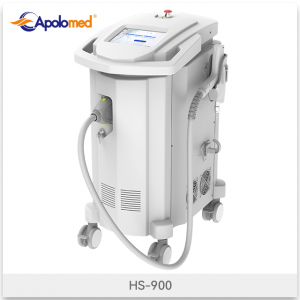
When choosing the best skin resurfacing treatment, many people wonder if the 2940nm Er:YAG fractional ablative laser or the CO2 laser delivers better results. Clinical studies show important differences. The Er:YAG laser uses precise tissue ablation and has a high absorption coefficient, which leads to a safer procedure, faster recovery, and fewer side effects. The CO2 laser creates more heat in the skin, offering stronger collagen stimulation and deeper wrinkle reduction, but it may cause longer redness and a higher risk of complications. The APOLOMED HS-900 platform gives both options, making it easy for practitioners to match the procedure to each patient’s needs.
| Feature | CO₂ | Er:YAG |
|---|---|---|
| Primary Mechanism | Residual thermal damage | Tissue ablation |
| Absorption Coefficient | 800 cm⁻¹ | 13,000 cm⁻¹ |
| Recovery Speed | Slower | Faster |
| Safety | Higher risk at high power | Safer profile |
How Ablative Laser Skin Resurfacing Works
Ablative laser skin resurfacing is a popular method for improving skin texture, reducing wrinkles, and treating scars. Both the 2940nm er:yag fractional ablative laser and CO2 laser use focused light energy to remove layers of damaged skin. This process triggers the body’s natural healing response, leading to smoother and healthier skin.
2940nm Er:YAG Fractional Ablative Laser Technology
The 2940nm er:yag fractional ablative laser stands out for its precision and safety. This technology uses a specific wavelength that targets water in the skin. The laser beam penetrates the surface and vaporizes damaged cells with minimal heat spread. The 2940nm er:yag fractional ablative laser creates controlled micro-injuries, which stimulate the production of new collagen and elastin. As a result, the skin becomes firmer and more elastic. Many clinics use the 2940nm er:yag fractional ablative laser for fractional resurfacing because it offers fast recovery and less discomfort. The fractional erbium laser is especially effective for patients who want visible results with less downtime. The 2940nm er:yag fractional ablative laser also works well for delicate areas and lighter skin types. The fractional erbium laser can treat fine lines, acne scars, and sun damage with high precision.
CO2 Laser and CO₂ Laser Technology
CO2 lasers have been used for decades in skin resurfacing. These lasers deliver energy that penetrates deeper into the skin compared to the 2940nm er:yag fractional ablative laser. The CO2 laser produces more heat, which leads to stronger collagen remodeling. This makes it a good choice for deep wrinkles and severe scars. However, the extra heat can increase redness and recovery time. The CO2 laser removes the outer skin layer and stimulates the body to repair itself. Like the fractional erbium laser, the CO2 laser also triggers collagen and elastin production, but with a higher risk of side effects. Some patients may prefer the 2940nm er:yag fractional ablative laser or fractional erbium laser for a gentler approach.
Fractional vs. Fully Ablative Methods
Note: The method used can affect both results and recovery time.
| Method | Tissue Removal | Healing Response |
|---|---|---|
| Fractional Method | Treats a fraction of the skin surface, creating microscopic thermal zones (MTZ) | Rapid healing due to surrounding undamaged tissue |
| Fully Ablative Method | Removes the entire outer layer of skin | Longer recovery times and more intense discomfort |
Fractional erbium laser treatments use the fractional method, which creates tiny columns of treated skin surrounded by healthy tissue. This allows for faster healing and less downtime. The 2940nm er:yag fractional ablative laser often uses this approach for optimal results. Fully ablative methods remove the entire surface layer, leading to longer recovery but dramatic improvements. Patients and providers often choose the fractional erbium laser or 2940nm er:yag fractional ablative laser for a balance of safety and effectiveness.
Key Differences: Er:YAG vs. CO2 Laser
Treatment Depth and Precision
Ablative laser skin resurfacing uses advanced technology to remove damaged skin and reveal healthier layers. The erbium:yag laser and CO2 laser both offer unique benefits for skin resurfacing. The erbium:yag laser operates at a wavelength of 2,940 nm, which is highly absorbed by water in the skin. This means it can target the surface with great precision and less heat spread. The CO2 laser, on the other hand, penetrates deeper and creates more thermal energy in the tissue.、
·The erbium:yag laser allows for very controlled removal of thin skin layers.
·It produces less heat, so there is less risk of damaging nearby tissue.
·The CO2 laser can reach deeper layers, making it a strong choice for severe wrinkles and deep acne scars.
·The erbium:yag laser is often preferred for delicate areas and for patients who want a gentler approach.
This difference in precision leads to different results. The erbium:yag laser is ideal for fine lines, mild to moderate acne scars, and patients who want faster recovery. The CO2 laser is better for deep wrinkles, severe acne scars, and cases where dramatic results are needed.
Heat Generation and Safety
Heat generation is a key factor in ablative laser resurfacing. The erbium:yag laser creates less heat in the skin, which lowers the risk of side effects. The CO2 laser produces more heat, which can lead to longer redness and a higher chance of complications.
| Laser Type | Heat Generation Characteristics | Patient Safety Implications |
|---|---|---|
| Er:YAG Laser | Less heat spread, more superficial action | Fewer cases of redness and blistering, safer for sensitive skin and those prone to pigment changes |
| CO2 Laser | Deeper penetration, more thermal damage | Higher risk of persistent redness, longer recovery, and more complications for some patients |
Choosing the right laser for ablative laser skin resurfacing depends on the patient’s skin type, goals, and tolerance for downtime.
Typical Results and Outcomes
Both lasers can deliver impressive results for skin resurfacing, but the outcomes differ based on the technology and the skin concern being treated.
·The CO2 laser often gives dramatic results for deep wrinkles and severe acne scars. It stimulates more collagen and can improve skin texture in cases of advanced photodamage.
·The erbium:yag laser provides strong results with less downtime. It is effective for fine lines, mild to moderate acne scars, and general skin rejuvenation.
·Patients treated with the erbium:yag laser usually experience less redness and a quicker return to normal activities.
·For the treatment of acne scars, both lasers show improvement, but the CO2 laser may offer higher satisfaction for deep or depressed scars.
·The risk of long-term side effects, such as persistent redness or pigment changes, is lower with the erbium:yag laser.
| Aspect | CO2 Laser | Er:YAG Laser |
|---|---|---|
| Efficacy | Marginally better for deeper photodamage and acne scars | Strong results with reduced downtime |
| Recovery Time | Longer redness and healing | Shorter redness and faster recovery |
| Patient Comfort | More persistent redness possible | Fewer pigment changes and less discomfort |
| Overall Satisfaction | Higher for deep acne scarring | Preferred for safety and sensitive skin |
Note: The CO2 laser is the top choice for dramatic results in deep wrinkles and severe acne scarring. The erbium:yag laser is best for those who want effective results with less risk and downtime.
Ablative laser skin resurfacing with either technology can improve skin texture, reduce wrinkles, and treat acne scars. The choice depends on the desired results, the severity of the skin concern, and the patient’s recovery preferences.
Effectiveness for Skin Concerns
Wrinkles and Fine Lines
Laser resurfacing remains a leading choice for reducing wrinkles and fine lines. Both Er:YAG fractional ablative laser and CO2 laser can improve the appearance of aging skin, but their effectiveness and safety profiles differ. The CO2 laser often produces more dramatic results for deep wrinkles. It penetrates deeper into the skin and stimulates more collagen, which helps smooth out static wrinkles, especially around the eyes and mouth. However, this deeper action comes with a higher risk of side effects, such as redness and pigment changes.
The Er:YAG fractional ablative laser offers a gentler approach. It removes the outer layer of skin with high precision and less heat, which leads to less downtime and a faster recovery. Patients who choose Er:YAG often experience fewer adverse reactions, making it a safer option for those with sensitive skin or concerns about post-treatment pigmentation. Studies show that while CO2 laser resurfacing is more effective for severe wrinkles, Er:YAG fractional ablative laser provides excellent results for mild to moderate lines with a much shorter recovery period.
Note: Choosing between these two lasers for wrinkle reduction involves balancing the desire for maximum improvement with the need for a safe and comfortable recovery.
Acne Scars and Texture
Acne scars and uneven skin texture can affect confidence and self-image. Laser resurfacing treatments target these concerns by removing damaged skin and encouraging new collagen growth. The CO2 laser is well-known for its ability to treat deep acne scars and rough texture. Many patients report significant improvement in the depth and appearance of scars after CO2 laser sessions. Satisfaction rates are high, especially for those with severe scarring.
The Er:YAG fractional ablative laser also improves acne scars and skin texture. It works by creating controlled micro-injuries that trigger the body’s natural healing process. This process leads to smoother skin and a more even surface. When combined with other therapies, such as platelet-rich plasma (PRP), Er:YAG treatments can achieve even higher satisfaction rates. Patients often choose Er:YAG for its safety, less downtime, and reliable results for mild to moderate scarring.
·CO2 laser resurfacing is preferred for deep, pitted scars and significant texture issues.
· Er:YAG fractional ablative laser is ideal for patients seeking improvement with less downtime and a lower risk of side effects.
General Skin Rejuvenation
Skin rejuvenation treatments aim to restore a youthful, healthy appearance. Both Er:YAG and CO2 lasers can deliver impressive results, but they differ in their approach and suitability for different skin types. The Er:YAG fractional ablative laser causes less thermal damage, which means faster recovery and a lower risk of unwanted pigment changes. This makes it a safer choice for patients with darker skin tones or those who want to treat delicate areas like the eyes and mouth.
The CO2 laser, while more aggressive, is effective for treating deeper wrinkles and more severe skin concerns. However, it requires a longer recovery and carries a higher risk of post-inflammatory hyperpigmentation, especially in patients with darker complexions.
| Feature | Er:YAG Laser | CO2 Laser |
|---|---|---|
| Thermal Damage | Less collateral thermal injury | More extensive thermal damage |
| Recovery Time | Faster recovery | Longer recovery time |
| Skin Type Suitability | Safer for darker skin types (Fitzpatrick IV-VI) | Higher risk of hypopigmentation in darker skin |
| Treatment Areas | Effective on delicate areas (eyes, mouth) | Suitable for broader areas but more aggressive |
| Conditions Treated | Fine lines, mild wrinkles, superficial scarring | Deeper wrinkles, significant scarring |
| Risk of Pigment Changes | Lower risk of unwanted pigment changes | Higher risk of post-inflammatory hyperpigmentation |
Patients seeking facial rejuvenation often prefer Er:YAG fractional ablative laser for its gentle approach and less downtime. Those with more advanced signs of aging or severe scarring may benefit from the deeper action of the CO2 laser. Both options stimulate collagen production, which is key to long-term skin rejuvenation. The choice depends on individual goals, skin type, and willingness to accept a longer recovery for more dramatic results.
Tip: For anyone considering a skin rejuvenation treatment, consulting with a qualified provider can help determine which resurfacing method will deliver the best results with the safest recovery.
Side Effects, Downtime, and Recovery
Common Side Effects
Both the co2 laser and Er:YAG fractional ablative laser can cause side effects after treatment. The co₂ laser is known for more severe reactions. Patients may experience redness, pain, skin peeling, and sometimes infection. Other possible issues include post-inflammatory hyperpigmentation, delayed wound healing, scarring, and milia. The Er:YAG laser usually leads to milder side effects. Most patients notice less swelling and fewer days of crusting. The risk of acne, hyperpigmentation, hypopigmentation, and infection is present with both lasers, but the Er:YAG laser has a lower risk of complications.
| Treatment Type | Common Side Effects | Adverse Event Rate |
|---|---|---|
| CO2 Laser | Erythema, pain, hyperpigmentation | 64.5% |
| Er:YAG Laser | Erythema, pain, hyperpigmentation | 4.2% |
Note: The co₂ laser has a higher rate of side effects compared to the Er:YAG laser.
Recovery Time Comparison
Recovery time is an important factor for many patients. The Er:YAG fractional ablative laser allows for a faster return to daily activities. Redness and swelling often last only a few days to a week. Most people can resume normal routines quickly. The co₂ laser, however, requires a longer healing period. Redness and swelling may last up to two weeks, and full recovery can take several weeks.
| Laser Type | Average Recovery Time |
|---|---|
| Er:YAG | Redness and swelling for a few days to a few weeks; downtime often less than a week. |
| CO2 | Redness and swelling up to two weeks; complete healing may take several weeks. |
Tip: Choosing the right laser can help balance results with the amount of downtime you are willing to accept.
Safety for Different Skin Types
Skin type plays a big role in the safety of laser resurfacing. Darker skin types (Fitzpatrick IV–VI) face a higher risk of post-inflammatory hyperpigmentation and erythema. These reactions account for most pigment changes after treatment. Lighter skin types (Fitzpatrick I–III) usually have fewer long-term pigment issues and experience more temporary redness or swelling. The Er:YAG fractional ablative laser is preferred for darker skin because it has a lower risk of pigment changes. The co₂ laser can cause more pigment problems, especially in people with more melanin. Providers often use conservative settings, test spots, and strict sun protection to reduce risks for all skin types.
Patients with darker skin should discuss options with their provider to ensure the best outcome and minimize side effects.
Suitability and Patient Selection
Skin Types and Fitzpatrick Scale
Choosing the right laser for skin resurfacing depends on your skin type. The Fitzpatrick scale helps doctors decide which treatment is safest. This scale sorts skin into six types, from very fair (Type I) to very dark (Type VI). The erbium laser is a top choice for many patients because it works well with different skin types.
·For skin types III to VI, the erbium laser is preferred. It creates less heat in the skin and lowers the risk of hyperpigmentation.
·The erbium laser leads to shorter redness and faster healing. Most people see redness for only one to three days.
·The erbium laser is gentle and safe for darker skin tones. It helps prevent unwanted pigment changes.
The CO2 laser can be effective, but it may cause more side effects in darker skin. Doctors often choose the erbium laser for patients with more melanin in their skin.
Age and Skin Condition
Age and skin condition also affect which laser is best. Younger patients with mild wrinkles or early sun damage often see great results with the erbium laser. This laser removes thin layers of skin and helps new skin grow. Older patients with deeper wrinkles or scars may need a stronger treatment. The erbium laser can still help, but some may benefit from a CO2 laser for severe skin concerns.
The erbium laser is also a good option for people with sensitive skin. It treats fine lines, acne scars, and uneven texture without causing much irritation. The erbium laser is safe for delicate areas, such as around the eyes and mouth.
Choosing the Right Laser for You
Selecting the best laser depends on your goals and your skin’s needs. Talk with a trained provider about your skin type, age, and what you want to improve. The erbium laser offers flexibility and safety for many people. It works for a wide range of skin types and conditions. The erbium laser is a smart choice for those who want visible results with less downtime.
Tip: Always ask your provider about the risks and benefits of each laser. The erbium laser is often the safest and most effective option for many skin types.
Sessions, Maintenance, and Cost
Number of Treatments Needed
The number of laser sessions depends on the type of laser and the skin concern. Most patients need one to three sessions with a CO2 laser for deep wrinkles or scars. The results from each session are often dramatic. Er:YAG fractional ablative laser treatments usually require more sessions. Patients may need three to five treatments to reach their goals. Each session with Er:YAG is gentler, so the skin heals faster, but the changes are more gradual.
Tip: Your provider will recommend a treatment plan based on your skin type and desired results.
Maintenance and Longevity of Results
The longevity of results and maintenance needs differ between these two lasers. CO2 laser treatments offer longer-lasting improvements. Many patients see results that last several years after just one or two sessions. Maintenance sessions are less frequent. Er:YAG fractional ablative laser results do not last as long. Patients often need more regular maintenance to keep their skin looking its best.
| Laser | Longevity of Results | Maintenance Requirements |
|---|---|---|
| Er:YAG | Shorter-lasting results, requiring more frequent treatments | More frequent maintenance sessions needed |
| CO₂ | Longer-lasting results with fewer maintenance sessions | Fewer maintenance sessions required |
Cost Comparison
Cost is an important factor when choosing a laser treatment. CO2 laser resurfacing is usually more expensive per session. Fractional CO2 treatments for the full face often range from $2,500 to $4,500. Fully ablative CO2 treatments can cost $4,000 to $6,000 or more. Er:YAG fractional ablative laser sessions are generally less expensive, but the need for more sessions may increase the total cost over time.
| Treatment Type | Typical Cost (Full Face) |
|---|---|
| Fractional CO2 | $2,500 to $4,500 |
| Fully Ablative CO2 | $4,000 to $6,000+ |
Note: Always ask your provider for a detailed cost estimate and discuss the expected number of sessions for your treatment plan.
Why Choose APOLOMED HS-900 for Skin Resurfacing
Versatility and Technology
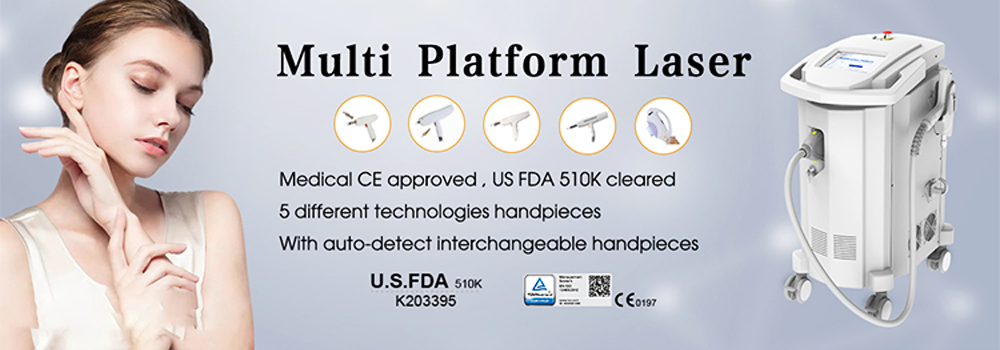
The APOLOMED HS-900 stands out as a versatile platform for skin resurfacing. . Practitioners can switch between these options to match each patient’s needs. The HS-900 includes eight interchangeable handpieces. These handpieces allow providers to offer more than twenty treatment programs. The device supports treatments for wrinkles, scars, hair removal, and skin tightening.
The HS-900 uses high output energy. This feature helps achieve strong results for skin resurfacing. The smart software is upgradable. Clinics can keep their technology current as new treatments become available. The handpieces are auto-detected, which makes operation simple and efficient.
| Feature | Description |
|---|---|
| Multifunctionality | Eight interchangeable handpieces, over twenty treatment programs |
| High Output Energy | Enhanced efficacy for skin resurfacing |
| Advanced Software Capabilities | Upgradable smart software |
| Interchangeable Handpieces | Auto-detected for convenience |
| Numerous Applications | Wide range of aesthetic and medical treatments |
Safety and Certifications
Safety is important in skin resurfacing. The APOLOMED HS-900 meets strict international standards. It holds certifications from ISO 13485, CE, and US FDA 510K. These certifications show that the device is safe and effective for clinical use. The HS-900 also meets standards in Australia and Brazil. Clinics can trust this platform for patient care.
| Certification/Standard | Region/Authority |
|---|---|
| ISO 13485 | International |
| CE | Europe |
| US FDA 510K | United States |
| TGA | Australia |
| Anvisa | Brazil |
Clinical and Patient Benefits
The HS-900 offers many benefits for both clinics and patients. Providers can treat a wide range of skin concerns with one device. The user-friendly touch screen makes operation easy. Patients enjoy high satisfaction rates because treatments are effective and recovery is fast. Clinics can expand their services without buying multiple machines. The HS-900 adapts to new demands and helps clinics grow.
Tip: The APOLOMED HS-900 gives clinics flexibility and patients safer, more comfortable treatments.
Er:YAG fractional ablative laser and CO2 laser each offer unique benefits for skin resurfacing. Er:YAG provides faster recovery and a safer profile, while CO2 delivers deeper results for severe concerns. The best option depends on your skin type, treatment goals, and medical history. Important factors include:
·Skin type and Fitzpatrick scale
·Possible side effects
·Number of sessions needed
·Existing health conditions
Consult a qualified provider and consider advanced systems like the APOLOMED HS-900 for safe, effective, and versatile care.
FAQ
What is the main difference between Er:YAG and CO2 lasers?
Er:YAG lasers use a 2940nm wavelength that targets water in the skin. CO2 lasers use a 10,600nm wavelength and create more heat. Er:YAG offers faster healing and less risk of side effects. CO2 works deeper for severe wrinkles and scars.
Is Er:YAG laser safer for darker skin tones?
Yes. Er:YAG lasers cause less heat damage, which lowers the risk of pigment changes. This makes them a safer choice for people with darker skin types (Fitzpatrick IV-VI).
How long does recovery take after laser resurfacing?
Recovery depends on the laser type. Er:YAG laser treatments usually heal in a few days to one week. CO2 laser treatments may need up to two weeks or more for full recovery.
Can both lasers treat acne scars?
Both lasers improve acne scars. CO2 lasers work best for deep, pitted scars. Er:YAG lasers help with mild to moderate scars and offer less downtime.
How do I choose the right laser for my skin?
Consult a trained provider. They will consider your skin type, age, and treatment goals. The right laser depends on your needs and how much downtime you can accept.
Post time: Jul-16-2026


