1064 qs laser equipment stands at the forefront of modern tattoo removal and skin treatments. Many clinics choose this technology for its ability to target darker inks and deeper layers of skin with precision. Patients and practitioners value the safety and effectiveness of 1064 qs laser equipment. Studies show:
·The mean improvement in tattoo removal reaches 61%, with some patients achieving up to 95%.
·Over 40% of patients experience complete tattoo removal, while side effects remain mild and temporary.
APOLOMED’s Platform Series-HS-900 brings advanced 1064 qs laser equipment technology to medical and aesthetic practices.
1064 Q-switched Laser Technology
How Q-switched Lasers Work
Q-switched lasers use advanced technology to remove tattoos and treat skin pigmentation. These devices produce ultra-short pulses of energy that last only a few nanoseconds. The energy from the q-switched laser targets pigment in the skin, such as tattoo ink or melanin, without harming the surrounding tissue. When the laser hits the pigment, it creates a rapid expansion of the ink particles. This process generates acoustic waves, also known as a photoacoustic effect, which breaks the pigment into tiny fragments. The body’s immune system then removes these fragments over time.
Q-switched lasers can use different wavelengths to target specific colors. The 1064 nm wavelength works best for dark pigments like black, blue, and green. The 532 nm wavelength is more effective for red, orange, and yellow inks. The table below shows how q-switched lasers interact with different pigments:
| Wavelength | Target Colors | Action Mechanism | Skin Safety |
|---|---|---|---|
| 1064 nm | Black, Blue, Green | Photomechanical Shockwave | High (Low Thermal Impact) |
| 532 nm | Red, Orange, Yellow | Photomechanical Shockwave | Targeted (Precise Absorption) |
Q-switched lasers deliver energy in a way that minimizes heat buildup. This reduces the risk of scarring and discomfort during laser treatment. The ability to adjust the wavelength allows practitioners to treat a wide range of tattoo colors and skin types. Q-switch technology targets pigment directly, which helps protect healthy skin.
·Q-switched lasers use specific wavelengths to target different ink colors based on their absorption spectra.
·The 1064 nm wavelength is effective for dark pigments, while the 532 nm wavelength targets brighter colors.
·The laser delivers ultra-short pulses that create mechanical shockwaves, breaking down ink particles without significant thermal damage to surrounding tissue.
1064 nm Wavelength Benefits
The 1064 nm wavelength offers several advantages for laser treatment. This wavelength penetrates deeper into the skin than shorter wavelengths. It has a lower absorption by melanin, which means it can bypass the surface layer of the skin and reach deeper pigments. This property makes the 1064 nm q-switched laser especially safe for people with darker skin tones. It reduces the risk of burns or heat-related damage that can occur with other wavelengths.
The 1064 nm wavelength also works well for treating conditions like leg veins and vascular lesions. It can target the follicle matrix for hair removal and reach deep-seated tattoo ink. The table below highlights the main benefits of the 1064 nm wavelength:
| Advantage | Description |
|---|---|
| Specific Interaction with Melanin | The 1064 nm wavelength has a lower melanin absorption coefficient, allowing deeper penetration. |
| Bypassing Epidermal Melanin | It minimizes thermal injury by bypassing the epidermis, reducing the risk of burns in darker skin. |
| Targeting the Follicle Matrix | Achieves superior depth of penetration to effectively destroy hair follicles located deep in the skin. |
| Versatility Across Skin Types | Provides a high safety margin for darker skin types, making it suitable for a wider range of patients. |
The 1064 nm q-switched laser stands out for its safety and effectiveness. It can treat a variety of skin types and conditions. This makes it a preferred choice for both tattoo removal and other skin treatments.
APOLOMED HS-900 Features
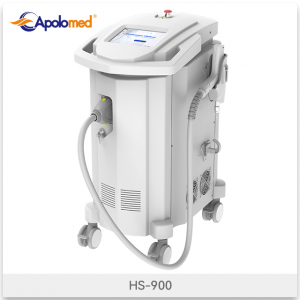
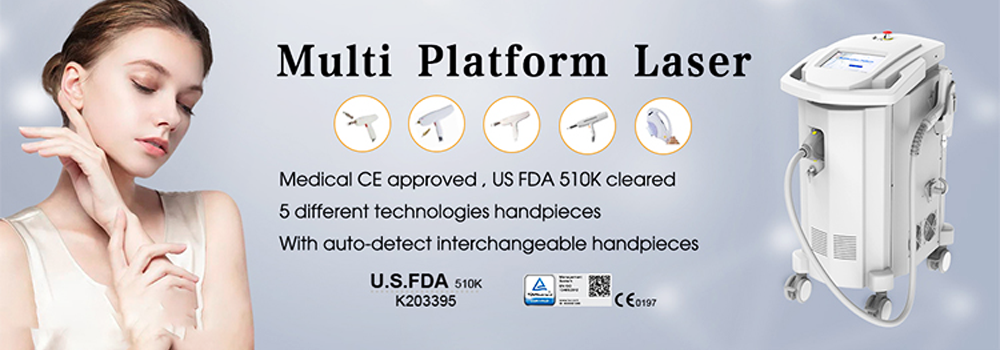
The APOLOMED Platform Series-HS-900 brings innovation and versatility to q-switched laser technology. This advanced system combines eight different handpieces in one device, allowing practitioners to perform over 20 types of laser treatment. The HS-900 includes a q-switched laser handpiece for tattoo removal, as well as options for skin resurfacing, scar treatment, and hair removal.
Key features of the APOLOMED HS-900 include:
·8-in-1 system with interchangeable handpieces for multiple applications.
·True color 8-inch touch screen for easy operation.
·Smart software with auto-detection of handpieces and upgradable features.
·Compact design suitable for various clinical settings.
·Certified by ISO 13485, SGS ROHS, TUV Medical CE, and US FDA for safety and efficacy.
The q-switched laser handpiece in the HS-900 uses the 1064 nm wavelength to target deep and dark pigments. The device delivers ultra-short pulses, which break down tattoo ink and pigmentation efficiently. The system’s design ensures high patient satisfaction and a strong return on investment for clinics.
Practitioners can rely on the HS-900 for consistent results and a wide range of treatments. The device adapts to the needs of both medical and aesthetic practices. With its advanced technology and safety certifications, the APOLOMED HS-900 stands as a leading choice in q-switched laser equipment.
Tattoo Removal with 1064 Qs Laser Equipment
Laser Tattoo Removal Process
Laser tattoo removal uses advanced technology to break down ink particles in the skin. Clinics rely on the 1064 Q-switched laser for its precision and safety. The process involves several important steps that ensure effective tattoo removal and minimize risks.
1.Consult with a Professional
2.Patients meet with a certified specialist to discuss the tattoo and create a tattoo removal treatment plan.
3.Gather Required Tools
4.The technician prepares the Q-switched Nd:YAG laser and protective eyewear for both parties.
Perform a Patch Test
The specialist tests a small area of skin to check for any adverse reactions to the laser.
Prepare the Treatment Area
The tattooed skin is cleaned thoroughly to remove any debris or oils.
Apply Protective Gear
Both the technician and the patient wear protective eyewear to shield their eyes from the laser.
Setup the Laser Machine
The technician adjusts the laser settings based on the patch test results and the tattoo’s characteristics.
Perform the Laser Treatment
The laser is applied evenly over the tattooed area, targeting the ink with ultra-short pulses.
Post-Treatment Care
- A cooling gel is used to soothe the skin, and the patient receives aftercare instructions.
Clinics use this step-by-step approach to maximize safety and achieve the best possible results during each tattoo removal session.
Effectiveness for Different Tattoo Types
The 1064 Q-switched laser works best for certain tattoo colors and skin types. Black and blue tattoos respond most effectively to the 1064 nm wavelength. Red, orange, and red-brown tattoos require the 532 nm wavelength, which is derived from the 1064 nm laser. Green tattoos often need a QS Alexandrite laser for optimal removal.
| Tattoo Color | Effective Laser Treatment |
|---|---|
| Black | 1064 nm QS Nd:YAG |
| Blue | 1064 nm QS Nd:YAG |
| Red | 532 nm (from 1064 nm) |
| Orange | 532 nm (from 1064 nm) |
| Red-Brown | 532 nm (from 1064 nm) |
| Green | QS Alexandrite |
Patients with darker skin tones benefit from the 1064 nm laser because it penetrates deeper and avoids excessive absorption by melanin. This reduces the risk of burns and scarring. Clinics often see the best results with black tattoos, which are the most common type of unwanted tattoos.
Laser tattoo removal works differently for amateur and professional tattoos. Amateur tattoos usually require fewer sessions, while professional tattoos may need more treatments. Most tattoos need between 5 and 12 sessions for significant clearance. Some amateur tattoos clear after 4 to 6 treatments. Professional tattoos may require 8 or more sessions, and some studies report averages of 14 to 16 sessions for total removal.
Note: Complete removal of tattoo pigment is challenging. Most patients achieve up to 75% reduction in tattoo pigment, but total removal occurs in only a small percentage of cases.
Healing and Results Timeline
The healing process after a laser tattoo removal session takes time. Skin restoration can last up to 13 weeks as the barrier function returns to normal. Patients notice redness, swelling, and mild discomfort immediately after treatment. These symptoms fade within a few days. The skin gradually heals, and the immune system removes the fragmented ink particles.
Results depend on the tattoo’s size, color, depth, and the patient’s skin type. Clinics observe that amateur tattoos fade faster than professional tattoos. Most patients see visible improvement after several sessions. Complete removal is rare, but significant fading is common.
·Amateur tattoos typically require 4 to 6 treatments for noticeable results.
·Professional tattoos may need 8 or more sessions for substantial removal.
·Studies show that only 1.26% of patients achieve total removal after an average of 3.57 treatments.
·About 75% of tattoo pigment can be diminished with repeated laser sessions.
Patients should follow aftercare instructions to support healing and maximize results. The skin needs time to recover between sessions. Clinics recommend spacing treatments several weeks apart to allow proper healing.
Tip: Patience is essential during laser tattoo removal. The process takes multiple sessions, and results improve gradually as the skin heals and ink fades.
Skin Treatments Using Q-switched Laser
Treating Pigmentation and Spots
Q-switched laser technology targets pigmentation issues like age spots, melasma, and freckles. The laser delivers ultra-short bursts of energy that break down melanin clusters in the skin. This process allows the body to naturally eliminate pigment fragments. Clinics use pico and pico-second lasers for stubborn conditions, including sun spots and birthmarks. The laser minimizes heat damage, making it safe for sensitive areas such as the face, chest, shoulders, back, and hands.
| Mechanism of Action | Effectiveness | Treatment Areas |
|---|---|---|
| Delivers ultra-short bursts of energy targeting pigment | Minimizes heat damage to surrounding skin | Effective on face, chest, shoulders, back, and hands |
| Breaks down pigment into tiny fragments for natural elimination | Versatile for various pigmentation issues | Commonly treats sun spots, freckles, melasma, and birthmarks |
Over half of patients achieve excellent clearance of pigmented lesions with the laser. The treatment works well for all skin types, including dark-skinned individuals. Minor side effects, such as purpura, resolve quickly.
Skin Rejuvenation Applications
Clinics use pico and pico-second lasers for skin rejuvenation. The laser stimulates collagen production, improving skin tone and texture. Medium depth nonablative resurfacing treats photoaging with high satisfaction and minimal downtime. The laser also reduces wrinkles and acne scars without damaging the skin’s surface. Seven treatments with the 1064 nm Q-switched laser led to significant improvements in skin tone and texture. All participants reported improvement at three and six months post-treatment. Histological analysis showed a reduction in epidermal melanin content.
Tip: Pico and pico-second lasers provide strong pigmentation removal and skin whitening, resulting in a more even skin tone.
Other Aesthetic Benefits
The APOLOMED HS-900 offers multi-functionality for various skin concerns. The device supports eight specialized handpieces, allowing clinics to treat a wide range of skin impurities with precision. Enhanced power delivery improves treatment outcomes. The laser system streamlines workflow, maximizing results and simplifying the process for providers. Pico and pico-second lasers address cellulite, skin tightening, and scar reduction.
·Clinics use the laser for benign hypermelanosis, skin whitening, and texture improvement.
·The HS-900 adapts to different skin types and treatment needs.
·Patients experience high satisfaction and minimal discomfort during laser procedures.
Procedure, Preparation, and Aftercare
Treatment Steps Overview
Patients experience a structured process during laser tattoo removal and skin treatments. Clinics begin with a consultation to create a personalized treatment plan. Specialists assess the tattoo, skin type, and medical history. The procedure follows these steps:
| Step | Before Treatment | During Treatment | After Treatment |
|---|---|---|---|
| Sun Exposure | Avoid sun exposure | N/A | Avoid direct sun exposure |
| Skincare Products | Discontinue harsh skincare products | N/A | Use soothing creams and sunscreen |
| Hydration | Stay hydrated | N/A | Keep skin moisturized |
| Treatment Care | Follow personalized advice from the specialist | Treated area covered in a sterile bandage | Avoid touching, itching, or picking at the area |
| Healing Process | N/A | N/A | Allow crusting to heal naturally |
Clinics use protective eyeshields during laser sessions. Specialists apply topical anesthetic to reduce discomfort. The laser targets tattoo ink or pigmentation with precision. After treatment, the area receives a sterile bandage and cooling gel.
Preparing for Laser Sessions
Preparation maximizes safety and results. Patients avoid sun exposure for at least two weeks before treatment. Specialists recommend discontinuing harsh skincare products, such as retinoids and acids, seven to ten days prior. Hydration supports skin health. Clinics exclude patients with active infections, ulcers, or photosensitive conditions. Specialists monitor caffeine intake and sleep patterns to ensure suitability.
Tip: Apply broad-spectrum sunscreen daily before and after laser sessions. Photoprotection prevents complications and enhances results.
Patients follow personalized instructions from their specialist. Clinics may use topical anesthetics to minimize pain. Protective eyewear shields eyes from laser exposure.
Aftercare for Best Results
Proper aftercare ensures scar-free results and optimal healing. Patients avoid direct sun exposure and use sunscreen with SPF 50 or higher. Gentle cleansers and hydrating products support skin recovery. Specialists advise against touching, scratching, or picking at the treated area. Ice packs reduce redness and swelling. Anti-inflammatory ointments and reparative agents help the skin heal.
·Follow aftercare instructions closely.
·Use soothing creams and sunscreen daily.
·Keep skin moisturized and hydrated.
·Allow crusting to heal naturally.
·Monitor for unusual signs, such as excessive redness or blisters, and contact a specialist if needed.
Clinics record patient satisfaction and monitor side effects after each session. These practices help achieve the best results in tattoo removal and skin treatments.
Safety and Side Effects of Q-switched Lasers
Common Side Effects
Q-switched laser treatments have a strong safety record, but some side effects can occur. Most patients notice mild symptoms that fade quickly. The most common side effects include:
·Redness
·Swelling
·Mild to moderate erythema
·Crusting
·Mild pinpoint bleeding
·Temporary darkening or lightening of the skin
·Small blisters
·Itching
These reactions show that the laser is working on the targeted area. Proper aftercare helps the skin heal. Patients should apply soothing agents, such as aloe vera, and protect the area with gauze or bandages. They should avoid sun exposure and never pick at scabs.
The table below summarizes side effects and management tips:
| Disadvantage Type | Common Examples | Key Considerations |
|---|---|---|
| Common Side Effects | Redness, swelling, sunburn-like feeling | Temporary; part of the normal healing process |
| Pigmentation Risks | Hyperpigmentation, hypopigmentation | More common in darker skin; usually temporary |
| Serious (Rare) Risks | Infection, scarring | Minimized by skilled practitioners and proper aftercare |
Patient Suitability
Not everyone is a candidate for q-switched laser treatments. Clinics select patients carefully to ensure safe laser treatments. Specialists adjust the laser settings based on each person’s skin type. The qualifications of the provider play a key role in q-switch laser safety. Patients with active infections, open wounds, or photosensitive conditions should wait before starting treatment. A skilled provider will review medical history and skin characteristics before using the laser.
Note: Proper patient selection and expert care help achieve the best results with minimal risks.
Safety Features of APOLOMED Devices
The APOLOMED Platform Series-HS-900 stands out for its advanced safety features. The device holds certifications from ISO 13485, SGS ROHS, TUV Medical CE, and the US FDA. These approvals confirm that the laser meets strict standards for medical use. The HS-900 uses smart software that auto-detects handpieces and adjusts settings for each treatment. The touch screen interface makes operation simple and reduces errors. Clinics trust the HS-900 for q-switch laser safety and consistent results. The device’s design supports both patient comfort and practitioner confidence.
Patients and providers can rely on the HS-900 for safe, effective, and versatile laser procedures.
Clinical studies show that 1064 Q-switched laser equipment offers precise tattoo removal with minimal tissue damage. These lasers target tattoo ink deep in the skin, breaking it down without scarring. The FDA recognizes their safety and effectiveness for tattoo removal and skin treatments. Choosing certified devices like APOLOMED HS-900 ensures high medical precision and versatility. The HS-900 supports eight handpieces for treating tattoo pigment and other skin concerns.
| Feature | Benefit |
|---|---|
| Versatility | Treats many tattoo and skin conditions |
| Medical Precision | Delivers accurate tattoo removal |
| Quality Standards | Meets international safety requirements |
Patients should consult qualified professionals for tattoo removal. Following preparation and aftercare guidelines helps achieve the best results and reduces risks. Clinics rely on advanced equipment to provide safe tattoo removal and skin treatments.
FAQ
How many sessions does tattoo removal with a 1064 Q-switched laser usually require?
Most tattoos need between 5 and 12 sessions for noticeable fading. Professional tattoos may require more treatments. The number depends on ink color, tattoo depth, and skin type.
Is the 1064 Q-switched laser safe for darker skin tones?
Clinics use the 1064 nm wavelength because it penetrates deeply and avoids excessive melanin absorption. This reduces risks for burns and scarring in darker skin types.
What should patients avoid before and after laser treatment?
Patients should avoid sun exposure, harsh skincare products, and picking at treated areas. Specialists recommend using sunscreen and gentle cleansers to support healing.
Does the APOLOMED HS-900 treat conditions besides tattoo removal?
The APOLOMED HS-900 offers multiple handpieces for skin resurfacing, scar reduction, hair removal, and pigmentation treatments. Clinics use it for over 20 medical and aesthetic applications.
Post time: Apr-03-2026


