A laser body slimming device uses advanced technology to target fat cells without surgery. Many people choose these devices for non-invasive fat reduction, as they deliver visible results with minimal discomfort and downtime. The global market for these devices continues to grow, reaching over USD 4 billion in 2025 and projected to exceed USD 6 billion by 2035. Laser lipolysis and other noninvasive body contouring methods now hold a substantial share in non-invasive procedures. Understanding the science behind these treatments helps consumers make safer and more effective choices. Apolomed’s 980 Diode Laser Machine HS-895 stands out as a trusted option for those seeking reliable outcomes.
| Aspect | Details |
|---|---|
| Efficacy | Studies show modest fat reduction, often needing multiple sessions and lifestyle changes. |
| Safety | Treatments have a strong safety profile with very few serious side effects reported. |
| Lifestyle Fit | Best results occur when combined with healthy habits and regular activity. |
What Is a Laser Body Slimming Device?
Definition and Core Functions
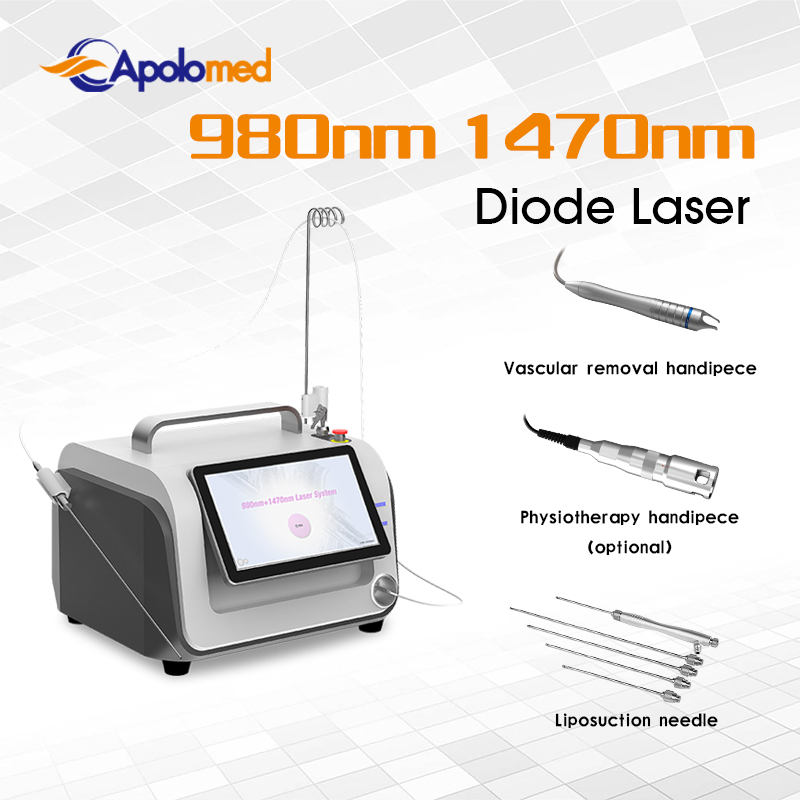
A laser body slimming device is a specialized tool that uses advanced fat reduction technology to help reshape the body. This device delivers focused laser energy through the skin, targeting fat cells beneath the surface. The process does not require incisions or anesthesia, making it a non-invasive option for those seeking to improve their body shape.
The main functions of a laser body slimming device include:
| Mechanism/Function | Description |
|---|---|
| Precision Targeting | Laser energy is delivered through skin layers, focusing directly on fat tissue without harming surrounding areas. |
| The Thermal Trigger | Heat alters fat cell membrane permeability, causing cells to release their contents without destruction. |
| Natural Lymphatic Elimination | Released fat is processed and eliminated by the body's lymphatic system over weeks. |
| Immediate Recovery | Non-invasive nature allows for minimal recovery time, enabling immediate return to daily activities. |
| Targeted Sculpting | Effectively addresses localized fat areas resistant to diet and exercise. |
| Results Are Not Instant | Full effects appear gradually as the body processes the released fat over several weeks. |
| It Is Not a Weight Loss Solution | Designed for body contouring, not for significant weight loss or obesity treatment. |
A typical session lasts about 25 minutes, and most people need three to five sessions for best results. The effects appear gradually as the body removes the released fat through natural processes. Devices like the Apolomed 980 Diode Laser Machine HS-895 offer customizable settings and precise targeting, making them a popular choice for clinics focused on noninvasive body contouring.
How It Differs from Traditional Methods
Traditional fat reduction methods, such as surgical liposuction, require anesthesia, incisions, and a longer recovery period. These procedures often lead to swelling, bruising, and downtime. In contrast, a laser body slimming device provides a noninvasive body contouring solution with minimal discomfort and almost no recovery time. Studies show that while noninvasive treatments like low-level laser therapy can reduce waist size, they do not cause significant weight loss. Instead, they help sculpt areas that resist diet and exercise.
Cost is another difference. Noninvasive laser treatments usually range from $2,500 to $5,500, depending on the area and number of sessions. Surgical options can cost much more and involve additional fees. For those seeking a safe, effective, and convenient approach, modern devices like the Apolomed 980 Diode Laser Machine HS-895 represent the latest in noninvasive fat reduction technology.
How Laser Body Slimming Devices Work
Mechanism of Fat Reduction
A laser body slimming device uses focused laser energy to reduce fat in targeted areas. The science behind this process relies on how specific wavelengths of light interact with fat cells. When the device emits laser energy, it penetrates the skin and reaches the fat layer. The fat cells absorb this energy, which heats them to a precise temperature. This heat creates small openings, or micropores, in the cell membranes. As a result, the fat inside the cells leaks out and enters the space between cells.
The body then processes and removes this released fat through natural metabolic pathways. Over time, the treated area becomes slimmer and more contoured. The following table summarizes the main scientific principles involved in this process:
| Principle | Description |
|---|---|
| Laser Wavelengths | Specific wavelengths (such as 980 nm) penetrate tissue and are absorbed by fat cells. |
| Temperature Threshold | Fat cells are heated to 42-47°C to trigger cell death; higher temperatures cause decomposition. |
| Micropore Formation | Heat forms temporary pores in fat cell membranes, allowing fat to escape. |
| Inflammation Response | The body’s immune system removes dead fat cells, aiding fat reduction. |
Low-level laser therapy (LLLT) also plays a role in noninvasive body contouring. LLLT stimulates the mitochondria in fat cells, which increases energy production. This process activates enzymes that break down stored fat into fatty acids and glycerol. These substances move out of the cells through the micropores, leading to a reduction in fat cell size.
Selective Photothermal Technology
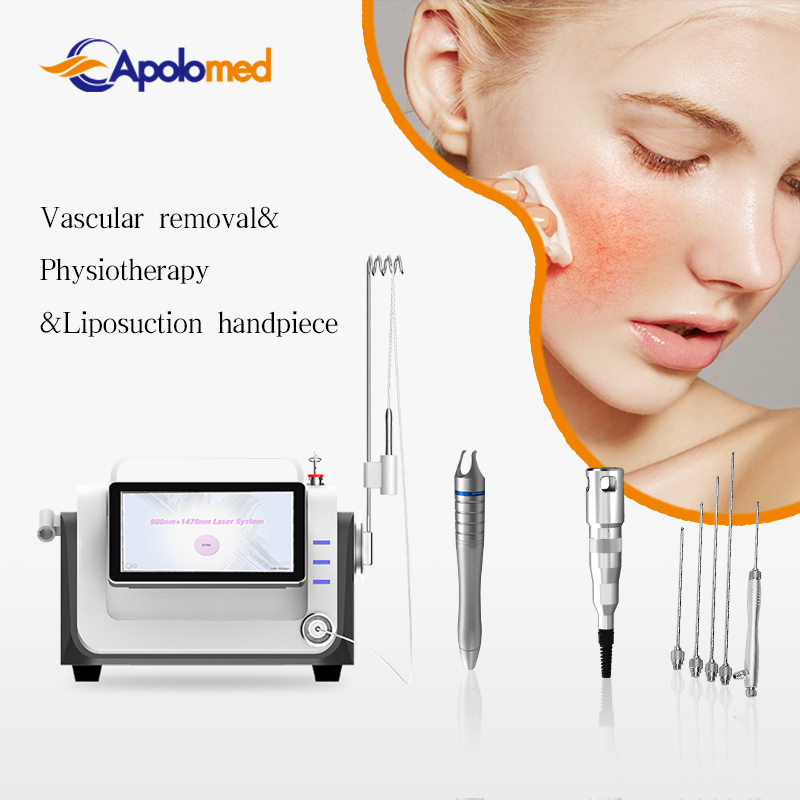
Selective photothermal technology is a key innovation in noninvasive body contouring. This technology allows the laser to target fat cells without harming the surrounding skin or tissues. The laser emits light at a wavelength that fat cells absorb more than other cells. When the fat cells absorb this energy, they heat up and break down, while the skin remains safe.
Recent studies show that photothermal therapy can enhance fat breakdown and promote body reshaping. For example:
·Photothermal-responsive materials, such as special hydrogels and nanoparticles, have shown excellent fat reduction in laboratory studies.
·These materials can reduce inflammation and inhibit fat accumulation in cells.
·Photothermal therapy increases the release of fatty acids and triggers fat cell death, which leads to a slimmer appearance.
·Advanced imaging techniques confirm that selective destruction of fat tissue is possible by optimizing the light source.
The Apolomed 980 Diode Laser Machine HS-895 uses this advanced technology. It delivers precise energy to the fat layer, ensuring effective results while keeping the skin safe. The device’s customizable settings allow practitioners to adjust the treatment for each patient’s needs.
Note: Selective photothermal technology helps achieve non-invasive fat reduction by focusing energy only where it is needed.
Targeting Fat and Vascular Lesions
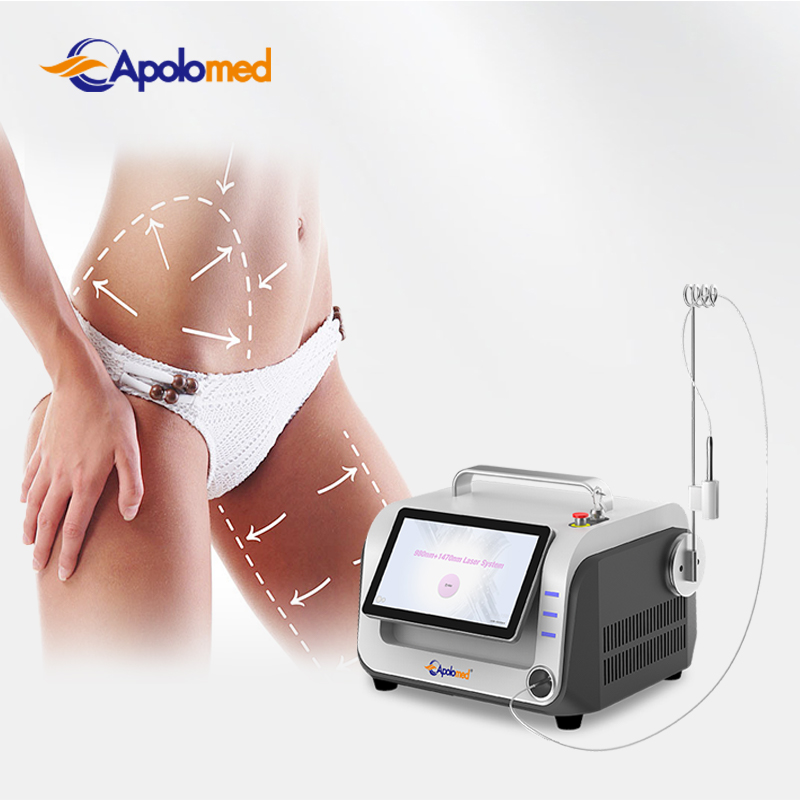
Laser body slimming devices can do more than just reduce fat. They also treat vascular lesions, such as spider veins and cherry angiomas. The principle behind this is called selective photothermolysis. The laser emits a wavelength that is absorbed by both fat cells and blood vessels. This targeted absorption heats and breaks down the unwanted cells or vessels, while the surrounding tissues stay unharmed.
The Apolomed 980 Diode Laser Machine HS-895 stands out in this area. It uses dual wavelengths (980 nm and 1470 nm) to treat both fat and vascular lesions with high precision. The device’s cooling system protects the skin during treatment, making the procedure safe and comfortable.
Laser body slimming devices offer a non-invasive solution for permanently eliminating fat cells and improving the appearance of vascular lesions. This combination of safety, effectiveness, and versatility makes them a popular choice for noninvasive body contouring in modern clinics.
Innovations in Laser Body Slimming Technology
Evolution of Laser Devices
Body sculpting has changed dramatically over the past decade. Early devices used single wavelengths and basic controls. Today, advanced technologies allow for more precise sculpting and improved safety. The table below shows how laser-based technologies have evolved:
| Laser Type | Wavelength (nm) | Key Advancements |
|---|---|---|
| Nd:YAG | 1,064 | Most studied with evidence for safety and tolerability. |
| 980 nm Diode | 980 | High power settings for dense fat areas like thighs and abdomen. |
| Nd:YAG (1,064/1,320) | 1,064/1,320 | Greater selectivity for dermal collagen, potential for skin tightening and neocollagenesis. |
| 1,320 | 1,320 | Converts hemoglobin to methemoglobin, enhancing hemostasis in vascular areas. |
| 1,440 Pulsed | 1,440 | 60 times greater selective absorption of water, leading to efficient fat coagulation. |
| Cellulaze (Superficial LAL) | N/A | Significant reduction in cellulite, thicker dermis, and improved skin elasticity. |
These advancements have made body sculpting safer and more effective for a wider range of people.
Dual Wavelength and Customization
Dual wavelength technology is a major step forward in body sculpting. This approach uses two different wavelengths to target fat and promote skin tightening at the same time. One wavelength breaks down fat tissue, while the other stimulates collagen for tightening. This combination leads to better sculpting results and improved skin appearance. Customizable treatments allow practitioners to adjust settings for each person, making the process safer and more comfortable. Features like real-time data monitoring, skin sensitivity adjustments, and temperature control help ensure safety and effectiveness.
Apolomed’s 980 Diode Laser Machine HS-895
Apolomed’s 980 Diode Laser Machine HS-895 stands out in the field of body sculpting. This device uses dual wavelengths (980nm and 1470nm) to deliver precise laser energy for fat reduction and skin tightening. The user-friendly interface, with an 11.6-inch touch screen, makes operation simple. Customizable treatments let practitioners tailor sculpting sessions to each client’s needs. The advanced cooling system and automatic safety features protect the skin and prevent overheating. The focused handpiece allows for accurate sculpting, even in small or delicate areas. This versatility makes the HS-895 an excellent choice for clinics seeking reliable and advanced technologies in body sculpting.
Types of Laser Technologies
Low-Level Laser Therapy (LLLT)
Low-level laser therapy is a popular choice for body sculpting. This technology uses low-intensity lasers to target fat cells without damaging the skin. During a session, the laser energy passes through the skin and reaches the fat layer. The fat cells absorb the energy, which causes them to release their contents. The body then removes the fat through natural processes. Low-level laser therapy is gentle and does not cause pain or require downtime. Many clinics use this method for sculpting small areas that do not respond to diet or exercise. Low-level laser therapy is also known for improving skin texture and supporting healthy tissue. People often choose this option for its safety and comfort. Apolomed’s HS-895 device offers advanced low-level laser therapy for effective body sculpting.
High-Intensity Laser Lipolysis
High-intensity laser lipolysis is another method used in body sculpting. This approach uses stronger laser energy to break down fat cells more quickly. The laser heats the fat cells until they are destroyed. The body then absorbs and removes the broken-down fat. High-intensity laser lipolysis is often used for larger areas or for people who want faster results. This method can also help tighten the skin by stimulating collagen. Some clinics combine high-intensity laser lipolysis with other technologies, such as ultrasound-based technologies, radiofrequency energy, or electrical muscle stimulation, to enhance sculpting results. The Apolomed HS-895 machine provides both high-intensity and low-level laser therapy, making it a versatile tool for body sculpting.
Comparison of Wavelengths
Different wavelengths play a key role in body sculpting. Each wavelength targets fat and skin in unique ways. Here is how some common wavelengths work:
·1064 nm wavelength: Reaches deep into tissue, helps with skin tightening, and boosts collagen.
·1320 nm wavelength: Focuses on fat cells, disrupts fat, and works at a shallower depth.
·Multi-wavelength systems: Combine several wavelengths for customized sculpting, improving both fat reduction and skin quality.
| Wavelength (nm) | Main Effect | Best Use |
|---|---|---|
| 980 | Precise fat targeting | Small, stubborn fat pockets |
| 1064 | Deep penetration, collagen | Skin tightening, body sculpting |
| 1320 | Fat cell disruption | Fat reduction |
Tip: Devices like the Apolomed HS-895 use dual wavelengths to offer both fat reduction and skin tightening in one sculpting session.
Comparing Leading Brands and Devices
Apolomed vs. Other Brands
Many clinics offer body sculpting devices from different brands. Each device uses unique technology for sculpting and fat reduction. Some popular options include cryolipolysis, high-intensity focused ultrasound, and acoustic wave therapy. Laser body sculpting devices, such as those from Apolomed, have become a top choice for many clinics. The table below shows how patient satisfaction rates compare across these technologies:
| Technology | Patient Satisfaction Rate |
|---|---|
| Cryolipolysis | 73% |
| High-Intensity Focused Ultrasound | 62.3% |
| Acoustic Wave Therapy | 64% |
| Laser Body Contouring | Moderate satisfaction |
Many patients report satisfaction with improved body contours and skin tightening after laser body sculpting. Results are usually mild to moderate, and several sessions may be needed for the best outcome. Apolomed’s devices stand out for their advanced features and reliable results in sculpting.
Unique Features of HS-895
The Apolomed 980 Diode Laser Machine HS-895 offers several features that set it apart in the body sculpting market. The device uses dual wavelengths (980nm and 1470nm) for precise sculpting and fat reduction. The user-friendly touch screen makes operation simple for practitioners. The handpiece focuses the laser beam for accurate sculpting, even in small areas. The cooling system keeps the skin safe during sculpting sessions. Customizable settings allow for tailored treatments, which helps clinics meet different sculpting needs. These features make the HS-895 a trusted choice for clinics that want to offer advanced body sculpting solutions.
Application Versatility
The HS-895 is not limited to just one type of body sculpting treatment. Clinics use this device for a wide range of sculpting applications. It can treat stubborn fat pockets, improve skin texture, and address vascular lesions like spider veins. The device also supports pain relief and physiotherapy, making it a versatile tool for modern clinics. Practitioners can adjust the sculpting settings to match each patient’s needs. This flexibility helps clinics deliver safe and effective sculpting results for many clients. Apolomed’s HS-895 is a strong choice for clinics that want to expand their body sculpting services.
Scientific Evidence and Safety
Clinical Studies on Effectiveness
Researchers have studied low-level laser therapy for body contouring and fat reduction technology. Many clinical trials show that this technology can help reduce stubborn fat pockets and improve body shape. In one study by Jackson et al. (2012), patients saw an average of 5.17 centimeters in circumference reduction after several sessions. The results were significant, with a p value less than 0.0001. Nestor et al. (2012) also found positive changes, though there was no change in BMI.
| Study | Method | Average Fat Reduction | Notes |
|---|---|---|---|
| Jackson et al. (2012) | Low-level laser therapy | 5.17 cm circumference loss | Significant results |
| Nestor et al. (2012) | Low-level laser therapy | Not specified | No BMI change |
Most patients can expect a 20% to 25% fat layer reduction in treated areas after one session. Larger areas like the abdomen or thighs often see about 25% reduction. Smaller areas, such as the chin, may see up to 80% reduction in some cases. A full course of therapy can lead to a total fat elimination of 35% to 45%. Devices like the Apolomed 980 Diode Laser Machine HS-895 use advanced laser energy for effective results.
Safety Profile and Side Effects
Low-level laser therapy is considered safe for most people. Common side effects include mild pain, numbness, temporary burning sensation, minor tenderness, redness, and slight swelling. Some patients may notice bruising or minor discomfort, but these effects usually fade quickly. Serious risks, such as infection or scar tissue, are rare. Most clinics report that patients return to normal activities right after treatment options. The technology also supports skin tightening and muscle toning, which adds to its appeal.
Note: Always choose a reputable clinic and device, such as Apolomed’s HS-895, to ensure safety and permanent results.
Regulatory Approvals
Laser body slimming devices must meet strict standards before use. In the United States, the FDA requires clearance through 510(k), De Novo, or PMA pathways. In the European Union, devices must have CE marking and follow EU MDR rules. South Korea’s MFDS also requires pre-market approval and K-GMP certification. These agencies check for safety, effectiveness, and quality. Devices like the Apolomed HS-895 meet these standards, making them trusted choices for clinics worldwide. Low-level laser therapy and skin tightening treatments must pass clinical evaluation and ongoing monitoring to stay on the market.
Who Should Consider Laser Body Slimming Devices?
Ideal Candidates
Laser body slimming devices suit people with localized fat deposits that resist diet and exercise. Those with stubborn fat pockets or larger fat areas, including some with severe obesity, may benefit. A functioning lymphatic system is essential because it helps process and remove the released fat. Candidates should have realistic expectations, understanding that these treatments focus on body contouring rather than significant weight loss. Pregnant women should avoid these procedures due to safety concerns.
People seeking skin tightening and muscle toning alongside fat layer reduction often find laser treatments helpful. Devices like Apolomed’s 980 Diode Laser Machine HS-895 provide customizable treatment options to fit individual needs, making them ideal for a wide range of patients.
Expected Results
Patients typically experience gradual improvements in body shape and skin tightening after several sessions. A 2025 meta-analysis found an average reduction of 7.28 cm in waist circumference following photobiomodulation treatments. Another study reported a mean combined circumference reduction of 10.52 cm after four weeks of laser therapy in obese individuals. Most patients report satisfaction with their results, especially regarding improved body contours and tightening effects.
Results tend to be mild to moderate and appear within a few weeks. Multiple sessions often produce the best outcomes. The procedure is non-invasive, allowing patients to return quickly to daily activities. While laser body slimming devices offer permanent fat layer reduction, they work best for refining the body rather than drastic weight loss. Additionally, some patients notice a reduction of cellulite and enhanced skin tightening, which improves overall appearance.
Risks and Limitations
Laser body slimming treatments have a strong safety profile when performed by professionals with proper expertise. Common side effects include mild redness, tenderness, temporary numbness, or slight swelling. These effects usually resolve quickly without lasting issues. Serious complications are rare but can occur if treatment protocols are not followed.
Patients should understand that results vary and depend on factors like lifestyle and individual response. Laser treatments do not replace healthy habits but complement them. Some limitations include the need for multiple sessions and the subtle nature of changes. Clinics using advanced devices such as Apolomed’s HS-895 ensure safety through built-in cooling systems and precise energy delivery, minimizing risks.
Tip: Always consult a qualified professional before starting treatment to discuss goals, risks, and the best treatment options for your body.
Laser body slimming devices offer a safe, effective way to target stubborn fat pockets, promote skin tightening, and support muscle toning. With professional expertise and realistic expectations, many patients achieve satisfying, permanent improvements in body contour.
Laser body slimming devices use advanced technology to target fat cells safely and effectively. Innovations like dual wavelengths and selective photothermal technology improve results. Choosing a trusted brand such as Apolomed’s HS-895 ensures safety and precision. Always consult a professional before starting treatment.
Future trends include:
·AI and machine learning for personalized laser settings
·Combination therapies with other non-surgical options
·Research on how different wavelengths affect fat metabolism
These advances will shape the next generation of body slimming solutions.
FAQ
What makes the Apolomed 980 Diode Laser Machine HS-895 effective for body slimming?
The HS-895 uses dual wavelengths (980nm and 1470nm) to target fat and tighten skin precisely. Its selective photothermal technology ensures safe, efficient fat reduction with minimal discomfort and fast recovery.
How many sessions are needed to see results with laser body slimming?
Most patients see noticeable changes after 3 to 5 sessions. Results improve gradually as the body naturally processes released fat over several weeks.
Is laser body slimming safe for all skin types?
Yes. Devices like Apolomed’s HS-895 have advanced cooling systems and customizable settings that protect skin across all types, minimizing risks and side effects.
Can laser body slimming replace diet and exercise?
No. Laser slimming targets stubborn fat pockets but does not replace healthy eating or physical activity. Combining treatments with lifestyle changes yields the best results.
Tip: Always consult a qualified professional to create a treatment plan tailored to your needs.
Post time: May-21-2026


