Many people wonder if a pdt led device can help their skin look and feel healthier. These devices support a wide range of skin types and concerns. Clinical studies show that a pdt led device can address acne, fine lines, age spots, and even redness from rosacea. It can also help with wound healing, scarring, and overall skin tone. Choosing the right pdt led device supports personal skin goals and safety. Brands like APOLOMED offer advanced options, such as the PDT LED-HS-770, for those seeking professional skin care results.
Here are some common skin concerns that a pdt led device can help with:
| Skin Concern | Description |
|---|---|
| Acne | Effective treatment for acne lesions |
| Fine lines and wrinkles | Reduces the appearance of aging signs |
| Age spots | Helps diminish hyperpigmentation and sun damage |
| Rosacea | Manages redness and inflammation |
| Scarring | Aids in the treatment of various types of scarring |
| Collagen production | Stimulates collagen for improved skin texture |
| Skin tone improvement | Enhances skin tone and reduces discoloration |
What Is PDT LED Device Phototherapy
How Light Therapy Works
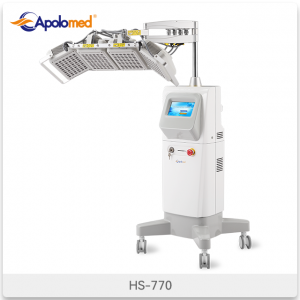
Phototherapy uses specific wavelengths of light to treat skin concerns. In photodynamic therapy, the process involves light and sometimes a photosensitizer. When the skin absorbs the light, it triggers reactions inside the cells. These reactions create reactive oxygen species, which can damage unwanted or unhealthy cells. The effectiveness of phototherapy depends on the wavelength and the amount of light delivered. For example, blue light targets bacteria and oil glands in the upper layers of the skin. Red light reaches deeper layers, where it helps reduce inflammation and stimulates collagen. Near-infrared light improves blood flow and supports tissue repair. Each type of light has a unique effect on the skin.
| Wavelength Range | Effect on Skin Health |
|---|---|
| Blue light (~415 nm) | Targets superficial epidermis, affecting bacteria and oil glands. |
| Red light (630-660 nm) | Stimulates collagen synthesis and reduces inflammation in deeper dermal layers. |
| Near-infrared (830-850 nm) | Improves circulation and facilitates tissue repair in subdermal tissues. |
Common Skin Concerns Treated
PDT led device phototherapy addresses many skin issues. People use photodynamic therapy for acne, actinic keratosis, and even some types of skin cancer. It also helps with wound healing, psoriasis, and rosacea. Many clinics report success in treating pre-cancerous lesions, inflamed dermatoses, and microbial infections. Studies show that phototherapy can reduce acne lesions by up to 60% after twelve weeks. It also improves skin elasticity, fine lines, and hyperpigmentation. Red light is effective for rejuvenation and collagen production. Blue light helps manage acne. Green light improves skin tone and reduces dark spots.
Clinical studies support the use of PDT led device phototherapy for acne vulgaris, wound healing, and actinic keratosis. Many patients see better skin texture and fewer blemishes after regular treatments.
About APOLOMED PDT LED-HS-770
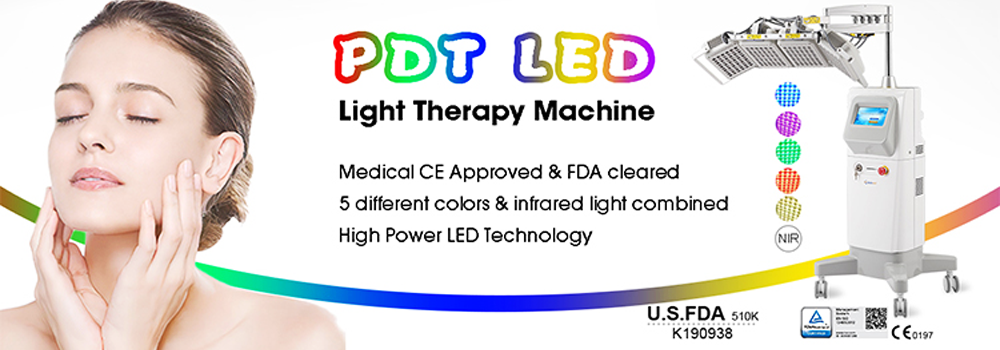
The APOLOMED PDT LED-HS-770 stands out in the field of phototherapy. This device holds TUV Medical CE certification, which means it meets strict safety and performance standards. The PDT LED-HS-770 uses powerful 12W LEDs, making it one of the strongest devices available. It offers multiple color options, including red, green, blue, yellow, pink, and infrared. Each color targets a different skin concern. The device features a flexible arm for easy positioning and a touch screen with preset and customizable treatment modes. These features make the PDT LED-HS-770 suitable for both beginners and professionals. The device’s certifications and advanced technology ensure reliable results for skin rejuvenation and healing.
| Feature | Description |
|---|---|
| Powerful LED Output | 12W/LED, the most powerful in the market, enhancing skin revival and hydration without photosensitizers. |
| Multiple Color Options | Offers various color selections for different treatment needs. |
| Flexible Treatment Arm | Articulated arm can be adjusted for various body parts, enhancing usability. |
| Smart Treatment Protocols | Includes a touch screen with preset modes for both new and skilled operators. |
Benefits of PDT LED Device for Skin
Effectiveness for Acne and Aging
PDT LED device therapy offers a wide range of clinical applications for skin rejuvenation. Many dermatologists use this therapy to address acne, fine lines, and other signs of aging. Red light penetrates deeply into the skin, stimulating fibroblast activity. This process boosts collagen and elastin production, which are essential for youthful skin. Clinical studies show that after 12 weeks of therapy, participants experienced a 20% improvement in wrinkle appearance. Another clinical trial found that 67% of subjects treated with 5% ALA and 633nm light exposure saw a significant reduction in fine lines. All subjects in this study reported softer skin. LightStim therapy, another form of LED therapy, has also shown clinical results in reducing wrinkles and fine lines after about 8 weeks of consistent use.
Acne treatment is another major application of PDT LED device therapy. Blue light targets bacteria and oil glands in the upper layers of the skin. Clinical results indicate that regular sessions can reduce acne lesions and improve overall skin texture. Many patients notice clearer skin and fewer breakouts after several weeks of therapy. These clinical results highlight the benefit of PDT LED devices for both acne and aging concerns.
Clinical tip: Consistent use of PDT LED therapy leads to gradual but noticeable improvements in skin rejuvenation and texture.
Safety and Side Effects
Safety remains a top priority in any skin therapy. PDT LED device therapy has a strong clinical safety profile. Most reported side effects are mild, temporary, and resolve on their own. The following table summarizes the most common side effects observed in clinical settings:
| Side Effect | Frequency | Duration | Notes |
|---|---|---|---|
| Post-treatment erythema | Occasional | 24 hours | Mild reaction, resolved without complications. |
| Mild warmth or redness | Occasional | Minutes to 1 hour | Normal response, not a burn. |
| Temporary skin tightness | Occasional | 30–60 minutes | Often reported with facial devices. |
| Mild headache | Rare | Hours | Usually resolves after initial sessions. |
| Temporary dryness | Rare | Hours | Manageable with post-treatment moisturization. |
Clinical research shows that these effects are usually mild and self-limiting. Patients often report mild warmth or redness at the treatment site, temporary skin tightness, or mild headache. Temporary dryness can occur but is manageable with moisturizers. The overall safety of PDT LED device therapy makes it suitable for a wide range of skin types, including sensitive skin.
Noninvasive Light Therapy
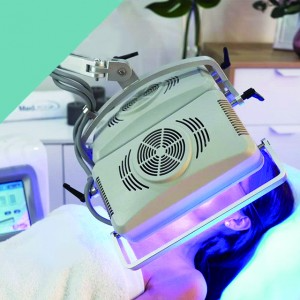
PDT LED device therapy stands out as a noninvasive option for skin rejuvenation. Unlike traditional treatments that may involve chemicals or invasive procedures, LED therapy uses specific wavelengths of visible and near-infrared light to stimulate cellular processes. This approach improves skin health and appearance without damaging the surface or deeper layers. Clinical studies confirm that LED therapy is nonablative and nonthermal, which means it does not cause burns or require recovery time. Patients can return to daily activities immediately after treatment.
Note: Noninvasive therapy reduces the risk of complications and makes the treatment accessible for those with sensitive skin or those seeking minimal downtime.
Advantages of APOLOMED PDT LED-HS-770
The APOLOMED PDT LED-HS-770 offers several advantages for clinical skin rejuvenation and healing. This device features powerful 12W LEDs and multiple color options, allowing for targeted applications across a variety of skin concerns. The flexible articulated arm enables treatment of larger areas, such as the face, shoulders, and legs. The 8-inch true color touch screen provides both preset and customizable protocols, making it user-friendly for both beginners and professionals.
The device holds certifications such as TUV Medical CE, ISO 13485, SGS ROHS, and US FDA clearance. These certifications ensure the highest standards of safety and clinical effectiveness. The PDT LED-HS-770 supports a wide range of clinical applications, from acne management to advanced skin rejuvenation. Its versatility and advanced technology deliver consistent results for patients seeking improved skin tone, reduced wrinkles, and accelerated wound healing.
Clinical professionals value the APOLOMED PDT LED-HS-770 for its reliability, safety, and ability to deliver visible results in skin rejuvenation and other applications.
Limitations and Risks
Who Should Avoid PDT LED Devices
Dermatological guidelines identify certain groups who should not use PDT LED devices. People with past histories of hyperphotosensitivity, porphyria, or allergies to ALA should avoid this therapy. These conditions increase the risk of adverse reactions. Providers screen patients for these contraindications before starting treatment. The following table shows the main contraindications:
| Contraindication |
|---|
| Past histories of hyperphotosensitivity |
| Porphyria |
| Allergic or hypersensitive to ALA |
Patients with these conditions may not experience improvement and could face complications. Providers recommend alternative clinical applications for these individuals.
Potential Side Effects
PDT LED device therapy offers many clinical applications for skin improvement, but some risk factors exist. Most patients experience mild-to-moderate acne vulgaris improvement, but side effects can occur. Common reactions include photosensitivity lasting about 24 hours, burning or stinging sensations, swelling, redness, crusting, itchiness, peeling, and blisters. Some patients report skin infections or need light protection with a dressing. Blistering, ulceration, scarring, and loss of pigmentation may develop in rare cases. Providers monitor patients closely to ensure safe outcomes.
·Photosensitivity lasting about 24 hours
·Burning or stinging sensation
·Swelling and redness
·Crusting
·Itchiness
·Peeling and blisters
·Skin infections
·Need for light protection with a dressing
·Potential for blistering and ulceration
·Risk of scarring and loss of pigmentation
Most side effects resolve quickly, but patients should follow aftercare instructions to support improvement.
Treatment Limitations
Studies show that PDT LED device therapy works well for mild-to-moderate acne vulgaris and photoaging, but some limitations exist. Many studies include small patient sample sizes, which restrict the generalizability of outcomes. The lack of blinding and sham placebo in studies can introduce bias. Varied treatment parameters and device performance differences complicate comparisons between studies. Blinding providers and patients in light-based studies remains difficult, affecting study integrity. The following table summarizes these limitations:
| Limitation | Description |
|---|---|
| Small patient sample sizes | Many studies included fewer than 20 participants, limiting the generalizability of the results. |
| Lack of blinding | The absence of blinding can introduce bias, affecting the reliability of the outcomes. |
| No sham placebo | Without a sham placebo, it is challenging to determine the true efficacy of the treatment. |
| Varied treatment parameters | Differences in treatment protocols complicate comparisons between studies and their outcomes. |
| Variability in device performance | Differences in light output and power densities among devices can lead to inconsistent results. |
| Challenges in blinding | Blinding both providers and patients in light-based studies is often difficult, impacting study integrity. |
Researchers continue to improve study designs to provide clearer outcomes. Patients should discuss expectations with providers and understand that improvement may vary based on individual factors and clinical applications.
Practical Considerations
Treatment Process
Dermatology clinics use PDT LED device therapy for a variety of skin disorders. Patients usually receive three sessions, spaced two to four weeks apart. The process often involves applying an ALA dye, which targets oil-producing glands and helps eliminate bacteria linked to acne. Clinics also use PDT for cosmetic procedures because it is non-invasive. Common applications include treating pre-cancerous lesions, keratosis, inflamed dermatoses, and microbial infections.
Patients should expect a straightforward procedure with minimal preparation and downtime.
Recovery and Aftercare
Recovery after PDT LED device therapy varies. Most people notice redness and peeling within the first week. These side effects typically resolve quickly. The average recovery time ranges from two to six weeks. Providers recommend gentle skin care and sun protection during this period. Patients should follow aftercare instructions to support healing and maximize results.
·Redness and peeling resolve within a week.
·Full recovery may take up to six weeks.
·Sun protection is important during recovery.
Pain and Comfort
Patients often compare pain and comfort levels between different treatments. PDT LED device therapy offers a comfortable experience for most users. The following table shows how patients rate pain and comfort:
| Treatment Type | Pain Level | Comfort Level |
|---|---|---|
| C-PDT | High | Low |
| SDL-PDT | None | High |
Most patients describe SDL-PDT as pleasant and relaxing.
Cost and Insurance
The cost of PDT LED device therapy per session ranges from $25 to $85. Prices depend on location and provider. Insurance coverage varies. Medicare covers 80% of photodynamic therapy for actinic keratosis on the face and scalp. Standard commercial insurances may cover a large percentage, but coverage for other areas depends on individual plans.
·Medicare covers most treatments for actinic keratosis.
·Commercial insurance may cover other conditions.
·Coverage for neck, chest, arms, and hands varies.
Choosing the Right PDT LED Device
Selecting a PDT LED device requires careful evaluation. Key criteria include treatment indications, wavelength configuration, irradiance level, treatment time, area size, device form factor, stability, regulatory compliance, after-sales support, and total cost of ownership.
| Criteria | Description |
|---|---|
| Treatment indications | Conditions the device treats |
| Wavelength configuration | Range of wavelengths emitted |
| Irradiance level | Power output per unit area |
| Treatment time | Duration of use |
| Treatment area size | Size of area treated |
| Device form factor | Design and portability |
| Device stability | Longevity and robustness |
| Regulatory compliance | Safety and efficacy standards |
| After-sales support | Customer service and spare parts |
| Total cost of ownership | Expenses including maintenance |
The APOLOMED PDT LED-HS-770 meets high standards for versatility, safety, and regulatory compliance. Its powerful LEDs, multiple color options, and user-friendly design make it suitable for both clinical and home use.
People can weigh the pros and cons of PDT LED device therapy by looking at their skin type, main concerns, and budget. They should check device features like adjustable light intensity and safety. Dermatologists recommend choosing devices with FDA clearance, proper irradiance, and medical-grade materials. Those who select trusted brands, such as APOLOMED and the PDT LED-HS-770, often report high satisfaction. Consulting a dermatologist helps ensure satisfaction and safe results that match personal skincare goals.
FAQ
What skin types can use PDT LED device therapy?
Most skin types can benefit from PDT LED device therapy. People with sensitive, oily, or combination skin often see positive results. Dermatologists recommend a patch test before starting full treatments.
How soon will results appear after PDT LED therapy?
Many users notice improvements within two to four weeks. Results depend on the skin concern and treatment frequency. Consistent sessions lead to better outcomes.
Is PDT LED device therapy painful?
Most people describe the treatment as comfortable. Some may feel mild warmth or tingling. The procedure does not require anesthesia or numbing cream.
Can people use PDT LED devices at home?
Yes, some PDT LED devices are designed for home use. Users should follow instructions and safety guidelines. Devices like the APOLOMED PDT LED-HS-770 offer user-friendly features for both clinics and home settings.
Post time: Apr-24-2026


