A q-switch nd yag laser delivers proven clinical results for tattoo removal and pigmentation therapy. Active q-switched technology uses ultra-short nanosecond pulses to break pigment with high precision while minimizing thermal damage. This guide helps patients and practitioners understand treatment effectiveness, expected timelines, safety profiles, and cost considerations before choosing q-switched nd:yag laser therapy.
Effectiveness of Q-Switch Nd YAG Laser
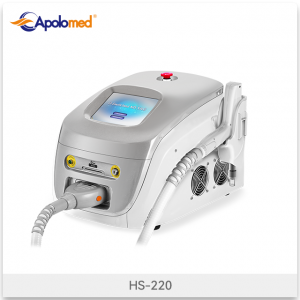
Clinical Evidence and Patient Satisfaction
The q‑switch nd yag laser gives strong results for tattoo removal and skin pigment issues. Clinical data backs up real-world reports from patients. In a controlled study, 77% of black tattoos achieved excellent clearance after four sessions. This demonstrates how effective q‑switched laser therapy can be when delivered by experienced providers.
One patient reported, "My black ink faded significantly after 6 sessions." This story matches what many patients see. The q‑switched lasers are well known for removing tattoos. They work by breaking apart pigment particles, after which the body removes these particles naturally. Tattoo removal with q‑switched lasers delivers steady, predictable results across multiple sessions.
Tattoo Removal Results by Ink Type
Patients often ask about results for different tattoo types. Amateur tattoos respond better than professional ones. For amateur black tattoos, 79% of patients saw over 75% fading after 1 to 5 treatments. Professional black tattoos also did well—about 74% reached the same fading level, but needed an average of 6.3 sessions. The q‑switched nd:yag laser works especially well for black and blue inks.
Overall, patients see an average drop of 64.1% in visible tattoo pigment after an average of 2.5 sessions. Fading continues for up to one year after the last session. Several factors influence results: men tend to have less fading than women, multi-color tattoos clear better than single-color ones, small tattoos clear more easily than large ones, and tattoos on the head and neck respond better than those on limbs. Lighter inks like green and yellow are harder to remove and require more sessions—the 532 nm wavelength targets these pigments specifically. A skilled provider adjusts settings for each ink color to maximize tattoo removal outcomes.
Pigmentation and Melasma Outcomes
Low-Fluence Q-Switched Nd:YAG for Melasma
For skin pigment issues like melasma, the q‑switched nd:yag laser offers another effective choice. Low‑fluence Q‑Switched Nd:YAG laser therapy (LFQSNY) has become a top melasma treatment since 2000, particularly for Asian patients. It safely reduces pigment through repeated sessions by lowering melanosome numbers and blocking melanogenesis‑related proteins.
A review of 42 studies confirmed LFQSNY as an effective melasma treatment with a good safety profile when settings are correct. Combining it with topical creams further reduces side effects. Clinical studies show strong results: one study found a mean MASI drop from 12.84 to 7.29 after 8 sessions, with about 70% of patients achieving moderate to good improvement. Another study showed a mean mMASI drop from 6.7 to 3.2, with nearly 59% of patients reporting at least 50% reduction in severity. The q‑switched lasers provide real, measurable improvement for melasma sufferers.
Pain and Discomfort During Treatment
What Patients Report
New patients worry most about pain during q-switched laser sessions. Most people describe the discomfort as moderate—often like a quick snap or rubber band snapping against the skin. Each pulse feels sharp but lasts only a fraction of a second. A study on lip dark spot treatment found an average pain score of 4.08 out of 10, even on this sensitive facial area.
The q-switched nd:yag laser delivers energy in extremely short pulses, which greatly limits how long discomfort lasts. Numbing cream makes a significant difference for most patients, and ice packs or cold air machines provide additional relief. Patients with low pain tolerance still do well when proper numbing protocols are followed.
Sessions and Timeline Expectations
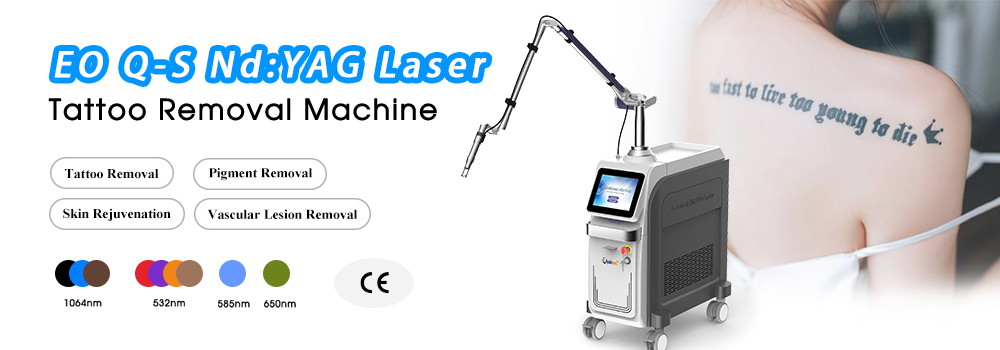
How Many Sessions Are Needed?
Amateur tattoos usually need 4 to 6 sessions with regular q-switched therapy. Professional tattoos require more—typically 14 to 16 sessions. For melasma, patients typically need 5 to 8 sessions spaced 4 to 8 weeks apart. Some advanced protocols like the R0 technique only need 1 to 4 sessions, while the KD scale predicts 7 to 14 sessions with an average of 9.7.
Results show up gradually. Most patients start to see fading after 2 to 3 sessions. Studies confirm that significant fading is often visible after two to three sessions, with full results appearing months after the final treatment. One patient summed it up: "The waiting game was hard, but it was worth it." Each session builds on the previous one, and the body continues to clear pigment between appointments.
Cost vs. Value Analysis
What Patients Pay
The price of q-switch nd yag laser treatment varies by tattoo size, clinic location, and number of sessions needed. Pigmentation treatments are often less costly than full tattoo removal. Many clinics offer package deals that lower the per-session price—asking about package pricing before starting therapy can save hundreds of dollars.
For most patients, the long-term benefit makes the cost worthwhile. A tattoo they hated for years finally goes away, or stubborn melasma fades significantly. The q-switched lasers deliver a permanent fix that improves daily confidence. This value extends beyond the financial investment.
Is It Worth the Investment?
Most patients say yes, with one important caveat: the q-switched lasers work best when a skilled provider uses them. A poorly trained provider can waste sessions with wrong settings or wavelength choices. Patients who chose skilled providers reported high satisfaction, while those who picked cheaper, less skilled clinics often regretted it. Always check before-and-after photos and read reviews about the clinic's results before committing. The therapy is a good investment when the tools and provider work together correctly.
Side Effects and Risks
Common and Rare Adverse Effects
Common side effects after q-switched laser treatment include redness, swelling, itching, and mild scabbing. These are temporary and resolve within a few days. Post-inflammatory hyperpigmentation (PIH) is a possible side effect that can appear weeks after treatment and may take months to resolve—darker skin types and high fluence settings carry higher risk.
Atrophic scarring is rare but serious, typically occurring with aggressive treatment or high fluence. Patients with melasma need extra caution, and providers must adjust settings carefully. The safety profile of the q-switched lasers is good when correct protocols are followed. Most patients accept these risks given the substantial benefits, especially with a skilled practitioner managing the treatment plan.
The q-switch nd yag laser is worth it for most people who have realistic expectations. Key success factors include selecting an experienced provider, following the full treatment plan, and maintaining patience between sessions. Clinics that use quality q-switched devices consistently deliver better outcomes. Each q-switched session builds toward lasting change—trust the process and commit to the full course.
FAQ
Q How does the Q-Switch Nd YAG Laser remove tattoos?
The q-switched laser breaks ink with ultra-short, high-energy pulses. The body's natural processes then remove the shattered pigment fragments over time.
Q What skin conditions does the Q-Switch Nd YAG Laser treat?
The q-switched laser effectively treats melasma, freckles, sun spots, and tattoos. Each condition responds well to q-switched therapy with gradual, visible improvement.
Q How many sessions does tattoo removal require?
Amateur tattoos need 4 to 6 q-switched sessions, while professional tattoos require 14 to 16 q-switched sessions. Results build gradually over time.
Q Is the Q-Switch Nd YAG Laser safe for all skin types?
Yes, q-switched lasers are safe for all skin types. Darker skin tones require careful q-switched settings, and a skilled provider ensures optimal safety.
Q What is the pain level during treatment?
Most patients describe the pain as moderate, like a rubber band snap. Numbing cream significantly reduces discomfort during q-switched laser sessions.
Q How much does Q-Switch Nd YAG Laser treatment cost?
Costs vary by clinic, treatment area, and number of sessions. Tattoo removal sessions can be expensive, while pigmentation treatments are often less costly. Package deals can reduce the per-session price significantly.
Post time: Sep-02-2026


