Laser tattoo removal stands out as the most advanced tattoo removal treatment available today. The Picosecond ND YAG Laser HS-298N by apolomed offers greater effectiveness and safety than traditional methods. Laser tattoo removal works by breaking down ink particles with minimal discomfort and faster recovery. Traditional tattoo removal can cause more pain and higher risks of scarring. Patients now have more tattoo removal options, but laser tattoo removal provides reliable results for different skin types and tattoo colors.
Laser Tattoo Removal vs Traditional Methods
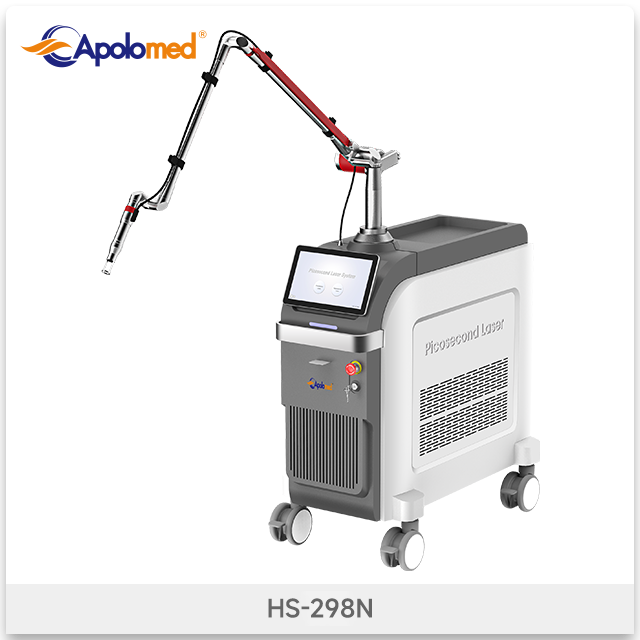
Picosecond ND YAG Laser HS-298N Overview
The Picosecond ND YAG Laser HS-298N by apolomed represents a new era in tattoo removal. This device uses advanced picosure technology to break down tattoo ink quickly and safely. The HS-298N offers both picosecond and nanosecond pulse modes, which means it can target different ink colors and depths. The dualwave system (1064/532nm) allows for precise treatment on various skin types. The spot size can be adjusted from 2 to 10mm, making it suitable for both small and large tattoos.
apolomed’s HS-298N stands out because of its high peak power and ultra-short pulses. These features help reduce discomfort and speed up recovery. The air cooling system keeps the skin comfortable during treatment. The device also includes an imported articulated arm for easy movement and RF ID management for secure operation. The HS-298N meets RoHS, FDA, and CE standards, ensuring safety and reliability.
| Feature | Specification | Benefit |
|---|---|---|
| Certification | RoHS, FDA, CE | Meets safety standards |
| Cooling System | Air | Keeps skin comfortable |
| Laser Type | Nd:YAG | High precision, minimal tissue damage |
| Power Modes | Pulsed | Better control and efficiency |
| Warranty | 1.5 years | Reliable and secure investment |
Many patients choose picosure tattoo removal because it requires fewer sessions and causes less pain than older methods. Results are often long-lasting, and the risk of scarring is low.
Traditional Tattoo Removal Techniques
Traditional tattoo removal methods include dermabrasion, salabrasion, excision, and chemical removal. These techniques often involve scraping or cutting the skin to remove ink. The process can be painful and may lead to scarring or infection. Recovery times are usually longer, and more sessions are needed to see results.
| Method | Effectiveness | Pain Level | Sessions Required | Recovery Time |
|---|---|---|---|---|
| YAG Laser | High | Moderate | 3-10 | 1-2 weeks |
| Traditional Methods | Variable | High | 5-15 | 2-4 weeks |
Patients often report that picosure tattoo removal is less painful than traditional methods. Picosure technology also provides more consistent results, especially for stubborn or colorful tattoos. Laser tattoo removal with picosure is now the preferred choice for many people who want safe and effective tattoo removal.
Note: Picosure tattoo removal offers a modern solution with less pain, fewer sessions, and faster healing compared to traditional methods.
How Laser Tattoo Removal Works
Dualwave System and Pulse Modes
The Picosecond ND YAG Laser HS-298N uses advanced technology to remove tattoos. The dualwave system works with two different wavelengths: 1064nm and 532nm. Each wavelength targets different ink colors. This makes the device effective for many tattoo types. The laser can switch between picosecond and nanosecond pulse modes. Picosecond pulses break ink into tiny particles. Nanosecond pulses work well for deeper ink. The spot size can be adjusted from 2mm to 10mm. This feature helps treat both small and large tattoos with precision.
The device also uses an imported articulated arm. This arm moves smoothly and allows the operator to reach any area of the skin. The RF ID management system keeps the operation safe and secure. These features make the laser easy to use in clinics and medical offices.
High Peak Power and Minimal Discomfort
The Picosecond ND YAG Laser HS-298N delivers high peak power in very short pulses. This means the energy breaks up ink quickly without damaging the skin. Patients often feel less pain during treatment. The air cooling system keeps the skin comfortable. Most people notice faster recovery after each session.
This laser has many medical and surgical uses. It can help remove birthmarks, age spots, and other skin marks. The device also stimulates collagen production. Collagen helps the skin heal and look healthy. Some patients see improvement in scars and fine lines after treatment.
Tip: Always follow aftercare instructions from your provider. This helps your skin heal and reduces the risk of side effects.
The Picosecond ND YAG Laser HS-298N offers a modern solution for tattoo removal. It combines advanced technology with patient comfort and safety.
How Traditional Tattoo Removal Works
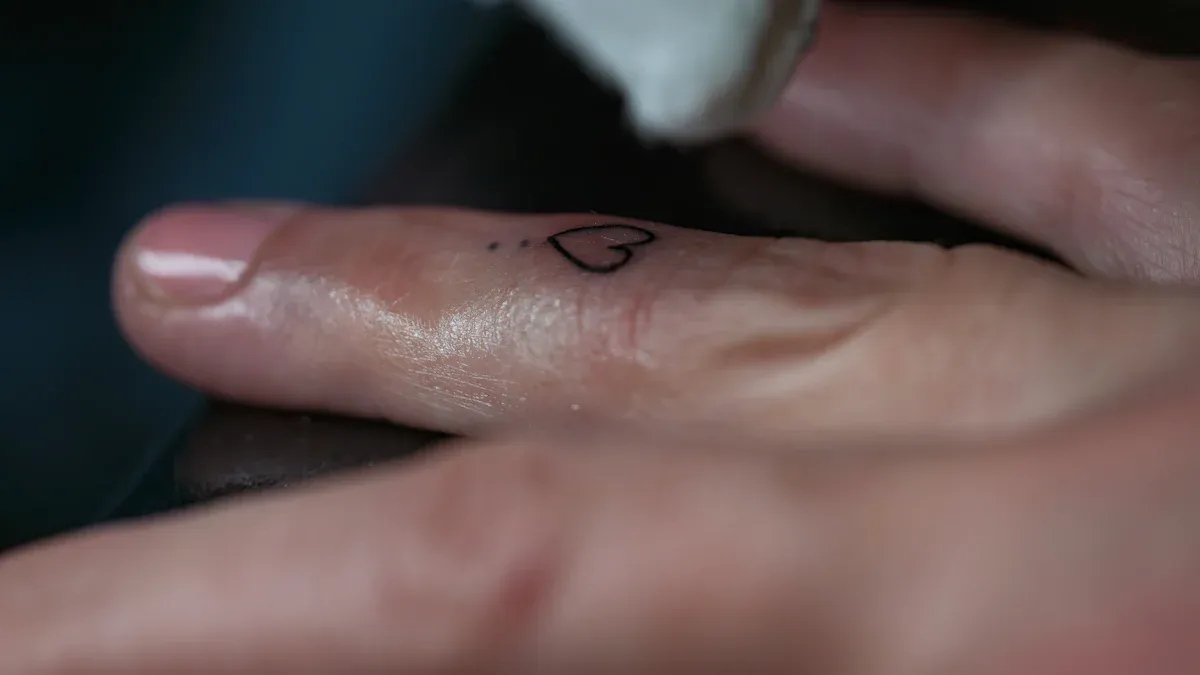
Dermabrasion and Salabrasion
Dermabrasion and salabrasion are two of the oldest ways to remove tattoos. Dermabrasion uses a rotating device to sand away the top layers of skin. Salabrasion uses salt and a rough tool to rub the skin and remove ink. Both methods can be painful and often require several sessions. The skin may bleed and take weeks to heal. Scarring is common, and the skin may lose its normal color. Many people still see parts of the tattoo after treatment.
The table below shows the typical outcomes and success rates for these methods:
| Method | Outcomes | Success Rates |
|---|---|---|
| Dermabrasion | Can lead to significant scarring, loss of normal skin pigment, and residual tattoo. | Usually requires multiple treatments to minimize scarring. |
| Salabrasion | Results in significant scarring, loss of pigment, and residual tattoo. | Not recommended due to high risk of scarring. |
Excision and Chemical Removal
Excision is a surgical method. A doctor cuts out the tattooed skin and stitches the edges together. This method works best for small tattoos. It can remove the tattoo completely, but it leaves a scar. Chemical removal uses acids or other chemicals to break down the ink. This method can damage the skin and often causes scarring or changes in skin color.
| Method | Outcomes | Success Rates |
|---|---|---|
| Excision | Effectively removes the tattoo but leaves a linear scar. | Complete removal possible, but risks of debilitating scars. |
Traditional tattoo removal methods have many risks. Scarring, pain, and uneven skin color are common. These methods often need many treatments, and results can be unpredictable.
Note: Laser tattoo removal is safer and more effective than traditional methods. It targets tattoo ink without harming the skin around it. Fewer sessions are needed, and the risk of scarring is much lower. Most patients find laser treatments less painful and easier to tolerate.
·Laser tattoo removal offers better precision and higher success rates.
·Traditional tattoo removal can take months or years and may not fully remove the tattoo.
·Laser treatments help keep the skin healthy and reduce the chance of scars.
Effectiveness Comparison
Laser Tattoo Removal Results
Laser tattoo removal has changed the way people approach tattoo removal treatment. The Picosecond ND YAG Laser HS-298N by apolomed uses advanced picosure technology to deliver proven clinical effectiveness. This laser works on a wide range of tattoo colors, including stubborn blues and greens. The dualwave system allows the device to target both deep and shallow ink. Picosure tattoo removal breaks ink into tiny particles, making it easier for the body to clear them away.
Many patients see real results after just a few sessions. The laser can remove tattoos of different sizes and shapes. It works well on both old and new tattoos. The adjustable spot size lets providers treat small details and large areas with equal precision. Picosure tattoo removal is effective for all skin types. The HS-298N stimulates collagen, which helps the skin heal and reduces the risk of scarring.
The table below shows how laser tattoo removal compares to other tattoo removal options:
| Method | Effectiveness | Pain Level | Side Effects |
|---|---|---|---|
| Laser Tattoo Removal | Very High | Low | Minimal side effects, effective for various ink colors |
| Surgical Excision | High | High | Risk of infection, scarring |
| Cryosurgery | Moderate | Moderate | Significant risk of scarring |
| Salabrasion | Low | High | Painful, poor effectiveness |
Laser tattoo removal stands out for its better results and minimal discomfort. Picosure technology offers faster healing and fewer sessions. Patients often report that picosure tattoo removal provides consistent outcomes, even for tattoos with multiple colors. Comparing picosure and traditional methods shows that laser tattoo removal is the most reliable choice for those seeking safe and effective tattoo removal options.
Note: The versatility of the HS-298N makes it suitable for medical and surgical applications. It can remove tattoos, birthmarks, and other skin marks with high precision.
Traditional Methods Results
Traditional tattoo removal methods include excision, salabrasion, and cryosurgery. These techniques often cause pain and leave scars. Surgical excision can remove small tattoos, but it leaves a visible scar. Salabrasion uses salt to rub away the skin, which is painful and rarely removes the tattoo completely. Cryosurgery freezes the skin, but it does not work well for all tattoo types.
Traditional methods struggle with colorful tattoos and larger designs. They are less effective for tattoos with multiple ink colors. Many patients need several treatments, and the results are often uneven. Traditional laser tattoo removal uses older technology, which may not work as well on certain ink colors.
The effectiveness of traditional methods depends on the tattoo’s size, color, and location. Most patients experience side effects such as scarring, infection, or changes in skin color. These risks make traditional tattoo removal less appealing compared to picosure tattoo removal.
Tip: Always ask your provider about the risks and expected outcomes before choosing a tattoo removal treatment.
Comparing picosure and traditional methods shows that picosure tattoo removal delivers better results for a wider range of tattoos. The HS-298N by apolomed offers proven clinical effectiveness and real results, making it the preferred choice for those seeking safe and reliable tattoo removal options.
Safety and Side Effec
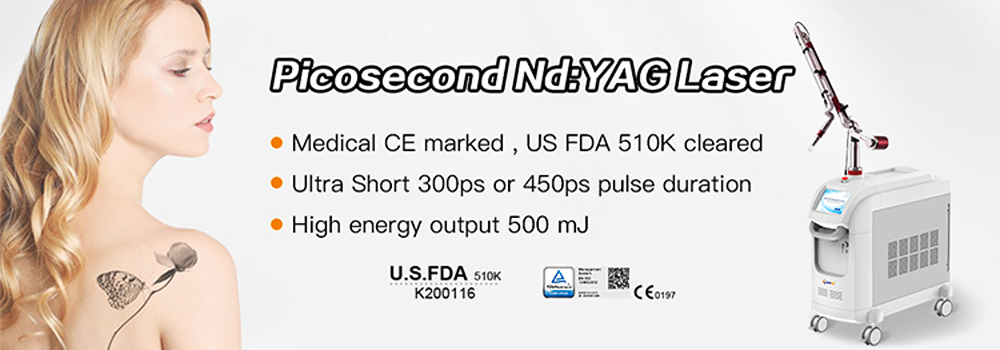
Laser Tattoo Removal Risks
Laser tattoo removal with the Picosecond ND YAG Laser HS-298N is considered safe for most people. The advanced technology in this laser helps reduce the risk of serious side effects. Most patients experience only mild discomfort during the procedure. The air cooling system and precise energy control make the treatment more comfortable.
Some risks and complications can still occur. These are usually mild and temporary. The table below shows the most common risks and complications for laser tattoo removal with the HS-298N:
| Type of Complication | Description |
|---|---|
| Immediate | Pain, blisters, crusting, pinpoint hemorrhage, acute allergic reactions |
| Delayed | Hypopigmentation, hyperpigmentation, local allergic reactions, paradoxical darkening, textural changes, scarring |
Most side effects, such as redness or swelling, go away within a few days. Blisters or crusting may appear but usually heal quickly. Some people notice changes in skin color, like lighter or darker spots. These changes often fade over time. Scarring is rare when using the HS-298N, especially if patients follow aftercare instructions.
The HS-298N offers minimal discomfort and faster recovery compared to older lasers. The dualwave system and adjustable spot size allow for precise treatment. This reduces the chance of damaging healthy skin. Providers can treat a wide range of tattoos safely and effectively.
Note: Always tell your provider about any allergies or skin conditions before starting laser tattoo removal. This helps prevent unwanted reactions.
Traditional Tattoo Removal Risks
Traditional tattoo removal methods, such as dermabrasion and chemical removal, carry higher risks. These methods often damage the top layers of skin. The healing process can be slow and painful. Many patients report more side effects with traditional methods than with laser tattoo removal.
Common risks and complications of traditional tattoo removal include:
·Significant scarring and infection, especially with dermabrasion.
·Skin irritation and discoloration after chemical peels.
·Hyperpigmentation (darker skin) and hypopigmentation (lighter skin) after dermabrasion.
·Long-term pigmentation differences from topical bleaching creams.
·Increased risk of infection and scarring after dermabrasion.
·Persistent skin irritation and scarring from chemical peels.
Traditional laser tattoo removal, which uses older technology, may also cause more discomfort and longer recovery times. Comparing picosure and traditional methods shows that the HS-298N provides a safer and more comfortable experience.
Tip: Patients should always ask about possible side effects before choosing a tattoo removal method. Proper aftercare can help reduce risks and improve results.
Laser tattoo removal with the Picosecond ND YAG Laser HS-298N stands out for its safety and minimal side effects. Traditional methods often lead to more pain, scarring, and skin changes. Choosing the right method can make a big difference in your recovery and satisfaction.
Pain and Comfort
Laser Tattoo Removal Experience
Laser tattoo removal with the Picosecond ND YAG Laser HS-298N offers a modern approach to managing pain and discomfort. Most patients describe the sensation as feeling like tiny pinpricks on the skin. Some compare it to the snapping of a rubber band. The air cooling system in the HS-298N helps keep the skin comfortable during treatment. Providers can adjust the spot size and energy settings, which allows for a more personalized experience.
Many people find laser tattoo removal much more tolerable than traditional methods. The discomfort usually lasts only for the duration of the session, which is often brief. After treatment, the skin may feel sensitive or slightly warm. These sensations fade quickly. The advanced technology of the HS-298N reduces pain and speeds up recovery. Patients often return to their daily activities soon after the procedure.
Note: The level of discomfort can vary based on the tattoo’s size, location, and color. Most patients report that the pain is manageable and does not interfere with their routine.
Traditional Methods Pain Level
Traditional tattoo removal methods, such as dermabrasion and excision, are known for causing significant pain. These techniques often involve scraping or cutting the skin, which can lead to prolonged discomfort. Healing takes longer, and the risk of skin damage is higher.
The table below compares pain levels for different tattoo removal methods:
| Method | Pain Level Description |
|---|---|
| Laser Tattoo Removal | Discomfort ranging from minor to extreme, likened to tiny pinpricks or snapping of a rubber band. |
| Traditional Methods | Generally more painful, with potential for significant skin damage. |
| Tatt2Away® | Reported to be less painful than laser removal, offering a more comfortable experience. |
Patients who undergo traditional methods often need pain relief during and after the procedure. The discomfort can last for days or weeks. Many people find these methods difficult to tolerate, especially when compared to laser tattoo removal.
·Dermabrasion and excision cause more pain and longer recovery.
·Chemical removal may lead to burning sensations and irritation.
·Traditional methods increase the risk of scarring and infection.
Tip: Always ask your provider about pain management options before choosing a tattoo removal method.
Sessions and Recovery
Laser Tattoo Removal Timeline
Laser tattoo removal with the Picosecond ND YAG Laser HS-298N follows a clear timeline. Most patients need between three and ten sessions to see full results. The number of sessions depends on the tattoo’s size, color, and age. Each session usually lasts from fifteen to thirty minutes. The laser targets ink particles and breaks them down so the body can remove them.
After each session, the skin may look red or swollen. These effects fade within a few days. Most people return to normal activities right away. The advanced cooling system in the HS-298N helps reduce discomfort and speeds up healing. Providers recommend waiting four to six weeks between sessions. This gives the skin time to recover and allows the laser to work on deeper ink layers.
Tip: Follow aftercare instructions to help your skin heal faster and reduce side effects.
Traditional Methods Timeline
Traditional tattoo removal methods take longer and require more sessions. Dermabrasion and salabrasion often need five to fifteen treatments. Each session can last up to an hour. Healing after each session takes two to four weeks. The skin may bleed, scab, or scar. Patients must avoid sun exposure and keep the area clean.
Excision removes small tattoos in one session, but recovery can take several weeks. Chemical removal may need multiple treatments. The skin often feels sore and irritated for days. Scarring is common, and the area may look different after healing.
| Method | Sessions Needed | Recovery Time per Session |
|---|---|---|
| Laser Tattoo Removal | 3-10 | 1-2 weeks |
| Dermabrasion | 5-15 | 2-4 weeks |
| Excision | 1 | Several weeks |
| Chemical Removal | Multiple | Days to weeks |
Laser tattoo removal offers a faster and easier recovery compared to traditional methods. The HS-298N provides a comfortable experience and helps keep the skin healthy.
Scarring and Skin Health
Laser Tattoo Removal Scarring Risk
Laser tattoo removal with advanced devices like the Picosecond ND YAG Laser HS-298N offers a low risk of scarring. The laser targets ink particles without harming the surrounding skin. Most patients experience only mild side effects, such as temporary redness or swelling. Scarring is rare when the procedure is performed by trained professionals.
A large study found that adverse effects from laser tattoo removal occurred in only 6.2% of patients. The most common issue was hyperpigmentation, which affected 4.8% of patients. This shows that scarring is uncommon and usually preventable with proper technique and aftercare.
Key benefits of laser tattoo removal for skin health:
·Precise targeting of tattoo pigments preserves healthy skin.
·Minimal skin trauma leads to faster healing.
·Advanced technology reduces the risk of permanent scars.
Laser tattoo removal promotes better long-term skin health. Patients often see improvement in skin texture and reduced appearance of scars after treatment.
Traditional Methods Scarring Risk
Traditional tattoo removal methods, such as dermabrasion, salabrasion, and surgical excision, carry a much higher risk of scarring. These techniques often damage the top layers of skin. The process can cause significant trauma, leading to permanent scars and changes in skin color.
Common risks with traditional methods:
·Significant skin trauma and permanent scarring.
·Loss of normal skin pigment.
·Increased risk of infection and slow healing.
| Method | Scarring Risk | Skin Health Outcome |
|---|---|---|
| Dermabrasion | High | Permanent scars, pigment loss |
| Salabrasion | High | Scarring, uneven skin color |
| Surgical Excision | High | Linear scars, skin changes |
Laser tattoo removal stands out as the safer option. It minimizes damage and helps maintain healthy skin, while traditional methods often leave lasting marks.
Versatility and Suitability
Laser Tattoo Removal for Different Tattoos
Laser tattoo removal with the Picosecond ND YAG Laser HS-298N offers a flexible solution for many tattoo types. This advanced laser is designed to treat tattoos of different sizes, colors, and ages. It uses ultra-short pulses of energy to break up ink particles without harming the surrounding skin. This feature is important for tattoos that have been on the skin for many years or use bright colors. The adjustable spot size allows the provider to target both small details and large areas.
Many people choose laser tattoo removal because it works well on both new and old tattoos. The dualwave system can treat a wide range of ink colors, including those that are usually hard to remove. The laser also helps the skin heal by stimulating collagen, which can improve the look of scars and fine lines. Patients with different skin types can benefit from this technology. The process is safe, and the results are reliable for most tattoos.
Tip: Always ask your provider if your tattoo’s color and age are suitable for laser treatment.
Traditional Methods for Various Tattoo Types
Traditional tattoo removal methods have several limitations when treating different tattoo types and skin tones. These methods often do not work well for colorful or large tattoos. The risk of scarring and skin changes is higher. Some of the main challenges include:
·Skin tone limitations make it hard to treat darker skin safely.
·Ink color limitations mean some colors may not respond to treatment.
·Adverse reactions, such as changes in skin color, can happen if the method is not used correctly.
Traditional methods like dermabrasion and excision are less precise than laser treatments. They may not remove all ink, especially in multi-colored or older tattoos. Many patients experience uneven results and longer healing times.
Note: Laser tattoo removal is usually the preferred choice for people who want safe and effective results across a variety of tattoo types.
Procedure and Aftercare
Laser Tattoo Removal Process
Laser tattoo removal begins with a consultation. The provider examines the tattoo and explains the treatment plan. The skin gets cleaned before the session starts. The Picosecond ND YAG Laser HS-298N uses an imported articulated arm, which allows the provider to reach different areas easily. The RF ID management system ensures safe and efficient operation.
During the procedure, the laser targets ink particles with ultra-short pulses. The dualwave system adjusts to different ink colors. Most patients feel a mild sensation, similar to tiny pinpricks. The air cooling system keeps the skin comfortable. The session usually lasts between fifteen and thirty minutes.
After treatment, the skin may look red or swollen. These effects fade within a few days. Providers recommend keeping the area clean and avoiding sun exposure. Patients should follow aftercare instructions, such as applying ointment and avoiding scratching. Recovery is quick, and most people return to daily activities soon.
Tip: Proper aftercare helps prevent side effects and supports healthy skin healing.
Traditional Methods Process
Traditional tattoo removal methods include dermabrasion, salabrasion, excision, and chemical removal. Dermabrasion uses a rotating tool to sand the skin. Salabrasion involves rubbing salt into the skin. Excision removes the tattooed skin with surgery. Chemical removal uses acids to break down ink.
These procedures often cause more pain and longer recovery. The skin may bleed or scab. Healing can take weeks. Patients must keep the area clean and avoid sun exposure. Scarring is common, and the skin may change color.
| Method | Pain Level | Recovery Time | Scarring Risk |
|---|---|---|---|
| Dermabrasion | High | 2-4 weeks | High |
| Salabrasion | High | 2-4 weeks | High |
| Excision | Moderate | Several weeks | High |
| Chemical | High | Days-weeks | High |
Note: Traditional methods require careful aftercare to reduce infection and scarring.
apolomed HS-298N Advantages
Unique Features and Benefits
The apolomed HS-298N stands out in the field of picosure tattoo removal. This device uses advanced picosure technology to break down tattoo ink quickly and safely. The dualwave system offers two wavelengths, which means the laser can target a wide range of ink colors. The adjustable spot size allows for precise treatment on both small and large tattoos.
The HS-298N combines picosecond and nanosecond pulse modes in one unit. This feature gives providers more options for different tattoo types. The high peak power and ultra-short pulses help reduce discomfort during picosure tattoo removal. Patients often notice faster healing and less redness after each session.
The imported articulated arm makes the laser easy to use. The RF ID management system adds another layer of safety. The device also stimulates collagen, which helps the skin repair itself. Many people see improvements in scars and fine lines after picosure tattoo removal.
Tip: The HS-298N is designed for both medical and cosmetic uses. It can remove tattoos, birthmarks, and other skin marks with high precision.
Professional Endorsements
Many professionals trust the apolomed HS-298N for picosure tattoo removal. Dermatologists and laser specialists choose this device because of its reliability and results. Clinics report that patients experience less pain and faster recovery compared to older methods.
A table below shows why experts recommend the HS-298N:
| Feature | Professional Benefit |
|---|---|
| Dualwave System | Treats more ink colors |
| High Peak Power | Better results, less discomfort |
| Adjustable Spot Size | Precision for all tattoos |
| Collagen Stimulation | Healthier skin after treatment |
Providers say the HS-298N makes picosure tattoo removal easier and safer for patients. The advanced technology helps clinics deliver consistent results.
Choosing the Right Method
Factors to Consider
Selecting the best tattoo removal method depends on several important factors. Each person has unique needs and goals. Here are some key points to help guide your decision:
·Tattoo Size and Color: Large tattoos or those with many colors often respond better to advanced laser treatments like the Picosecond ND YAG Laser HS-298N. Some traditional methods may not work well on colorful or layered tattoos.
·Skin Type: Laser technology, especially with dualwave systems, can treat a wide range of skin types safely. Traditional methods may cause more side effects for certain skin tones.
·Pain Tolerance: Laser tattoo removal usually causes less pain than dermabrasion or excision. The HS-298N uses cooling and precise energy control to keep discomfort low.
·Risk of Scarring: Modern lasers target ink without harming healthy skin. Traditional methods often lead to more scarring and longer healing.
·Budget and Time: Laser removal may cost more per session, but it often requires fewer sessions and less downtime. Traditional methods may seem less expensive at first but can take longer to heal.
Tip: Make a list of your priorities before choosing a method. Think about your pain tolerance, desired results, and how much time you can spend on recovery.
Consulting a Provider
A professional consultation is the best way to find the right tattoo removal method for you. Providers can assess your tattoo, skin type, and medical history. They will explain the benefits and risks of each option.
·Ask about the provider’s experience with advanced lasers like the HS-298N.
·Request before-and-after photos of previous patients.
·Discuss your expectations and any concerns you have.
| Question to Ask | Why It Matters |
|---|---|
| What technology do you use? | Ensures you get the latest treatment |
| How many sessions needed? | Helps plan your schedule |
| What aftercare is required? | Prepares you for recovery |
Remember: A skilled provider can help you achieve the best results with the least risk. Always choose a clinic that uses safe, modern equipment and follows strict safety standards.
Choosing the right tattoo removal treatment depends on your goals and comfort. Picosure tattoo removal with advanced laser technology offers better results, less pain, and faster recovery than traditional methods. Laser tattoo removal works well for many tattoo types and skin tones. Picosure tattoo removal gives real results and is safer than traditional tattoo removal or traditional laser tattoo removal. Always explore your tattoo removal options and talk to a professional using picosure for the best advice.
FAQ
How many sessions does laser tattoo removal usually take?
Most tattoos need 3 to 10 sessions for complete removal. The number depends on tattoo size, ink color, and skin type. Providers space sessions 4 to 6 weeks apart for best results.
Is laser tattoo removal safe for all skin types?
Yes. The Picosecond ND YAG Laser HS-298N treats a wide range of skin types. The dualwave system allows for safe and effective removal with minimal risk of scarring or pigment changes.
What should I do after a laser tattoo removal session?
Keep the area clean and dry. Avoid sun exposure. Apply ointment as directed by your provider. Do not scratch or pick at the skin. Follow all aftercare instructions for best healing.
Does laser tattoo removal hurt?
Most patients describe the feeling as a rubber band snap or tiny pinpricks. The HS-298N uses air cooling to reduce discomfort. Pain is usually mild and fades quickly after each session.
Post time: Mar-27-2026


