Recent clinical studies show that the Picosecond Nd:YAG Laser often achieves better results for pigmentation and tattoo removal than traditional lasers. In one study, patients with professional tattoos saw greater clearance of black and red pigments and experienced less pain. The APOLOMED HS-298 stands out with its ultra-short pulse duration, flat-top beam profile, and dual wavelengths. These features improve safety and patient comfort. Selecting the right laser increases treatment success and reduces risks. APOLOMED delivers advanced technology trusted by professionals.
Picosecond Nd:YAG Laser Overview
Mechanism & Technology
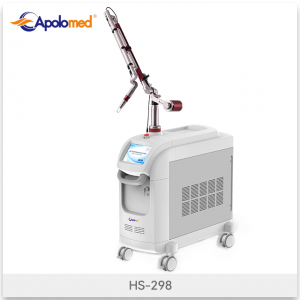
Ultra-short Pulse Duration
The picosecond nd:yag laser uses extremely short pulses of energy. Each pulse lasts only 350 to 750 picoseconds. This is much shorter than the pulses from traditional lasers, which last several nanoseconds. The short pulse duration means the laser delivers energy very quickly. This high peak power helps break up pigment particles in the skin with less heat. The main effect is photoacoustic, not photothermal. This means the laser shatters pigment with sound waves instead of burning it with heat. As a result, the risk of damage to the surrounding skin is lower.
·Picosecond lasers have pulse durations of 450-750 picoseconds.
·Traditional lasers use 5-20 nanoseconds.
·Picosecond lasers create more powerful, focused energy.
·Less heat means less risk of side effects.
Flat-top Beam Profile
The picosecond nd:yag laser from APOLOMED features a flat-top beam profile. This means the energy is spread evenly across the treatment area. The flat-top beam helps deliver consistent results and reduces the chance of hot spots. Patients experience more comfort and fewer side effects. The even energy distribution also improves the safety of treatments on sensitive or darker skin types.
Clinical Applications
Pigmented Lesions
The picosecond nd:yag laser is highly effective for treating pigmented lesions. These include freckles, age spots, and melasma. The pico technology targets pigment deep in the skin and breaks it into tiny particles. The body then removes these particles naturally. Clinical studies show that the picosecond laser clears pigment faster and with fewer sessions than older lasers. There is also less risk of post-inflammatory hyperpigmentation (PIH), especially in darker skin types.
Tattoo Removal
Tattoo removal is another key use for the picosecond nd:yag laser. The dual wavelengths of the APOLOMED HS-298 (1064 nm and 532 nm) allow it to treat a wide range of tattoo colors, including green and blue. The pico pulses break up tattoo ink more efficiently than traditional lasers. Patients often need fewer treatments and experience less pain and downtime.
| Evidence Description | Key Findings |
|---|---|
| Selective removal of tattoos and lesions | Picosecond lasers remove pigment more efficiently and quickly. |
| Efficacy of ps-lasers | Better pigment destruction with less damage to surrounding tissue. |
| Treatment sessions | Fewer sessions needed, especially for stubborn tattoos. |
| Reduced side effects | Less PIH in sensitive skin types. |
Unique Features
Minimal Heat, Less PIH Risk
The picosecond nd:yag laser produces minimal heat. This reduces the risk of PIH, a common side effect in laser treatments. The flat-top beam and ultra-short pulses make the procedure safer for all skin types. Patients with darker skin can benefit from the pico technology without worrying about unwanted pigmentation changes.
Versatility for Complex Cases
The APOLOMED HS-298 stands out for its versatility. It offers dual wavelengths, a user-friendly interface, and an advanced cooling system. The laser can treat complex cases like Nevus of Ota, resistant melasma, and multi-colored tattoos. The unique array lens option also allows for skin revitalization and targeted treatments. The table below highlights how the APOLOMED HS-298 compares to other picosecond nd:yag laser systems:
| Feature | APOLOMED HS-298 | Other Picosecond Nd:YAG Lasers |
|---|---|---|
| Technology | Advanced for efficient pigment removal | Varies |
| Downtime | Minimal | Often higher |
| Dual-wavelength system | Yes | Not always available |
| Laser-Induced Optical Breakdown | Yes | Limited or absent |
| Non-ablative treatment capability | Yes | Typically requires ablative methods |
| Versatility across wavelengths | 532 nm and 1064 nm | May offer fewer options |
| Safety for darker skin types | High due to reduced thermal energy | Varies |
Tip: The pico approach means faster results, less pain, and safer treatments for a wide range of patients.
Traditional Lasers Explained
Q-Switched Nd:YAG Laser
Mechanism & Uses
The q-switched nd:yag laser is a mainstay in pigmentation and tattoo removal. This laser uses a process called selective photothermolysis. The light energy targets pigment in the skin. The pulse duration is in the nanosecond range, which means the energy is delivered very quickly. The q-switched yag laser creates a photoacoustic effect. This effect converts light into mechanical sound waves. These waves break pigment into tiny particles. The body’s immune system then removes these fragments.
| Feature | Description |
|---|---|
| Core Process | The photoacoustic effect converts light into mechanical sound waves. |
| Pulse Duration | The laser operates in nanoseconds, allowing for precise targeting. |
| Energy Action | Generates mechanical shockwaves that break down pigment into smaller pieces. |
| Biological Action | Macrophages help transport the pigment fragments to the lymphatic system. |
| Safety Benefit | Minimal thermal diffusion reduces the risk of skin damage. |
| Key Wavelengths | 1064 nm for dark inks and 532 nm for brighter colors like red and orange. |
The q-switched yag laser emits short, high-intensity pulses. These pulses cause thermomechanical destruction of pigment. The q-switched nd:yag laser is effective for tattoos and pigmented lesions. It works well on dark inks with the 1064 nm wavelength and on red or orange pigments with the 532 nm setting. The q-switched yag laser is also used for some birthmarks and age spots.
Alexandrite & Other Lasers
Wavelengths & Indications
Alexandrite lasers are another type of traditional laser. They operate at a wavelength of 755 nm. The q-switched yag laser uses 1064 nm and 532 nm. Alexandrite lasers are popular for hair removal and pigmented lesions. They can also remove tattoos, but they work best on certain colors and lighter skin types.
| Laser Type | Wavelength (nm) | Clinical Indications |
|---|---|---|
| Alexandrite | 755 | Hair removal, pigmented lesions, tattoo removal |
| Nd:YAG | 1064, 532 | Pigmentary disorders, tattoo removal |
The q-switched yag laser is known for its high efficiency in treating pigmentary disorders. Alexandrite lasers target melanin and are FDA approved for several skin conditions. Both lasers have a long history of use in dermatology.
Limitations
Heat Accumulation
Traditional lasers like the q-switched nd:yag laser and Alexandrite can cause heat buildup in the skin. The q-switched yag laser delivers energy in nanoseconds, but some heat still spreads to surrounding tissue. This can lead to pain, blisters, or pinpoint bleeding, especially in darker skin types. Delayed side effects include hypopigmentation and hyperpigmentation. Reports show that up to 22% of darker skin patients may experience hyperpigmentation after treatment.
Side Effects
The q-switched nd:yag laser and Alexandrite lasers have some risks. Allergic reactions can occur, especially with red and yellow tattoo pigments. Patients may develop itchy bumps or even systemic reactions. Paradoxical darkening of tattoos sometimes happens, especially with light-colored inks. Scarring is another concern, as the q-switched yag laser can alter skin texture. These lasers also show inconsistent results for complex pigmentation cases like melasma. The 532 nm wavelength of the q-switched yag laser can increase the risk of hyperpigmentation in certain skin types, limiting its use.
Note: Traditional lasers remain effective for many indications, but their limitations make them less ideal for complex pigmentation and for patients with darker skin.
Treatment of Pigmented Lesions: Picosecond vs Traditional
Efficacy for Pigmented Lesions
Melasma, Freckles, Age Spots
The treatment of pigmented lesions has changed with the introduction of picosecond Nd:YAG lasers. These devices use ultra-short pulses to target pigment in the skin. Clinical studies show that picosecond lasers provide higher improvement rates and better patient satisfaction compared to traditional Q-switched lasers. The table below compares the two technologies for the treatment of pigmented lesions:
| Parameter | Picosecond Nd:YAG Laser | Q-switched Nd:YAG Laser | p-value |
|---|---|---|---|
| Posttreatment pigmentation scores | 2.55 ± 1.11 | 3.82 ± 1.45 | < 0.001 |
| Improvement rate | 56% ± 10% | 38% ± 9% | < 0.001 |
| Side effects | 0.99 ± 0.59 | 2.25 ± 0.78 | < 0.001 |
| Patient satisfaction | 7.96 ± 0.95 | 7.15 ± 1.52 | < 0.001 |
| Erythema indices | Lower in picosecond | Higher in Q-switched | N/A |
| Skin elasticity scores | Higher in picosecond | Lower in Q-switched | N/A |
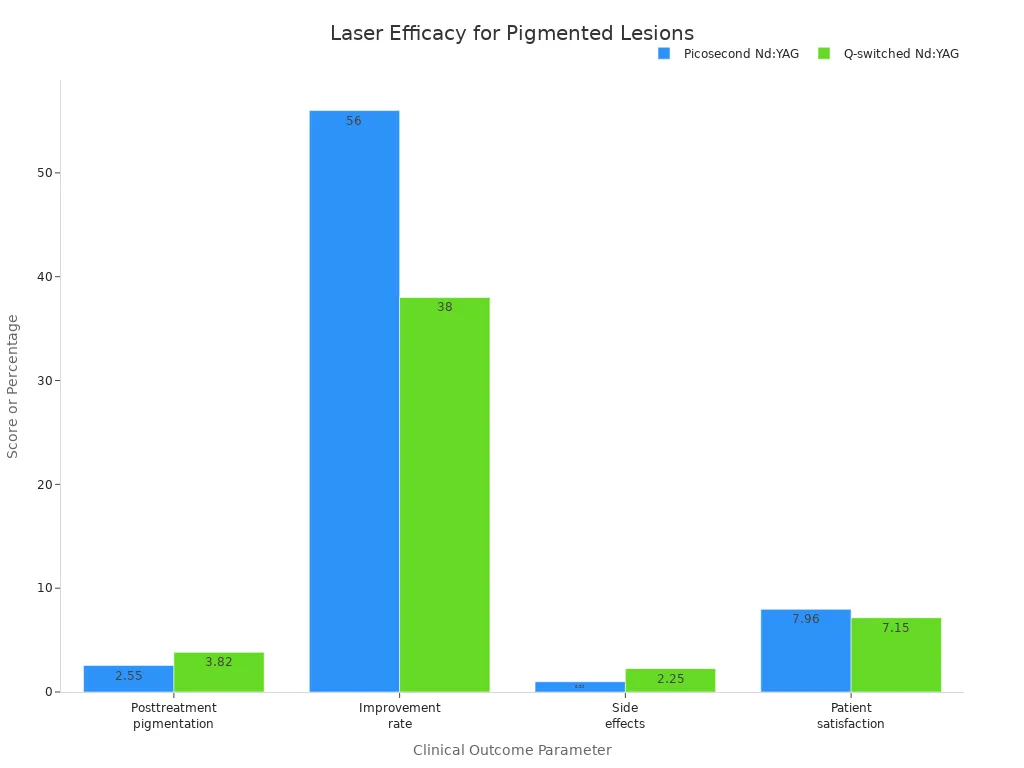
For melasma treatment, the results can vary. Most lasers, including Q-switched and picosecond types, show significant reductions in MASI scores. The 1064 nm picosecond laser improves skin texture and stimulates collagen, which helps with facial photoaging and the treatment of solar lentigines. Freckles and age spots also respond well to the treatment of pigmented lesions with picosecond lasers, showing faster clearance and less discomfort.
Resistant Pigmentation
Some pigmented lesions do not respond to traditional lasers. Picosecond Nd:YAG lasers use a strong mechanical effect to shatter pigment into very fine particles. This leads to faster clearance, especially for stubborn pigmentation. The photoacoustic effect of the picosecond laser reduces heat, making it effective for pigmentation in sensitive or darker skin. Many clinics report that the treatment of pigmented lesions with picosecond lasers works well for cases that failed with Q-switched lasers.
Safety Profile
PIH Risk
Safety is a major concern in the treatment of pigmented lesions. Post-inflammatory hyperpigmentation (PIH) is a common side effect, especially in darker skin. Picosecond Nd:YAG lasers have a lower risk of PIH because they use shorter pulses and less heat. The table below shows the difference in PIH risk:
| Laser Type | Risk of PIH | Mechanism of Action |
|---|---|---|
| Picosecond Nd:YAG | Lower risk | Shorter, higher-peak-power pulses create less thermal injury and inflammation. |
| Traditional Q-switched | Higher risk, especially in darker skin | Aggressive use can trigger PIH due to increased thermal injury and inflammation. |
Proper technique is important for the treatment of pigmented lesions. Working with experienced professionals helps reduce the risk of new pigmentation. The APOLOMED HS-298, with its advanced technology and certifications, supports safe and effective treatments.
Suitability for Darker Skin
The treatment of pigmented lesions in darker skin types requires special care. Picosecond Nd:YAG lasers are more suitable for these patients. They minimize heat transfer and use a photoacoustic effect, which lowers the risk of rebound hyperpigmentation. This makes the treatment of facial melasma and other pigmented lesions safer for Fitzpatrick IV-VI skin types. The APOLOMED HS-298 is trusted for its safety and efficacy in these cases.
| Aspect | Picosecond Nd:YAG Lasers | Traditional Lasers |
|---|---|---|
| Risk of Adverse Effects | Reduced | Higher |
| Recovery Time | Quicker | Slower |
| Incidence of Side Effects | 50% lower | Higher incidence |
| Common Issues | Less redness, swelling | More redness, swelling |
Number of Sessions & Results
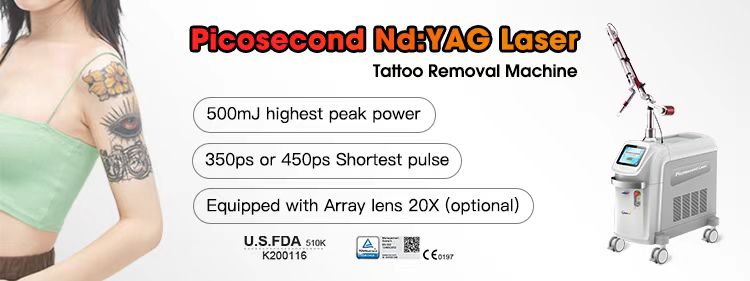
Speed of Clearance
The treatment of pigmented lesions with picosecond lasers often requires fewer sessions than traditional lasers. For example, the 532nm Nd:YAG picosecond laser may clear some lesions in just one session, while other types may need three or more treatments. The speed of clearance depends on the depth and type of pigmentation. Picosecond lasers are effective for pigmentation in both superficial and deeper layers, which improves treatment efficacy and patient satisfaction.
Recurrence Rates
Recurrence rates for pigmented lesions after treatment are similar between picosecond and traditional lasers. At 24 weeks, studies show a 10.5% recurrence rate for picosecond Alexandrite lasers and 0% for Q-switched and long-pulse Nd:YAG lasers. The difference is not significant. Proper aftercare and sun protection help maintain results after the treatment of pigmented lesions.
Tip: Combining laser therapy with other treatments can enhance the efficacy and safety of picosecond laser procedures, especially for melasma and facial photoaging.
The APOLOMED HS-298 stands out for its advanced features, dual wavelengths, and certifications (ISO 13485, SGS ROHS, CE 0197, US FDA). It delivers high safety and efficacy for the treatment of pigmented lesions, melasma, and facial photoaging, making it a top choice for clinics focused on patient outcomes.
Tattoo Removal: Picosecond Laser vs Q-Switched
Efficacy for Tattoo Colors
Green, Blue, and Complex Colors
Tattoo removal often presents challenges when dealing with green, blue, and multi-colored tattoos. Picosecond Nd:YAG lasers, such as the APOLOMED HS-298, use dual wavelengths (1064nm and 532nm) to target a wider range of ink colors. The ultra-short pulse duration creates a strong photoacoustic effect, breaking down ink particles more efficiently. This technology improves clearance of stubborn colors like green and sky blue, which are difficult for traditional Q-Switched lasers.
Clinics report that picosecond lasers achieve faster and more complete removal of complex tattoos. The APOLOMED HS-298 stands out for its ability to treat both deep and superficial pigments, making it suitable for tattoos with multiple colors.
Black and Dark Pigments
Black and dark pigments respond well to both picosecond and Q-Switched lasers. However, picosecond lasers deliver higher peak power, resulting in finer fragmentation of ink. This leads to improved clearance and less risk of scarring. The table below compares the response of both lasers to various tattoo colors:
| Tattoo Color | Picosecond Laser Response | Q-Switched Laser Response |
|---|---|---|
| White Tattoos | Poor | Poor |
| Flesh-colored Tattoos | Fair to Good | Fair to Good |
| Brown Tattoos | Good to Excellent | Good to Excellent |
Studies show that picosecond lasers are significantly more effective for flesh-colored tattoos and cause less paradoxical darkening compared to Q-Switched lasers.
Patient Experience
Pain Levels
Pain is a common concern during tattoo removal. Picosecond Nd:YAG lasers produce lower pain levels compared to Q-Switched lasers. The shorter pulse duration reduces heat buildup, making treatments more comfortable. Patients report less discomfort and fewer side effects with picosecond technology.
| Laser Type | Pain Levels | Effectiveness in Tattoo Clearance |
|---|---|---|
| Picosecond Nd:YAG | Lower | Higher |
| Q-Switched | Higher | Moderate |
The APOLOMED HS-298 features an advanced air cooling system and flat-top beam profile, which further enhance patient comfort during tattoo removal sessions.
Downtime & Healing
Tattoo removal with picosecond lasers usually results in minimal downtime. Patients can return to daily activities soon after treatment. The healing process takes a few weeks, and proper aftercare helps reduce complications. Q-Switched Nd:YAG lasers also offer quick recovery, but picosecond lasers often provide faster healing due to reduced thermal damage.
Tip: Following aftercare instructions is essential for optimal healing and results after tattoo removal.
Sessions Needed
Speed & Efficiency
Picosecond Nd:YAG lasers operate with pulse durations in trillionths of a second. This creates a photoacoustic effect that pulverizes ink into finer particles. The immune system clears these particles more easily than the larger fragments produced by Q-Switched lasers. As a result, picosecond lasers often require fewer treatment sessions and provide quicker recovery times.
| Laser Type | Sessions Required | Mean Clearance (%) | Source |
|---|---|---|---|
| Picosecond Nd:YAG | 2 | 61 ± 24.6 | Park et al. 2021 |
| Q-Switched | 6-8 | 86.6 | Park et al. 2021 |
The APOLOMED HS-298 offers dual wavelengths, a user-friendly interface, and an articulated arm for precise targeting. These features make tattoo removal more efficient and comfortable for patients.
Note: Picosecond lasers are ideal for clinics seeking faster, safer, and more effective tattoo removal solutions.
Suitability & Cost Considerations
Skin Types & Indications
Fitzpatrick I-VI
Picosecond 532 nm nd:yag laser technology has changed how clinics treat different skin types. It works well for all Fitzpatrick skin types, from I to VI. Many doctors choose this laser for patients with darker skin because it lowers the risk of post-inflammatory hyperpigmentation. Traditional lasers, which use more heat, can cause rebound pigmentation in these patients. The picosecond 532 nm nd:yag laser also clears tattoos faster and with less damage to the skin.
·Picosecond Nd:YAG lasers are safe for melasma in darker skin.
·They reduce the chance of unwanted pigmentation after treatment.
·Traditional lasers may not be as safe for Fitzpatrick IV–VI.
Special Cases (Nevus of Ota, Melasma)
Some skin conditions need special care. Nevus of Ota and melasma are examples. The picosecond 532 nm nd:yag laser shows strong therapeutic efficacy for these cases. Studies show that this laser clears dermal pigmented lesions better than Q-switched lasers. It also leads to fewer side effects, such as post-inflammatory hyperpigmentation. The 1064 nm setting is especially good for melasma, reducing the Melasma Area and Severity Index without causing new problems.
| Study Type | Laser Type | Pulse Duration | Findings |
|---|---|---|---|
| Prospective, split-face, randomized study | 1064-nm picosecond Nd:YAG | 750 ps | More effective for dermal pigmented lesions than Q-switched |
| Prospective, split-face, self-controlled | Picosecond alexandrite | 750 ps | Better outcomes, lower PIH than Q-switched alexandrite |
Cost & Accessibility
Treatment Pricing
The cost of laser treatments can vary. Picosecond Nd:YAG laser sessions usually cost more than traditional Q-switched laser sessions. One session with a picosecond laser can range from $250 to over $1,000, depending on the area treated. Traditional lasers cost less per session but often require more visits to reach the same results. Over time, the total cost may be similar because picosecond lasers need fewer sessions due to higher therapeutic efficacy and clinical effectiveness.
·Picosecond laser: Higher price per session, fewer sessions needed.
·Traditional laser: Lower price per session, more sessions required.
Clinic Availability
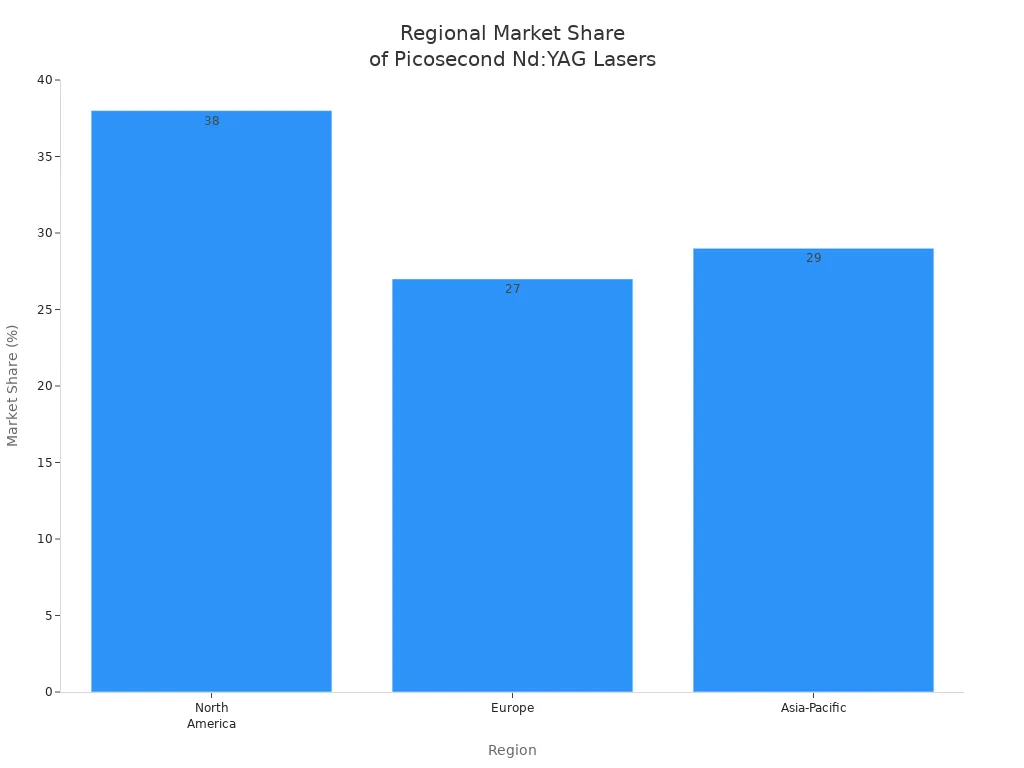
Picosecond Nd:YAG lasers are now found in many clinics worldwide. North America leads, with over 65% of dermatology clinics using this technology. Europe and Asia-Pacific also show high adoption rates, especially for skin rejuvenation and pigmentation disorders. The demand for these lasers grows as more people seek safe and effective treatments.
| Region | Market Share | Key Insights |
|---|---|---|
| North America | 38% | Over 65% of dermatology clinics use picosecond lasers. |
| Europe | 27% | 9,000+ clinics; high demand for skin rejuvenation. |
| Asia-Pacific | 29% | High prevalence of pigmentation disorders; medical tourism. |
| Middle East & Africa | N/A | Growing demand for advanced laser treatments. |
Why Choose APOLOMED
Certifications & Trust
APOLOMED HS-298 stands out for its trusted certifications and proven results. It holds ISO 13485, SGS ROHS, CE 0197, and US FDA approvals. These certifications cover tattoo removal, skin revitalization, and the treatment of pigmented lesions like freckles, age spots, Nevus of Ota, and melasma.
| Certification | Clinical Applications |
|---|---|
| ISO 13485 | Tattoo removal (including green color) |
| SGS ROHS | Skin revitalization, photo-rejuvenation |
| CE 0197 | Removal of pigmented lesions (freckles, age spots) |
| US FDA | Nevus of Ota, melasma |
Advanced Features
The APOLOMED HS-298 uses advanced technology for better patient outcomes. It offers dual wavelengths, a flat-top beam profile, and a user-friendly interface. The unique array lens supports fractional nd:yag laser treatments, which help with collagen stimulation and skin rejuvenation. Clinics choose APOLOMED for its high therapeutic efficacy, safety, and clinical effectiveness. Patients see faster results with less downtime, making it a top choice for modern practices.
Choosing APOLOMED HS-298 means investing in reliable technology that delivers excellent results for a wide range of skin concerns.
Summary Table: Picosecond vs Traditional Lasers
| Feature | Picosecond Nd:YAG Laser | Traditional Lasers (Q-Switched, Alexandrite) |
|---|---|---|
| Efficacy | High clearance, fewer sessions | Moderate clearance, more sessions |
| Safety | Lower risk of PIH, less heat | Higher risk of PIH, more heat |
| Patient Experience | Less pain, minimal downtime | More discomfort, longer recovery |
Efficacy
Picosecond Nd:YAG lasers show high efficacy for both pigmentation and tattoo removal. These lasers use ultra-short pulses to break pigment into tiny particles. The body removes these particles more easily. Most patients see faster results and need fewer sessions compared to traditional lasers.
·Picosecond lasers clear stubborn tattoos and resistant pigmentation.
·Clinical studies report higher improvement rates for melasma, freckles, and age spots.
·Dual wavelengths in devices like the APOLOMED HS-298 allow treatment of a wide range of colors.
Traditional lasers, such as Q-Switched and Alexandrite, also remove pigment but often require more sessions. Some colors, like green and blue, are harder to treat with these lasers. Results may be slower, especially for complex or deep pigmentation.
Tip: Picosecond lasers are ideal for clinics that want fast, reliable results for a variety of pigment concerns.
Safety
Safety is a key advantage of picosecond technology. These lasers produce less heat, which lowers the risk of side effects like post-inflammatory hyperpigmentation (PIH). The flat-top beam profile and short pulse duration protect the surrounding skin. This makes picosecond lasers safer for darker skin types.
·Lower risk of burns, blisters, and unwanted pigmentation changes.
·Suitable for Fitzpatrick I-VI skin types.
·Advanced cooling systems, like those in the APOLOMED HS-298, add extra comfort and safety.
Traditional lasers can cause more heat buildup. This increases the chance of redness, swelling, and PIH, especially in patients with darker skin. Careful technique is needed to avoid complications.
Patient Experience
Patients often prefer picosecond laser treatments. These sessions are usually less painful because the laser works quickly and does not overheat the skin. Most people report only mild discomfort. Recovery time is short, and normal activities can resume soon after treatment.
·Minimal downtime means less disruption to daily life.
·Advanced features, such as air cooling and user-friendly interfaces, improve comfort.
·Fewer sessions reduce overall inconvenience.
Traditional lasers may cause more discomfort during and after treatment. Healing can take longer, and there may be more redness or swelling.
Patients appreciate the comfort and speed of picosecond laser procedures.
Suitability
Choosing the right laser depends on the patient’s skin type, the condition being treated, and the desired results. Picosecond Nd:YAG lasers and traditional lasers each have their strengths. The table below shows how they compare for different needs:
| Factor | Picosecond Nd:YAG Laser | Traditional Lasers (Q-Switched, Alexandrite) |
|---|---|---|
| Skin Types | Safe for all (I-VI) | Best for lighter skin (I-III) |
| Resistant Pigmentation | Very effective | Less effective |
| Multi-colored Tattoos | Excellent, especially with dual wavelengths | Moderate to good |
| Melasma & Nevus of Ota | High efficacy, low PIH risk | Moderate efficacy, higher PIH risk |
| Facial Rejuvenation | Yes, with special lens options | Limited |
Picosecond Nd:YAG lasers work well for all Fitzpatrick skin types. They are a top choice for patients with darker skin because they lower the risk of post-inflammatory hyperpigmentation (PIH). These lasers also treat stubborn pigmentation and complex tattoos better than traditional options.
Traditional Q-Switched and Alexandrite lasers are reliable for many common pigment issues. They work best for lighter skin and simple tattoos. Some conditions, like melasma or Nevus of Ota, may not respond as well to these lasers.
Tip: For patients with darker skin or resistant pigmentation, picosecond lasers offer safer and more predictable results.
Doctors often choose picosecond lasers for patients who want faster results and less downtime. The advanced features of devices like the APOLOMED HS-298 make them suitable for a wide range of clinical needs. These lasers also support skin revitalization and collagen stimulation, which adds value for patients seeking overall skin improvement.
Cost
Cost is an important factor for both clinics and patients. Picosecond Nd:YAG laser treatments usually cost more per session than traditional laser treatments. However, patients often need fewer sessions to achieve their goals. This can balance out the total cost over time.
| Aspect | Picosecond Nd:YAG Laser | Traditional Lasers |
|---|---|---|
| Price per Session | Higher ($250–$1,000+) | Lower ($100–$500) |
| Sessions Needed | Fewer (2–4) | More (6–10) |
| Total Cost | Similar or slightly higher | Similar or slightly lower |
Patients should consider both the price per session and the number of sessions required. Picosecond lasers may seem more expensive at first, but the reduced number of visits can save time and money in the long run.
Clinic availability is also growing for picosecond lasers. Many modern practices now offer these advanced treatments. Devices like the APOLOMED HS-298 are trusted for their safety, certifications, and clinical results.
Note: Investing in picosecond laser treatments can lead to better outcomes and higher patient satisfaction, making them a smart choice for many clinics and individuals.
Choosing the right laser depends on the desired efficacy for each patient. Picosecond Nd:YAG lasers show high efficacy for pigmented lesions and tattoo removal. Efficacy remains strong for all skin types, including darker tones. Traditional lasers offer efficacy for basic cases but may not match the efficacy of picosecond technology. Efficacy in complex pigmentation and tattoo colors improves with dual wavelengths. Efficacy also means fewer sessions and less downtime. Effectiveness increases when clinics use advanced devices. Consult a qualified professional to discuss efficacy and effectiveness for your needs. Individualized treatment ensures the best efficacy and safety.
For optimal efficacy and effectiveness, consider advanced solutions like the APOLOMED HS-298.
FAQ
What is a picosecond Nd:YAG laser?
A picosecond Nd:YAG laser uses very short pulses of light to break up pigment in the skin. This technology helps remove tattoos and treat skin discoloration with less heat and faster healing.
How does the APOLOMED HS-298 improve patient comfort?
The APOLOMED HS-298 uses a flat-top beam and advanced air cooling. These features reduce pain and make treatments more comfortable for patients.
Is picosecond laser safe for darker skin types?
Yes. Picosecond lasers create less heat, which lowers the risk of side effects like hyperpigmentation. This makes them a safe choice for all skin types, including darker tones.
How many sessions are needed for pigmentation removal?
Most patients need fewer sessions with a picosecond laser compared to traditional lasers. The exact number depends on the type and depth of pigmentation.
Can picosecond lasers remove all tattoo colors?
Picosecond lasers, especially with dual wavelengths, can treat a wide range of tattoo colors. They work well on black, blue, green, and even some stubborn shades.
What are the main side effects of laser treatments?
Common side effects include redness, swelling, and mild discomfort. These usually go away within a few days. Serious side effects are rare when a trained professional performs the treatment.
How do I choose the right laser clinic?
Look for clinics with certified devices, experienced staff, and positive patient reviews. Ask about the technology they use and their experience with your skin type or concern.
Tip: Always follow aftercare instructions for the best results and faster he
Post time: Apr-09-2026


