Many people struggle to choose the best treatment for scars, whether from acne, surgery, or trauma. The right option depends on scar type, skin tone, and personal goals. Scars affect a large number of adults seeking cosmetic solutions, with over 90% experiencing traumatic or surgical scars and nearly 85% dealing with acne scars.
| Type of Scar | Prevalence (%) |
|---|---|
| Traumatic/Surgical | Over 90% |
| Acne | Nearly 85% |
Understanding how treatments like rf fractional laser and microneedling work helps individuals set realistic expectations. New technologies, such as the APOLOMED Erbium Fiber Laser HS-230, offer advanced choices. A dermatologist can guide patients to the most suitable solution.
RF Fractional Laser vs Microneedling for Scars
Key Differences
RF fractional laser and microneedling both aim to improve the appearance of scars, but they use different methods. Understanding these differences helps patients and providers choose the most suitable treatment.
1.Depth of Action: RF microneedling reaches deeper layers of the skin, up to 4–5 mm. This makes it effective for deeper scars. Laser treatments focus on the surface and upper layers of the skin, which works well for shallow scars.
2.Heat Distribution: RF microneedling delivers heat from inside the skin outward. This approach causes less damage to the surface. Laser treatments apply heat from the outside in, which can affect the top layer more.
3.Collagen Stimulation: Both treatments boost collagen production. Laser treatments create controlled injuries on the surface, while RF microneedling stimulates collagen in deeper layers.
The table below summarizes these differences:
| Feature | RF Fractional Laser | Microneedling (RF) |
|---|---|---|
| Depth of Action | Surface to mid-dermis | Deep dermis (up to 4–5 mm) |
| Heat Distribution | Outside-in | Inside-out |
| Collagen Stimulation | Surface-focused | Deep-layer focused |
| Surface Trauma | Moderate | Minimal |
Which Is More Effective?
The effectiveness of each treatment depends on the type and depth of scars, as well as individual skin characteristics. Laser treatments work best for superficial scars, such as shallow atrophic scars, boxcar scars with defined edges, pigmented scars, and surgical scars with surface irregularity. RF microneedling is ideal for deeper scars, including rolling scars, ice-pick scars, and thickened or fibrotic scars. It also suits patients with darker skin tones or those who want less downtime.
Several factors influence the choice of treatment:
·Scar type: Acne, surgical, and traumatic scars respond differently to each method.
·Scar depth: Deeper scars often need more intensive treatments like RF microneedling.
·Skin tone: Darker skin may benefit from RF microneedling to reduce the risk of pigmentation.
·Sensitivity to pigmentation: Patients prone to dark spots may need lower-intensity laser treatments.
·Downtime tolerance: Those who prefer a quick recovery may choose microneedling.
·Previous treatments: Past procedures can affect how the skin responds to new treatments.
·Skin thickness: Thicker skin may require more aggressive approaches.
·Budget considerations: The cost and number of sessions can influence the decision.
Tip: No single treatment works best for every person. A dermatologist can help match the right method to the scar type, skin tone, and personal goals.
Both laser treatments and microneedling offer proven results for scars. The best choice depends on the unique needs of each patient.
How RF Fractional Laser Works
Technology Overview
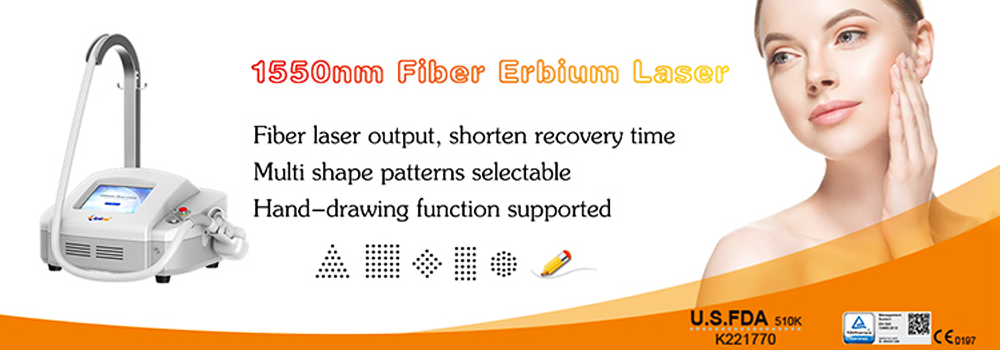
RF fractional laser uses advanced technology to treat scars. The APOLOMED Erbium Fiber Laser HS-230 stands out as a modern device. This laser operates at a 1550nm wavelength, which targets water in the skin. The device delivers thermal pulses deep into the dermis while keeping the surface layer intact. Practitioners can adjust the power and density, allowing for personalized treatments. The HS-230 features a random operate mode, which cools treated areas and improves patient comfort during the procedure. The air cooling system and touch screen interface make the process efficient and user-friendly.
Effectiveness for Acne Scar Treatment
RF fractional laser shows strong results for acne scars. Studies report significant improvement after three sessions. Patients experience minimal pain and downtime, making this procedure a safe option. The laser excels at resurfacing and smoothing skin texture. It works well for atrophic and boxcar acne scars. Some research compares fractional bipolar radiofrequency and erbium-doped glass lasers, finding similar effectiveness for acne scar treatment. The 1550-nm Er:Glass fractional laser often outperforms radiofrequency microneedle devices for scar improvement. The risk of post-inflammatory hyperpigmentation remains lower than with conventional ablative lasers, especially for lighter skin tones.
| Study Source | Findings | Safety Profile |
|---|---|---|
| Journal of Cosmetic Dermatology | Significant improvement in acne scars after three sessions | Minimal pain and downtime, safe option for treatment |
Pros and Cons
RF fractional laser offers several benefits for treating scars:
·Customizable settings allow for precise treatment.
·Reduced downtime and discomfort compared to traditional lasers.
·Lower risk of pigmentation issues, especially with non-ablative systems.
·Effective for resurfacing and smoothing acne scars.
Patients may experience mild side effects, such as transient redness, swelling, or mild discomfort. These symptoms usually resolve within a few days.
| Side Effects | Description |
|---|---|
| Transient Redness | Resolves within a few days |
| Swelling | Resolves within a few days |
| Mild Discomfort | Resolves within a few days |
Note: Individuals with darker skin tones may have a higher baseline risk of post-inflammatory hyperpigmentation after any skin procedure. Practitioners should assess skin type before recommending RF fractional laser.
How Microneedling Treats Scars
Microneedling for Acne Scars
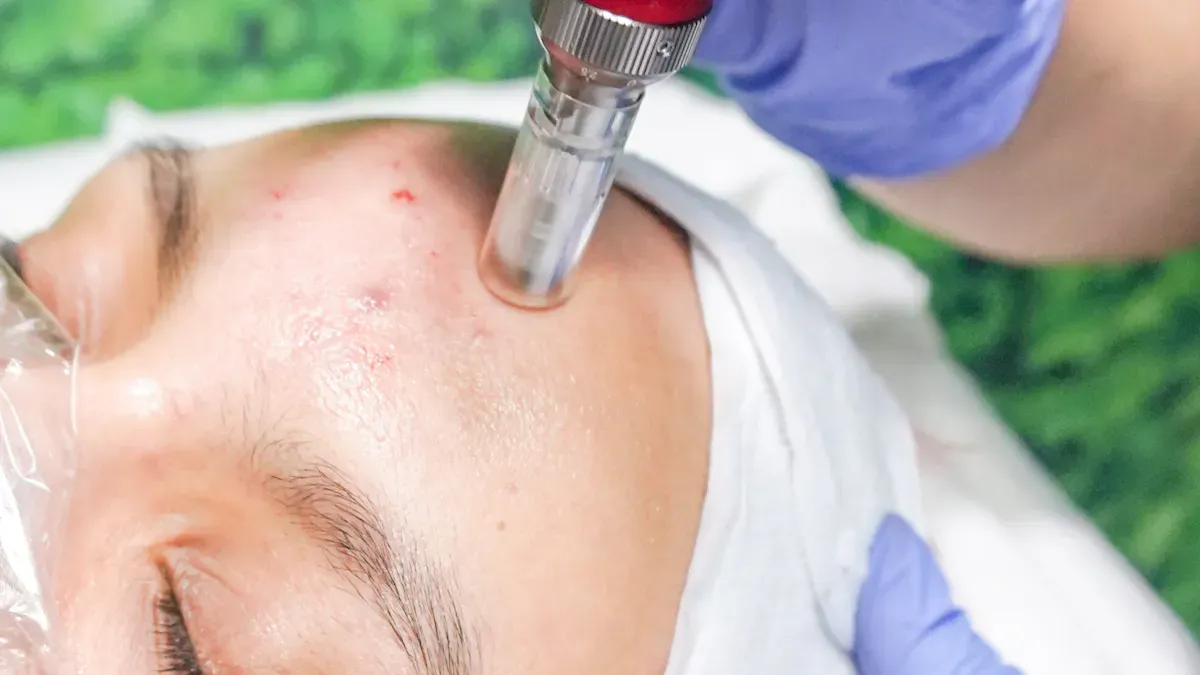
Microneedling uses fine needles to create tiny punctures in the skin. These micro-channels trigger the body’s natural healing process. The treatment works well for acne scars, especially atrophic types. Many dermatologists recommend microneedling for acne scars because it helps the skin rebuild lost collagen. The process involves several steps:
1.The device creates micro-channels in the dermis.
2.These channels release growth factors.
3.Growth factors activate fibroblasts, which produce new collagen.
4.Collagen types I, III, and VII increase, improving the skin’s structure.
5.Over time, the new collagen fills in scars and smooths the skin.
Microneedling is particularly effective for atrophic (depressed) scars, which are indentations left from a lack of collagen during healing. It stimulates your skin’s natural healing process, encouraging new collagen growth that fills in scars from within.
Results and Limitations
Microneedling provides good or excellent results for many people with acne scars. Most patients see smoother skin and less visible scars after a few sessions. The recovery time is short, usually two to five days of mild redness. The treatment works for all skin tones and has a low risk of complications. Studies show that microneedling offers better results for acne scars than chemical peels and is safer than laser treatments for darker skin types.
However, microneedling does not work for every scar type. It is not suitable for raised or keloid scars. In some cases, it could make these scars worse.
Microneedling is not suitable for raised (hypertrophic) or keloid scars, as it could worsen them.
Pros and Cons
Microneedling offers several advantages for treating scars:
·Natural-looking improvement in skin quality and texture
·Minimal downtime, making it convenient for busy individuals
·Mild and temporary side effects, such as redness and swelling
·Low risk of infection when performed correctly
·Effective and minimally invasive for acne scarring
·Safer for all skin types, including darker tones
Some limitations include the need for multiple sessions and less effectiveness for deep or raised scars. RF microneedling can reach deeper layers, making it more effective for certain types of scars. Overall, microneedling remains a popular choice for those seeking smoother skin with minimal risk.
Comparing Downtime, Pain, and Safety
Recovery Time
Recovery time plays a major role when choosing between RF fractional laser and microneedling for treating scars. Most people who undergo RF microneedling can return to normal activities within 24 hours. The skin may look slightly red or feel sensitive, but these effects fade quickly. In contrast, combining microneedling with fractional CO₂ laser often leads to a longer recovery. Patients may need up to one week before the skin fully heals. This difference in downtime can influence the decision for those with busy schedules or social commitments.
·RF microneedling: minimal downtime, most resume activities in 24 hours
·Microneedling + fractional CO₂ laser: average downtime of one week
Quick recovery allows many to fit scar treatments into their routine without major disruption.
Pain and Comfort
Comfort during treatment matters for anyone considering procedures for scars. Patients describe the sensation of RF fractional laser as a warm prickling or gentle pressure, not sharp pain. Most rate discomfort at about 3 to 4 out of 10, especially in sensitive areas. The RF energy targets below the skin surface, which helps reduce pain. Numbing cream further increases comfort.
RF microneedling feels similar, with most people reporting manageable discomfort. The sensation combines warmth and pressure. Some find the combination of pokes and heat more intense than traditional microneedling, but providers can adjust settings for comfort. Those who tolerate regular microneedling usually handle RF microneedling well.
| Treatment Type | Sensation | Discomfort Level (1-10) |
|---|---|---|
| RF Fractional Laser | Warm prickling/pressure | 3-4 |
| RF Microneedling | Warmth, pressure, pokes | 3-4 |
Side Effects and Risks
Both RF fractional laser and microneedling offer safe options for improving scars, but some risks exist. Common side effects include redness, swelling, and minor discomfort. These usually resolve within a few days. Less common risks involve infection, scarring, changes in skin color, burns, blisters, or excessive bleeding. Rarely, people may experience persistent needle marks, skin lumps, or facial fat loss.
1.Skin infection
2.Acne flare
3.Cold sore reactivation
4.Persistent needle marks
5.Post-inflammatory hyperpigmentation
6.Skin lumps
7.Burns or blisters
8.Scarring or excessive bleeding
9.Worsening of the skin problem
10.Unsatisfactory result
Choosing an experienced provider reduces the risk of complications and helps ensure the best outcome for scars.
Best Treatment by Scar Type and Skin Tone
Acne Scars
Dermatologists often see patients with acne scars seeking smoother skin. The best treatment depends on the scar’s shape and depth. Current dermatology guidelines recommend a personalized approach for atrophic acne scars. Ablative fractional lasers, such as CO2 and Er:YAG, show high effectiveness for deep scars but may increase the risk of pigmentation changes, especially in people with darker skin. Non-ablative lasers and radiofrequency devices offer a safer option for milder acne scars. Many specialists combine treatments like TCA CROSS with microneedling or energy-based devices to boost collagen and improve results. Early intervention can also help, even for those using isotretinoin. These strategies help reduce the appearance of scars while maintaining safety.
Surgical and Other Scars
Surgical scars and other types, such as traumatic scars, respond differently to treatments. Fractional lasers work well for surface irregularities and discoloration. Microneedling can help soften and flatten scars by stimulating new collagen. For thick or raised scars, doctors may suggest additional therapies, including steroid injections or silicone sheets. The choice of treatment depends on the scar’s age, location, and thickness. Providers always consider safety and the patient’s healing response before starting any procedure.
Darker Skin Tones
People with darker skin tones often worry about pigmentation changes after scar treatments. Both RF fractional laser and microneedling offer good safety profiles for these patients.
·RF microneedling is well-tolerated by those with darker skin.
·The safety profile is favorable, with low risk of serious side effects.
·Most experience only mild redness, swelling, or discomfort, which fades in a few days.
·Providers choose settings that protect the skin and reduce complications.
Dermatologists select treatments that balance results and safety, helping all patients achieve smoother skin with fewer risks. The right approach improves scars while protecting skin health.
What to Expect from Each Treatment
Treatment Experience
Patients often wonder what happens during a session for treating scars. Most describe a warm, prickling sensation as the device moves across the skin. After the procedure, the skin usually looks red and feels like a mild sunburn. This redness and slight swelling are most noticeable on the first day. By the second or third day, these effects fade. Some people notice their skin feels dry or flaky between days four and seven. These sensations are normal and show that the skin is healing. Most return to daily routines quickly, as downtime remains minimal.
Results Timeline
Visible results do not appear overnight. Initial improvements in the appearance of scars often become noticeable within two to four weeks. Many see smoother skin and less depth in their scars by weeks three to six. The skin continues to remodel, and the best results develop over three to six months. Full results take time because collagen needs several months to mature. Patients should expect gradual changes rather than instant transformation. Consistency with follow-up sessions helps maximize results and ensures the best outcome for scars.
Aftercare Tips
Proper aftercare supports healing and enhances results. The table below outlines key steps:
| Time Frame | Aftercare Steps |
|---|---|
| First 24 hours | Avoid makeup, strenuous workouts, and direct sun exposure. |
| First 48-72 hours | Use a gentle cleanser, avoid makeup, and sleep on a clean pillowcase. |
| Skincare Products | Apply soothing ingredients like hyaluronic acid; avoid retinoids, vitamin C, and exfoliating acids. |
| Sun Protection | Use broad-spectrum sunscreen SPF 30+ daily, reapply every two hours, and wear a hat. |
Patients should keep the skin clean and moisturized, avoid picking at peeling skin, and stay away from saunas or heavy exercise for 48 hours. Sun protection remains essential to prevent darkening of scars and to maintain results. Following these tips helps the skin heal and supports the best possible results from each treatment.
Choosing the Right Option
Factors to Consider
Selecting the best treatment for scars involves several important factors. Each person’s skin and scar pattern is unique. The type, depth, and age of scars play a major role in determining the most effective solutions. Some people have superficial and deep scars at the same time. Others may have only one type. Skin tone, sensitivity, and previous treatments also influence the decision. Cost, recovery time, and comfort level matter to many patients. Those who want a minimally invasive procedure often prefer options with less downtime and fewer side effects.
Patients should think about their goals and expectations before starting any treatment. A clear understanding helps them choose the right path for smoother skin.
Dermatologist Advice
Dermatologists use a careful process to guide patients with scars. They start by identifying the specific types of scars present. This step is important because different scars need different approaches. For example, ice pick scars require a different method than boxcar scars. After assessment, dermatologists create a customized plan based on scar type and skin characteristics. They often recommend a comprehensive approach for the best results.
·Assessment by a specialist helps determine scar types.
·Treatment plans are tailored to the patient’s needs.
·Multiple methods may be used for optimal improvement.
A specialist’s guidance ensures safety and increases the chance of success.
Combination Therapy
Many patients benefit from a combination of treatments. Studies show that using both RF fractional laser and microneedling can improve results for atrophic and hypertrophic scars. In some cases, RF microneedling loosens deep scars, while laser resurfacing smooths the surface. This approach creates a more natural look and feel. Research finds that in most studies, laser and microneedling work equally well, but combining them often leads to better outcomes. Dermatologists may suggest this method for those with mixed scar types or stubborn scars.
Combination therapy offers a flexible and powerful way to address scars, giving patients more options for effective solutions.
Clinical studies show that both RF fractional laser and microneedling deliver strong outcomes for scar treatment. The table below highlights key findings:
| Finding | Details |
|---|---|
| Efficacy | Both methods show acceptable results for scar treatment, with 60% of studies noting no significant difference. |
| Improvement Rates | 70% improvement in 20% of laser studies; 90% improvement in 20% of microneedling studies. |
| Side Effects | Pigmentation was the most common side effect, lasting longer in laser-treated scar patients. |
| Atrophic Scars | 62.5% of studies found no significant difference for atrophic scar improvement. |
| Hypertrophic Scars | Some studies showed significant improvement with microneedling for hypertrophic scar cases. |
| Overall Effectiveness | Both methods are efficient and safe for scar management. |
The ideal approach depends on scar type, skin tone, and personal goals. Dermatologists recommend customizing treatment plans and considering advanced options like the APOLOMED Erbium Fiber Laser HS-230 for transformative results. Next steps include:
·Schedule a consultation with a qualified provider.
·Adjust skincare routines before and after scar procedures.
·Protect skin from sun exposure and follow aftercare instructions.
Everyone deserves smoother, more confident skin. With the right plan, anyone can achieve visible improvement in scar appearance.
FAQ
How many sessions are needed for visible scar improvement?
Most patients see results after three to five sessions. The number depends on scar type and severity. Dermatologists adjust treatment plans based on individual progress.
Is RF fractional laser safe for darker skin tones?
RF fractional laser offers a low risk of pigmentation for darker skin. Providers select settings that protect skin health. Patients should consult a dermatologist for personalized advice.
Can microneedling treat all types of scars?
Microneedling works best for atrophic scars. It does not suit raised or keloid scars. Dermatologists recommend alternative treatments for those scar types.
What is the typical downtime after treatment?
Patients usually experience mild redness and swelling for one to three days. Most return to daily activities quickly. Recovery time varies by treatment and skin sensitivity.
Are results permanent?
Results last for months or years. Maintenance sessions may help preserve improvements. Scar appearance can change with age or new skin injuries.
Post time: May-15-2026


